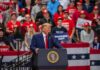
The Trump administration has moved to narrow federal childhood vaccine recommendations after President Trump ordered a review of the schedule in May.
Quick Take
- President Trump signed Executive Order 14407 on May 29, 2026, and it was published in the Federal Register on June 3.
- The order directs the Centers for Disease Control and Prevention and its Advisory Committee on Immunization Practices to review the schedule and update it where permitted by law.
- The order calls for maximum flexibility in the timing and sequencing of routine childhood immunizations.
- The order also ties federal action to parental authority, religious freedom, disability accommodations, and equal protection.
Trump Orders Review Of Childhood Vaccine Schedule
The White House said President Trump signed Executive Order 14407, titled “Realigning United States Core Childhood Vaccine Recommendations With Best Practices From Peer, Developed Countries.” The order directs federal policy toward what it describes as scientific evidence and practices in peer-developed countries while preserving access to vaccines currently available in the United States. It also emphasizes parental authority and maximum flexibility for parents and doctors.
The order directs the Centers for Disease Control and Prevention and the Advisory Committee on Immunization Practices to review a Department of Health and Human Services scientific assessment and the latest clinical data. It says they should take appropriate steps to update the childhood and adolescent vaccine schedule to the extent the law allows. The same order says the review should consider maximum flexibility for parents and doctors in the timing and sequencing of routine immunizations.
What The Order Set In Motion
The administration later moved beyond the initial review. On August 10, it announced a narrower childhood vaccine framework and said it wanted the combined measles, mumps and rubella vaccine separated into individual shots. The change goes beyond the May executive order’s initial directive to review the schedule. The order also says immunizations included in the ACIP schedule should continue to be covered without cost-sharing through private insurance, Medicaid, the Children’s Health Insurance Program and the Vaccines for Children Program. The order therefore focuses on how federal recommendations and coverage are structured rather than eliminating access to vaccines. It is a directive to review, realign, and guide federal policy.
The May order launched the review process, but the administration’s August 10 announcement is the more consequential development because it put forward the revised framework. The strongest fact here is the signing itself, followed by the instruction to agencies to move the review forward.
Why The Order Goes Beyond Vaccines
The order also places parental authority, religious freedom and limits on federal involvement at the center of the policy debate. It directs federal agencies to respect legal protections involving parents, religious freedom, disability accommodations and equal protection.
Trump’s Repeated MMR Vaccine Falsehood
We first wrote about this claim back in September 2025. On Aug. 10, while signing an executive order about vaccines, Trump made the claim again. pic.twitter.com/BUpSotiD9v
— Gianl1974 (@Gianl1974) August 11, 2026
The order also directs the Attorney General to support legal challenges to state laws that conflict with the policies outlined in the order. That gives the initiative implications beyond the federal recommendation schedule and puts state vaccination requirements into the broader legal debate.
What Changed In August
The administration’s August 10 announcement moved the policy from review toward implementation. Reuters reported that the revised framework reduced the number of vaccinations recommended for all children from 17 to 11. Other vaccines were moved into categories for certain high-risk children or shared clinical decision-making.
The administration also backed separating the combined measles, mumps and rubella vaccine into three individual shots. That proposal faces practical hurdles because the individual measles, mumps and rubella vaccines are not currently licensed in the United States. Reuters reported that developing and licensing those products could take years.
What Comes Next
The May executive order began the federal review, while the August 10 announcement established the administration’s revised framework. The next major questions involve how federal agencies implement the changes, how states respond, and how courts handle the legal challenges surrounding federal vaccine policy.
The result is a significant shift in the federal government’s approach to childhood immunization recommendations, but the final impact will depend on agency implementation, state requirements and ongoing litigation.
Sources:
govinfo.gov, trumpwhitehouse.archives.gov, theguardian.com, cnn.com