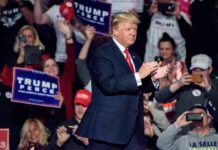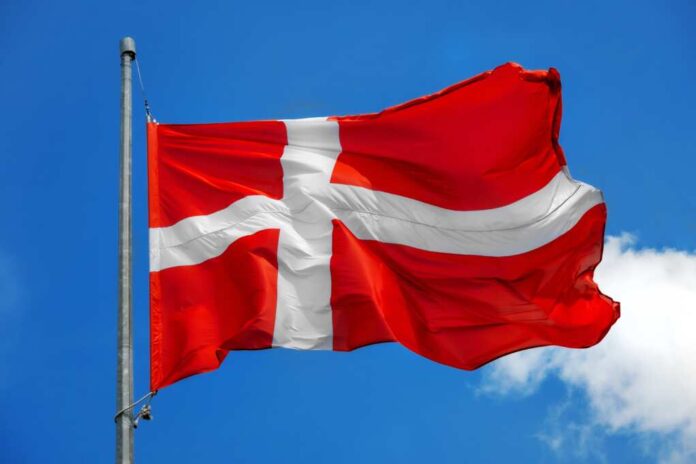
President Trump escalates his Greenland acquisition push by imposing tariffs on eight NATO allies, declaring America’s national security depends on controlling the Arctic territory.
Story Highlights
- Trump announces 10% tariffs on NATO allies effective February 1, escalating to 25% by June unless US acquires Greenland
- Eight countries targeted include Denmark, Norway, Sweden, France, Germany, UK, Netherlands, and Finland for deploying troops to Greenland
- President cites China and Russia threats, claiming Denmark cannot adequately defend the strategic Arctic territory
- Bipartisan Congressional opposition emerges while Supreme Court considers legal challenges to the tariff authority
Trump Takes Bold Action on Arctic Security
President Trump announced sweeping tariffs against eight NATO countries that deployed troops to Greenland, framing the action as essential for global security. The 10% tariffs begin February 1 and will increase to 25% by June 1 unless the United States gains control of the Danish territory. Trump’s Saturday social media announcement declared the “world is not secure” without American control of Greenland, emphasizing threats from China and Russia that Denmark allegedly cannot counter effectively.
The targeted nations—Denmark, Norway, Sweden, France, Germany, United Kingdom, Netherlands, and Finland—recently sent troop contingents to Greenland as part of Danish-led military training exercises. Swedish Prime Minister Ulf Kristersson condemned the tariffs as unacceptable blackmail, while Danish Foreign Minister Lars Løkke Rasmussen expressed shock after what he described as constructive diplomatic talks with Vice President JD Vance and Secretary of State Marco Rubio just days earlier.
Watch:
Strategic Arctic Control Drives Presidential Priority
Trump’s renewed focus on Greenland reflects legitimate concerns about Arctic security as melting ice opens new shipping routes and resource access. The territory’s vast mineral wealth and strategic position make it invaluable for defending against Chinese and Russian expansion in the region. Unlike his 2019 purchase proposal, Trump now backs his demands with economic pressure, demonstrating serious commitment to acquiring what he views as critical American security infrastructure.
The president maintains existing treaty arrangements already provide the United States with Thule Air Base operations in Greenland, yet argues full control is necessary given escalating great power competition. Historical precedent exists for American territorial expansion, including the 1867 Alaska purchase and 1917 Virgin Islands acquisition from Denmark. Trump’s approach signals recognition that traditional diplomatic channels have proven insufficient for addressing modern Arctic security challenges.
Congressional and Legal Opposition Mount
Bipartisan resistance in Congress threatens Trump’s tariff strategy, with Senate Majority Leader Chuck Schumer pledging legislation to block the economic penalties. Legal challenges have reached the Supreme Court, though ruling timelines remain uncertain. Critics argue the tariffs damage essential alliance relationships while potentially aiding Chinese and Russian interests by dividing NATO unity during a critical period.
BREAKING – Trump says ‘world is not secure’ unless US controls Greenland https://t.co/n31hsn6XXL pic.twitter.com/F8TgxxuxhW
— Insider Paper (@TheInsiderPaper) January 19, 2026
Despite domestic opposition, polling shows 67% of Republican voters support Trump’s security-focused approach to Greenland acquisition. The president’s willingness to consider military force alongside economic pressure demonstrates his commitment to protecting American interests against foreign threats. Protests in Greenland’s capital Nuuk reflect local resistance, yet Trump’s supporters recognize that American security requirements must take precedence over foreign territorial claims when global stability is at stake.
Sources:
Trump announces tariffs on NATO allies for opposing US control of Greenland
Trump Greenland residents independence