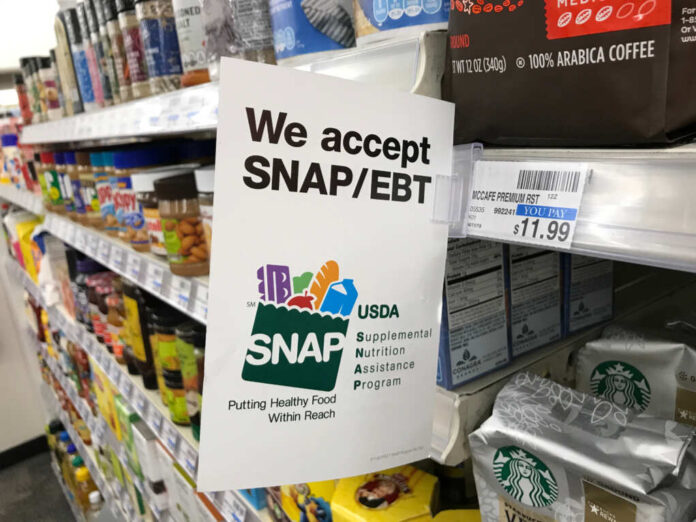
College students in Georgia are facing a crisis as the government shutdown threatens their access to SNAP benefits, leaving many unsure if they can afford groceries while juggling classes and jobs.
Story Snapshot
- Georgia college students depend on SNAP for basic food needs.
- The ongoing government shutdown puts SNAP benefits at risk.
- Students worry about hunger, academic performance, and financial stability.
- Many are forced to choose between food and tuition.
- Advocates warn of long-term consequences if the shutdown continues.
SNAP’s Role in Student Survival
For thousands of college students in Georgia, SNAP is not a luxury but a lifeline. Many work part-time jobs, attend classes, and still struggle to afford groceries. SNAP helps bridge the gap between income and basic needs, allowing students to focus on their education rather than constant hunger. Without these benefits, students face the real possibility of skipping meals or dropping out of school altogether.
SNAP eligibility for college students is limited, but those who qualify often rely on it to avoid food insecurity. The program is designed for low-income individuals, and many students meet the criteria due to low wages and high tuition costs. When the government shuts down, SNAP payments are delayed or suspended, leaving students in limbo.
41 million Americans rely on SNAP. But because Senate Democrats continue to hold the government hostage to their far-left demands, these benefits may dry up starting in November.
Here’s what’s happening across the country:🧵 pic.twitter.com/8jQcM9AV21
— House Committee on Agriculture (@HouseAgGOP) October 21, 2025
Impact of the Government Shutdown
The government shutdown has created uncertainty for SNAP recipients across the country, but college students are especially vulnerable. Many have no family support, live on tight budgets, and cannot afford to wait for benefits to resume. Some students report receiving only partial payments or none at all, forcing them to seek food banks or skip meals. The stress of not knowing when SNAP will return adds to the pressure of academic life.
Students are not only worried about food but also about their ability to stay in school. Hunger affects concentration, energy levels, and overall health, making it harder to succeed academically. Some students have already started cutting back on classes or considering dropping out to focus on full-time work. The shutdown is not just a political issue—it is a direct threat to student well-being and future opportunities.
Broader Implications and Advocacy
Advocates warn that the loss of SNAP benefits could have long-term consequences for Georgia’s college population. Food insecurity is linked to lower graduation rates, increased dropout rates, and higher levels of stress and anxiety. If students cannot access basic nutrition, the entire education system is at risk. Some organizations are calling for emergency funding and expanded eligibility to protect students during shutdowns.
Many students feel ignored by policymakers, who often overlook the unique challenges faced by college populations. While some argue that SNAP should be reserved for the most vulnerable, others point out that college students are among the most at-risk groups. The debate over SNAP eligibility highlights deeper issues about poverty, education, and government responsibility.
Sources:
A Step-by-Step Guide to Writing Compelling Introductions – Wordtune
How to Write an Introduction, With Examples | Grammarly
Introductions | Harvard College Writing Center
How to Write an Intro Paragraph That Hooks: 6 Tried & True Strategies