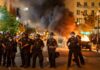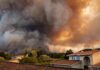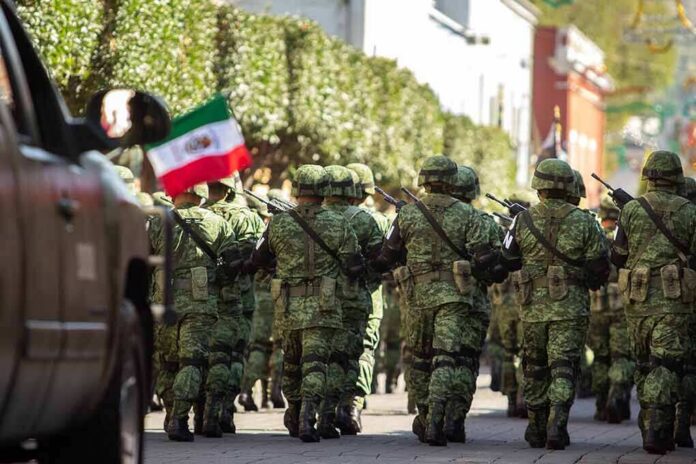
After Mexico’s takedown of “El Mencho,” cartel gunmen blocked roads and killed security forces across roughly 20 states, underscoring how any cross-border fight could spin fast and bloody.
Story Highlights
- Mexico says U.S. intelligence aided the raid that killed CJNG boss “El Mencho,” but no U.S. troops crossed the border.
- Retaliation hit about 20 states with roadblocks, arson, and attacks on security forces, leaving dozens dead.
- Analysts warn cartels avoid direct battles but can escalate violence and even target U.S. interests if strikes continue.
- Mexico rejects U.S. troop deployments, keeping cooperation focused on intelligence and limited operations.
What Set Off The Latest Wave Of Violence
Mexican special operations forces killed Nemesio “El Mencho” Oseguera, the leader of the Jalisco New Generation Cartel. U.S. officials said a new U.S. military-led task force provided intelligence support, while Mexico confirmed the raid was carried out by Mexican troops, not Americans on the ground. The strike triggered sweeping retaliation. Reports described roadblocks, arson, and attacks across roughly 20 states as cartel loyalists struck back at authorities and disrupted daily life.
Mexican authorities and international monitors detailed the scope of the counterattacks. Accounts pointed to narco roadblocks, burned vehicles, and coordinated hits on police and National Guard units. Reuters reported at least 62 deaths linked to the raid and ensuing violence, including 25 members of the National Guard. This pattern fits past episodes in which “high-value target” operations spark short-term surges in violence rather than instant calm, especially in contested regions.
Where U.S.-Mexico Cooperation Stands Now
President Claudia Sheinbaum’s government has praised cooperation with the United States while drawing a clear line: no U.S. combat troops on Mexican soil. The administration has allowed more U.S. surveillance, transferred high-level traffickers to U.S. custody, and coordinated on intelligence, but rejects cross-border deployments. This approach reflects pressure from Washington to hit cartel leadership, paired with Mexico’s insistence on sovereignty and control over operations within its territory.
The United States, under President Trump, has backed tougher steps against cartels and designated several groups as terrorist organizations. Still, public statements and reporting show Washington’s support has focused on intelligence, targeting, and capacity-building rather than confirmed U.S. ground raids in Mexico. That balance aims to disrupt cartel networks without triggering a direct, spiraling fight that neither government can easily contain or explain to its citizens.
Would Cartels “Fight To The Death” Against U.S. Forces?
Cartels have shown they can mount lethal ambushes and broad reprisals against state forces, which alarms both conservatives who want order and liberals who fear escalation. Yet security experts at West Point’s Combating Terrorism Center say cartels are criminal enterprises, not conventional militaries. When attacked, they often avoid set-piece battles, disperse assets, and harden defenses to protect leadership rather than stand and fight. That behavior reduces risk while preserving profits and influence.
Analysts at Brookings warn that repeated U.S. military strikes could push cartels to expand retaliation. That risk includes more attacks on Mexican institutions and, in a worst case, strikes on U.S. citizens or the U.S. homeland. The strategic question is whether direct U.S. combat inside Mexico would deter violence or invite a wider conflict. The latest events suggest a different path has formed: tighter intelligence sharing, Mexican-led raids, and careful efforts to limit blowback while pressuring cartel leadership.
Why This Matters Beyond The Headlines
Americans across the spectrum see a government that struggles to stop fentanyl deaths, border chaos, and cartel firepower. Many also distrust moves that look like mission creep with no endgame. The recent raid shows the system working in one sense—two governments sharing intel to hit a major target—yet the aftermath shows the cost. Families in Mexico faced blockades and fear, while the core trafficking networks remain adaptive and violent.
Policy makers face a blunt tradeoff. Fast, forceful strikes can remove leaders, but they can also ignite short-term carnage and trigger cartel adaptation. Deeper cooperation, clean governance, and pressure on money flows point to slower, steadier gains. Voters want safety without endless escalation. For now, Mexico’s refusal to host U.S. troops, paired with intelligence-driven, Mexican-led action, is the line both sides appear willing to hold.
Sources:
youtube.com, english.elpais.com, reuters.com, crisisgroup.org, bbc.com, foreignpolicy.com, nbcnews.com, ctc.westpoint.edu