Federal planners mapped out round-the-clock work for a 250-foot triumphal arch beside Arlington Memorial Bridge, despite unresolved funding and fierce public opposition.
Story Snapshot
- Design reviews advanced; a federal arts panel and planners cleared key steps.
- The arch would rise 250 feet near Memorial Circle to mark the 250th anniversary.
- National Park Service planning outlined three years of heavy construction.
- Funding, final approval, and lawsuits remain major hurdles.
What Advanced And Where It Stands Now
The U.S. Commission of Fine Arts approved a revised design for the proposed arch in the spring, moving the project through a key federal design gate. The National Capital Planning Commission later approved preliminary site and building plans, keeping the process alive even as critics warned about scale and viewsheds. Officials have not released a final cost or a complete funding plan. Supporters link the project to the nation’s 250th anniversary, but timing for a final go-ahead is still unclear.
The National Park Service produced a preliminary assessment that treated the arch as buildable within a tight window. The plan described construction for up to 20 hours a day, year-round, using cranes up to 320 feet tall. The schedule targeted about three years from start to finish. That operational blueprint signals serious federal planning work. But it does not, by itself, settle open legal, budget, or design disputes that could still derail or reshape the project.
What The Arch Would Be And Why It Divides
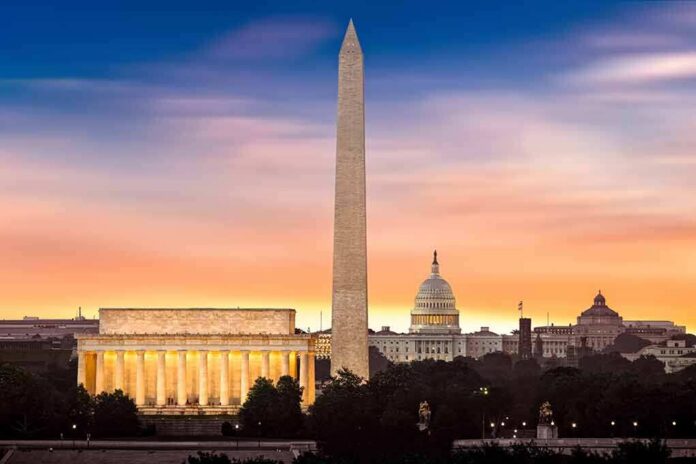
The arch would stand about 250 feet tall on or near Memorial Circle at the Virginia end of Arlington Memorial Bridge. Renderings show a classical form echoing the Arc de Triomphe. The White House framed it as a national monument for the 250th anniversary of independence, not a partisan symbol. Opponents counter that it would be more than twice the height of the Lincoln Memorial and would dominate a protected skyline and historic views across the Potomac River.
Public reaction in the record tilts sharply negative. A federal planning file shows that 99.5 percent of roughly 1,600 public comments opposed the project. The Commission of Fine Arts received about 1,000 comments that staff described as entirely against the plan. Veterans and a historian filed a lawsuit arguing the project needs congressional approval and would disrupt the sightline between Arlington House and the Lincoln Memorial. These threads fuel the view that agencies are pushing past public will.
Unsettled Money, Law, And Process Risks
Reporters say the total cost is still not known and the funding mix remains vague. Officials have floated a blend of public and private money, but no comprehensive package has been disclosed. That gap alarms people across the spectrum who worry about open-ended taxpayer exposure or opaque donor influence. It also feeds a broader frustration that large federal projects move forward without clear financial guardrails or firm accountability.
Is it time for Vets to take a page from the “tree-hugger” playbook, and block the construction site every damn day? If we sit back and rely on the courts, Trump and his GOP collaborators will just ignore the laws and build it anyway.
No to the Arc de Small Potatoes
— Evan Ivan Thomas (@EvanIvanThomas) September 5, 2026
Legal and procedural questions also hang over the site and height. Critics argue federal law requires Congress to approve new commemorative works on federal land, and that the arch would alter a defining view between the Lincoln Memorial and Arlington National Cemetery. Supporters point to stepwise approvals and say agencies are following the rules. For now, design and planning bodies have advanced the file, but final authorization and permits are still not locked down.
Why This Fight Feels Familiar
Washington monument battles often become stand-ins for deeper worries about power and priorities. People on the right and left question whether elites in government and allied institutions listen to public input. Here, planners mapped intense construction and advanced reviews, yet the public comment ledger skewed almost entirely against the project. That mismatch raises trust issues beyond this arch: who decides what reshapes the capital, and whose voice carries when the plans meet the skyline?
Sources:
cbsnews.com, bbc.com, britannica.com, npr.org, theguardian.com, aljazeera.com