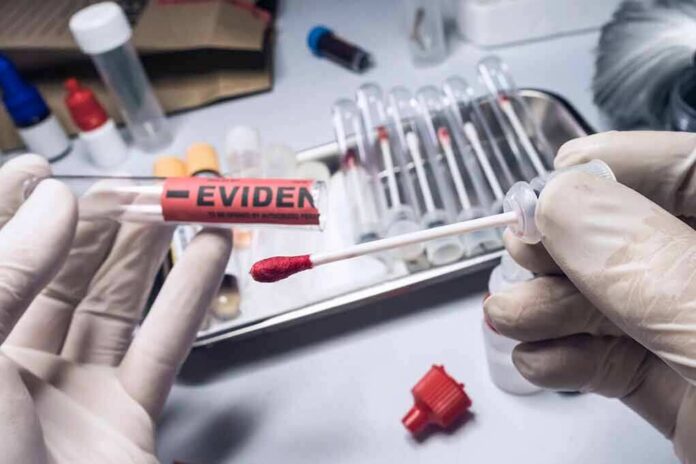
Court filings say both Ole Miss students had the same three compounds in their systems, matching pills found in each room, tightening the focus on a single product line tied to both scenes.
Story Snapshot
- Federal materials report the same three substances in both students’ toxicology results.
- Investigators recovered Smax Mango Breeze pills near both scenes with matching compounds.
- Packaging tied to Smax-branded products appeared in both probes and a related store search.
- Officials earlier warned about kratom-like products but have not confirmed a cause of death.
Shared substances link both cases through toxicology and scene evidence
Federal court materials described in news reports say toxicology for Aiden Hamilton and Robert Strang detected mitragynine, MGM-15, and MGPI in both students. Reporting further states that investigators found Smax Mango Breeze pills near each student, and testing tied those same compounds to the recovered pills. This overlap supports a shared exposure theory. Investigators have not stated that the substances caused either death, only that the same analytes and product line connect the two scenes.
Investigators also documented Smax or Smax Pseudo-DHM packaging in both inquiries. The evidence record described identical or closely similar packaging, listed ingredients, and a price tag seen again during a search of a local vape and convenience retailer linked to the probe. This packaging trail helps map potential supply routes. It also narrows focus to specific branded products, rather than to kratom in general, as officials sort out what was in circulation locally.
What officials say, and what they have not concluded yet
Lafayette County Metro Narcotics said kratom-labeled products were located during both death investigations, and urged the public to avoid kratom. At that time, officials also said no substance had been confirmed as the cause of either death. Separate reports noted that toxicology and autopsy work were pending, and that families would be notified first. The more recent federal filing accounts align with those early statements by focusing on shared analytes and product ties, not on final causation.
This pattern fits how medical examiners and forensic toxicologists work. Toxicology shows what was present, but cause of death depends on much more. Examiners weigh scene facts, autopsy results, drug levels, and possible interactions before ruling on cause and manner of death. That process is careful because detection alone does not settle whether a substance contributed to death or simply coexisted with other factors.
Why mitragynine and “kratom-like” branding complicate the picture
Mitragynine is a primary alkaloid in kratom products. But the market also includes pills labeled as “kratom,” “synthetic kratom,” or blends with other psychoactive additives. Reviews of kratom-associated deaths often find other drugs involved, and some outbreaks abroad traced fatalities to adulterated products that mixed kratom with potent opioids or look-alike compounds. That history is why investigators try to verify ingredients with product testing, not only rely on labels or street names.
Toxicology reports reveal same controlled substances in 2 Ole Miss students found dead: court docshttps://t.co/RgkSAKclId
— BREAKING NEWZ Alert (@MustReadNewz) October 11, 2026
In these Ole Miss cases, the court-described filing names mitragynine along with MGM-15 and MGPI, and ties them to Smax Mango Breeze pills recovered at both scenes. Officials have not publicly released full lab reports with concentrations, methods, or chain-of-custody details. Still, the overlap across the two toxicology screens and the matched pills helps investigators track a likely common source while medical determinations continue.
Public safety stakes and the policy fight over gray-market products
This story highlights a national safety gap. Products sold in gas stations and vape shops can carry psychoactive compounds that do not face the same testing or labeling rules as prescription drugs. Local police and federal prosecutors then have to sort out which items are legal, mislabeled, or dangerous. The Food and Drug Administration has warned that deaths linked to kratom often involve other drugs and uncertain product contents, which can mislead buyers about risk.
Parents, students, and shop owners sit in the middle of these gaps. Families want clear warnings and fast answers. Students want to know what is in the pills on shelves. Small retailers want bright lines on what they can stock. Communities on both the left and right see a pattern they know too well: complex products, weak oversight, and slow, siloed government responses after people die. They want rules that protect the public without waiting for the next tragedy.
What to watch next in the Mississippi investigation
Watch for full medical-examiner findings that state the official causes of death. Look for any lab reports that show measured levels for mitragynine, MGM-15, and MGPI, and whether other substances were present. Follow the federal case for supply-chain details, including lot numbers, invoices, or test results that link store inventory to the scene pills. These documents can confirm whether one batch or distributor connected both cases.
For now, the facts that matter most are firm and narrow: the same three compounds appeared in both students, and they matched pills labeled Smax Mango Breeze recovered in both rooms. That link gives investigators a common trail to follow. It also gives families and students a plain warning about gray-market pills that promise energy or calm without disclosing what they truly contain.
Sources:
foxnews.com, wbtv.com, whmi.com, atlantanewsfirst.com, clarionledger.com, apnews.com, nbcnews.com, newsweek.com