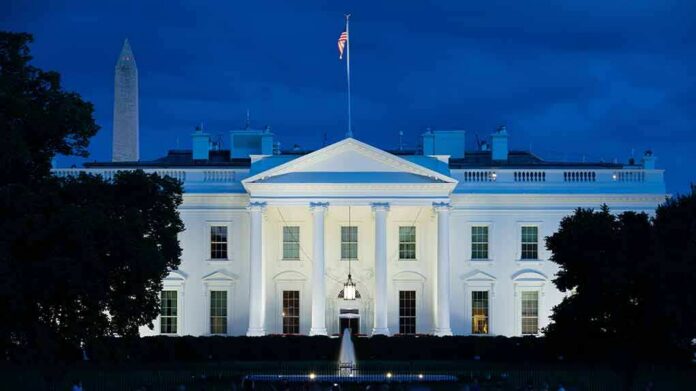
Federal prosecutors say a Tucson man emailed a threat of mass bombings targeting the White House, and agents arrested him the next day.
Story Snapshot
- Prosecutors charged Jacob Aaron Hicks, 46, with making an interstate threat to injure.
- A Sept. 23 email allegedly warned of mass bombings at the White House and in Washington, D.C..
- Authorities say a tip about the email triggered the federal investigation and arrest.
- The case fits a wider rise in federal prosecutions for threats against officials.
What prosecutors say happened
The United States Attorney’s Office for the District of Arizona said Jacob Aaron Hicks, 46, was arrested in Tucson and charged by criminal complaint with making an interstate threat to injure. Prosecutors allege Hicks sent a Sept. 23 email threatening mass bombings at the White House and other locations in Washington, D.C. The office announced the charge and the arrest date in a public release, identifying the case as a federal matter based on the nature of the threat.
Local coverage reported that authorities received a tip about an email to a Tucson television station that contained threats against the White House. That tip led to a federal probe and Hicks’s arrest on the interstate threat charge. Reporters summarized the criminal complaint’s key claim: the email warned of an imminent attack targeting high-profile federal sites in the nation’s capital. Hicks remains charged at this stage, and a complaint is not a conviction.
How the charge fits federal law
Federal law makes it a crime to send threats to injure people or damage property using interstate channels, such as email. In recent appellate guidance, courts have described a “threat” as an expression of intent to unlawfully damage or destroy a building by explosives. Prosecutors do not need a device in hand to bring a threat charge; they must show the message conveyed a real intent to harm, viewed in context. That legal frame underpins the Hicks complaint.
The Department of Justice has also brought similar cases when threats target national symbols or top officials. In those matters, investigators often trace messages, examine headers, and gather witness tips to identify the sender, then move quickly if they believe there is a risk to public safety. The Hicks case tracks that pattern: a reported threat by email, a tip to authorities, and an arrest on a single interstate threat count while evidence is reviewed in court.
Why this case matters beyond Tucson
Threats against public officials and federal sites have climbed in recent years. A review by a national news outlet found 126 people were charged in one year with making threats to federal and top state officials, and the pace stayed high into 2025. Cases span presidents, judges, agents, and lawmakers. That trend shows how online channels make threats easy to send and fast to spread, pulling in federal resources nationwide.
Feds arrest a 46 year old Tucson man after an email threatened to bomb the White House.
Jacob Aaron Hicks is charged with making an interstate threat to injure. He told investigators he loaned his phone to a homeless person. Yeah, sure he did.— Nurse Lioness (@CardioFixer) October 9, 2026
The stakes reach past any one defendant. When someone threatens mass bombings at the White House, agencies must act, even if the threat later proves empty. Quick arrests can prevent harm, but they also raise due process duties, like proving authorship and intent. This balance concerns people across the political spectrum, who want safety without giving the government a blank check. Courts decide that line, case by case, under the law and the evidence presented.
Sources:
foxnews.com, justice.gov, newsnow.com, ground.news, forth.news