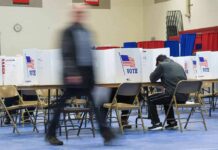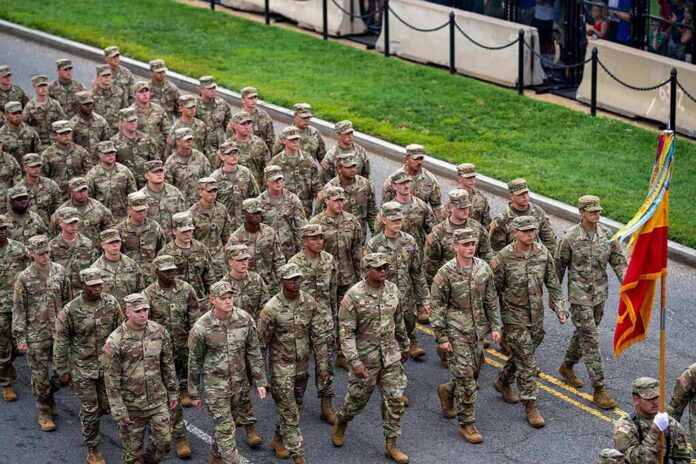
The Pentagon ordered a one-day, military-wide stand-down so every service member gets time to vote, a rare pause that spotlights both access and trust in a tense election season.
Story Snapshot
- Defense Secretary Pete Hegseth directed a one-day stand-down by Oct. 15 for voting access.
- The memo frames all voting help as strictly nonpartisan and bans influence on choices.
- The policy is set to repeat in even-numbered election years going forward.
- Critics question timing and intent; supporters say it removes real barriers to military voting.
What The Order Does And When It Happens
Defense Secretary Pete Hegseth directed commanders to conduct a one-day stand-down by mid-October so troops can register, request absentee ballots, or vote in person where allowed. Reports describe access to the Federal Post Card Application, absentee ballot processing, and the federal write-in absentee ballot for deployed personnel facing delays. Outlets say the memo was dated October 1 and requires execution no later than October 15, placing the pause weeks before the elections.
Coverage says the order will recur in every even-numbered year, making it a standing access measure rather than a one-off event. The reporting also links the push to election protection efforts, noting direction to U.S. Cyber Command and other intelligence teams to defend against foreign interference this cycle. Together, the pause for access and the cyber focus show a two-track approach: help troops vote, and protect the system they use. These steps aim to reduce missed ballots and late returns.
Nonpartisan Guardrails And Chain-Of-Command Questions
Reports quote the memo stressing that all voting help must be strictly nonpartisan and that no commander or voting assistance officer may suggest who to support. Hegseth said, “We’re not telling you who to vote for,” while promising full opportunity to cast a ballot. One account said Hegseth claimed he was designated by the president to ensure military votes are counted, which raises questions on the precise legal basis and chain of command described in public reporting. The full memo text was not posted in the coverage.
Because most details come from media summaries, some limits remain. The articles do not include the signed memorandum, implementing instructions, or legal reviews that would clarify enforcement and oversight. They also do not show how units in high-tempo operations will schedule the pause. Without standard checklists or audits in hand, it is not yet clear how leaders will verify equal access across ships, bases, training ranges, and deployed sites. Future releases or inspector reports could close those gaps.
Why Military Voting Needs Extra Help
Service members move often, train long hours, and deploy overseas. Those realities make normal precinct voting hard. Federal Voting Assistance Program materials show that help from Defense Department voting resources boosts the odds that military voters submit absentee ballots. Research after recent elections found higher ballot submission among those who used at least one official resource compared with those who did not. The stand-down aims to give time to complete forms, fix errors, and meet mailing deadlines.
Military absentee voting depends on a clean process: register, request, receive, and return. The Federal Post Card Application handles registration and ballot requests at once, which helps troops who relocate often. If a ballot does not arrive in time, the federal write-in absentee ballot can serve as a backup in many cases. A scheduled pause can reduce last-minute rush, cut mistakes on forms, and improve mailing windows. These steps are basic election mechanics, not political targeting.
How Politics And Trust Collide Here
Critics say the timing and Hegseth’s profile make the move look partisan. Some commentary called the message a veiled push to back Republicans, and a prominent Democrat argued it was unethical. Other coverage noted Hegseth’s recent appearances at Republican events, which added to concern about politicization. Supporters answer that the memo bans any influence on choices and focuses on access, not persuasion, for troops across all services and views.
The larger issue cuts across party lines: many Americans think government fails basic duties while insiders protect their own power. Clear, even-handed voting access for troops can ease some of that distrust. The facts reported so far show a stop-work window, nonpartisan rules, and a plan to repeat the pause each election cycle. What remains to see is execution. Transparent instructions, equal application, and after-action data on turnout would help prove this policy serves voters, not politicians.
Sources:
twitchy.com, thehill.com, usatoday.com, washingtonpost.com, en.yenisafak.com, yahoo.com, federalnewsnetwork.com