
The Air Force paused a key missile communications tester after finding possible carcinogen residue on several units.
Story Snapshot
- Air Force Global Strike Command halted use of the AN/PRM-10 tester tied to Minuteman III work.
- A review followed a reported exposure at F.E. Warren Air Force Base in Wyoming.
- Prior sampling at ICBM bases found trace polychlorinated biphenyls, mostly below action limits.
- The move reflects a broader push to protect airmen while cleanup reviews continue.
Command Orders Immediate Stop-Use Of Tester
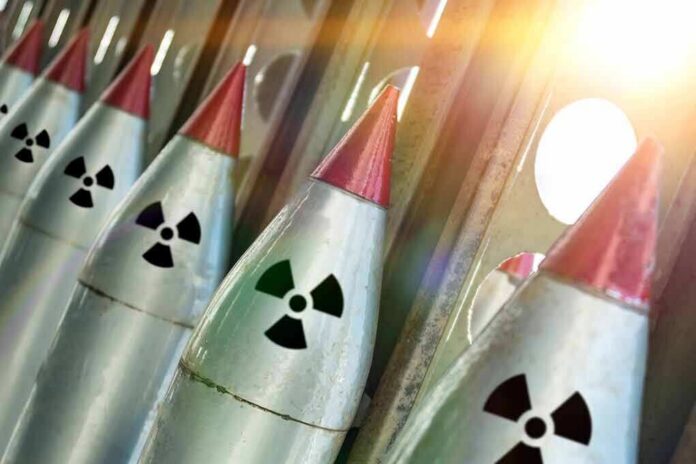
Air Force Global Strike Command ordered all units to stop using the AN/PRM-10 test oscillator set, which supports intercontinental ballistic missile communications checks. The command described the device as a signal generator used to examine those systems and said the pause takes effect now. Leaders framed the action as a safety step while experts assess possible residue on some kits. The command did not report any wider outage, and it did not claim a known injury from routine use.
A recent internal review began after an airman reported exposure while inspecting a kit at F.E. Warren Air Force Base in Wyoming, one of three active Minuteman III bases. Reporting described possible polychlorinated biphenyl residue on several test sets. Command officials have not released the final count in their notice. They said they are verifying equipment condition and will guide units on cleaning, replacement, or disposal steps once testing concludes.
What Polychlorinated Biphenyls Are And Why They Matter
Polychlorinated biphenyls are man-made chemicals once common in older electrical gear. The chemicals can persist in dust and oils for many years. Health officials link long-term exposure to possible cancer and other health risks. These chemicals are no longer made in the United States, but they still appear in legacy systems and buildings, including some Cold War-era facilities. That long tail makes even low-level findings important to track and control in confined work sites.
Minuteman III bases have been under closer review since airmen raised health concerns tied to historic workplace exposure. The Air Force launched the Missile Community Cancer Study to test air and surfaces and to guide cleanup. The command reported that first-round sampling at Malmstrom, Minot, and F.E. Warren found no new contaminants above action levels. Most samples showed no polychlorinated biphenyls or were below federal cleanup thresholds. That result did not end cleanup at spots where trace amounts were still found.
How This Fits A Larger Pattern At Missile Bases
Earlier reports found trace polychlorinated biphenyls on surfaces at some launch facilities and support buildings, even when air tests were clean. At F.E. Warren, swipe samples showed detectable amounts but below federal action levels in several cases. The command has often chosen to clean anyway to cut risk, even when readings are below the threshold. That path tries to protect workers without waiting for a higher reading that would force action by rule.
Experts and advocates note a pattern with aging systems: small, localized findings can surface years after the original hardware was installed. The Air Force says it will continue sampling, cleaning, and communicating results as the Missile Community Cancer Study proceeds. The stop-use order on the communications tester fits the “move fast and verify” approach. It shows the service can pause a tool, check it, and shift to other methods while it safeguards crews who keep the nuclear deterrent ready.
Why This Matters Beyond One Toolkit
Airmen and families want proof that safety beats schedules. The pause tells the force that leaders will stop a task if a tool may shed residue. It also shows that legacy gear from past decades can carry risks today. Many readers on the right and left share a core worry: big systems often react late to health threats. This action suggests earlier intervention, clearer testing, and cleaner workplaces may be gaining ground inside the chain of command.
The practical test will come next. Units must replace or service any affected kits without slowing critical alerts. The command says operations continue while reviews finish. If leaders follow with transparent results and firm timelines, trust can grow. If not, frustration will rise again. For now, the facts are simple: the Air Force found possible residue, stopped using the tester, and linked that move to ongoing efforts to keep airmen safe while they maintain the nation’s nuclear shield.
Sources:
taskandpurpose.com, defence-industry.eu, afgsc.af.mil, airforcemedicine.af.mil, torchlightinitiative.org, apps.dtic.mil, minot.af.mil, publichealth.va.gov