
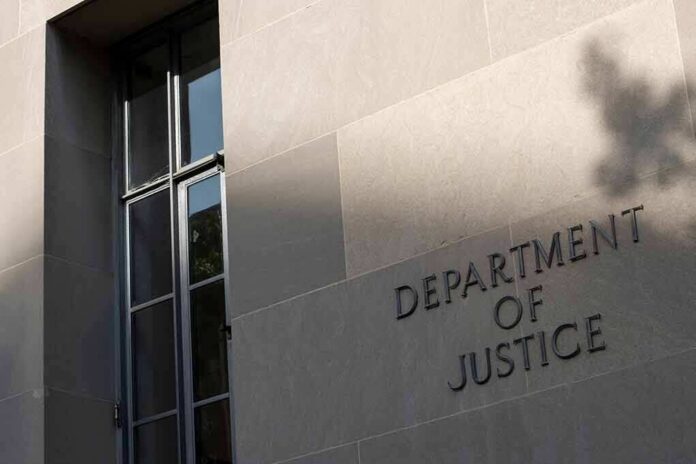
Attorney General Todd Blanche said Democrats “should be very worried” after President Trump ordered the Justice Department to review lawmakers’ rhetoric about oversight and impeachment.
Story Snapshot
- President Trump directed the Justice Department to examine alleged threats by Democratic lawmakers.
- Attorney General Blanche said criticism is protected but hinted some statements could be criminal, depending on words used.
- Representative Robert Garcia said Democrats will conduct constitutional oversight and told officials to “lawyer up” for legal scrutiny.
- Legal guides say the Speech or Debate Clause shields legislative acts from executive or judicial inquiry.
What Prompted The Clash Between The White House And House Democrats
President Trump said on Saturday that he ordered the Department of Justice to investigate Democrats for alleged threats tied to impeachment and oversight plans. Trump also accused some Democrats of targeting Republican donors with punishment, and he urged the Justice Department to take action. On Sunday, Attorney General Todd Blanche echoed the concern. Blanche said Democratic rhetoric aimed at donors, students, and prospective officials could cross legal lines, while stressing that “it depends on what’s said”.
Attorney General Blanche told CNN that Democrats “should be very worried,” and he did not rule out potential cases. He said criticism of the administration is protected speech, but he claimed some warnings sounded like threats that could warrant review. Axios reported that Blanche acknowledged Congress’s oversight power but did not identify a specific statute or confirm a probe had begun, keeping the line between politics and crime unclear for now.
How Democrats Describe Their Oversight Plans And Language
Representative Robert Garcia, the expected incoming chair of the House Oversight Committee, said Democrats will use subpoenas, hearings, and court action to examine alleged corruption and abuses. He cited Trump family business dealings, cryptocurrency ventures, Pentagon contracts, and alleged immigration enforcement abuses as subjects for inquiry. Garcia said his “lawyer up” message urged officials to prepare legal responses, not fear unlawful harm, and that courts and contempt tools would be used if the administration stonewalled.
Garcia and his allies framed oversight as a voter mandate for accountability. He said voters are “tired” of corruption and want answers from government leaders. He added that Democrats will not be intimidated by warnings from the Justice Department and that panel work will follow the Constitution and normal House rules. CNN’s live coverage noted Garcia’s stance that Blanche’s comments were meant to chill oversight, a claim he rejected by saying, “We’re not going to be intimidated”.
Where The Law Draws Lines: Protected Oversight Versus Criminal Threats
The Constitution’s Speech or Debate Clause protects lawmakers for legislative acts, which include hearings, subpoenas, and formal committee work. Courts have read the protection broadly, and guidance says executive and judicial branches cannot probe or punish core legislative acts or their motives. That protection is strong but not unlimited. It does not cover non-legislative acts, bribery, or true threats, and it may not extend to campaign-style speech outside legislative business.
Today’s fight lands in a long pattern where each side sees the other as abusing power. Supporters of the President say donors and young conservatives face bullying that chills speech. Supporters of Congress say the executive is trying to criminalize oversight. History shows these battles repeat, and trust in government drops each time. Clear lines matter: if the Justice Department pursues threats, it must avoid chilling lawful oversight; if Congress probes, it must stick to documented facts and process.
What To Watch Next That Affects You
Watch whether the Justice Department opens a formal inquiry and cites a clear legal basis. Look for whether any referral targets a specific, alleged threat rather than broad oversight plans. Track how House leaders structure hearings and subpoenas, and whether courts get involved early. The stakes go beyond party wins. If these guardrails fail, both free speech and honest oversight can suffer. That would leave elites safer than citizens, and leave regular people paying for more dysfunction.
Sources:
thehill.com, axios.com, washingtonexaminer.com, politico.com, washingtontimes.com, oversightdemocrats.house.gov, cnbc.com, pbs.org, congress.gov, academic.oup.com