

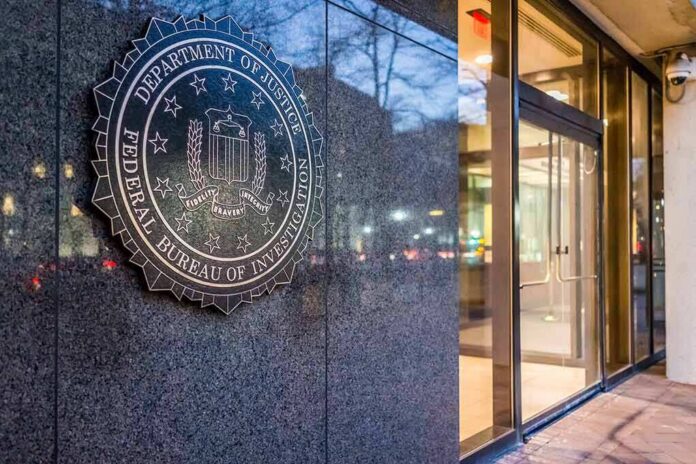
Under oath, FBI Director Kash Patel told senators the bureau moved faster and shared more case files than in recent years, while Democrats alleged politicized purges and shaky leadership.
Story Highlights
- Patel said the FBI sped up public releases on January 6 and Crossfire Hurricane files, and moved quickly on the Charlie Kirk case.
- Patel told senators the Jeffrey Epstein review found no credible evidence of trafficking to others and that credible material was released.
- Democrats pressed Patel about alleged retaliatory firings, an “enemies list,” and claims about his drinking; Patel denied them.
- The hearing underscored a wider trust gap, with both parties citing fears of politicization and institutional failure.
Patel’s Core Claim: Faster Case Disclosures and Quicker Manhunts
Senators on the Judiciary Committee questioned FBI Director Kash Patel in a public oversight hearing on September 16, 2025. Patel said the bureau released about 600 pages tied to January 6 and about 1,400 pages from the Crossfire Hurricane probe, arguing that pace topped prior years. He also described a rapid push in the Charlie Kirk murder probe, where the FBI posted images and an enhanced video within hours to help identify a suspect, who was later turned in by his father.
Patel framed these moves as proof of transparency and execution under pressure. He said the bureau managed budget strain while keeping frontline capacity in place, pointing to staff shifts and vacancy moves instead of cuts to key work. He argued that background checks and personnel reviews remained in the hands of career staff. He said he did not interfere in those decisions, aiming to assure senators that political orders did not drive hiring or firing.
Epstein Files and the Limits of Old Case Records
Lawmakers pressed Patel on the status of Jeffrey Epstein records and whether powerful names were shielded. Patel told senators the Federal Bureau of Investigation (FBI) found no credible evidence Epstein trafficked victims to anyone else and said the bureau had released all credible material tied to the case. He added that an earlier Florida case narrowed the records base years ago, which limits what can be proven now. That history shapes the dispute over what more the FBI can show today.
For readers, the key tension is clarity versus completeness. Patel says the record is clean and public to the extent the files allow. Critics argue the past limits and ongoing redactions leave unanswered questions. Both things can be true at once: a release can be fast and still feel thin. That gap fuels doubts across the aisle about whether government protects the powerful at the expense of the public’s right to know.
Alleged Purges, “Enemies List,” and Leadership Fitness
Democrats argued that Patel removed experienced agents and supervisors in ways that undercut his pledge to avoid retaliation. They cited a lawsuit that claims the firings were likely illegal and ordered from the White House, and they said morale fell as a result. Sen. Sheldon Whitehouse linked adverse actions to what he called an “enemies list,” a charge Patel rejected as false. Patel said personnel steps were based on merit and constitutional duty, not politics.
Sen. Chris Van Hollen also pressed Patel about reports of heavy drinking and availability on the job. Patel denied the claims, called them untrue, and said he had never been intoxicated at work. These clashes fed a familiar cycle: one side alleges politicization and poor conduct; the other cites sworn denials, metrics, and case work. The dispute remains unresolved on the public record, and the lawsuits and reviews will likely decide which version holds up.
Why This Hearing Matters for Public Trust
This was not just a scorecard on arrests or release counts. It was a test of whether the FBI is acting for the people rather than for a party, a president, or insiders. Patel offered numbers and quick actions on high-profile cases to show the bureau’s focus and speed. Democrats highlighted contested firings and conduct claims to show risk of political control. Both stories tap the same fear: the system serves elites before citizens.
What Could Settle the Debate
Independent records could cut through the noise. Detailed release logs on the Charlie Kirk case would verify the timeline Patel described. Public dashboards with arrest data and case outcomes could support or challenge his performance claims. Clear memos on Epstein-file review rules could show whether the bureau met the legal mark or held back. Trust grows when facts move from speeches into documents that anyone can check.
Sources:
youtube.com, judiciary.senate.gov, archive.org, rev.com, opb.org, cnn.com, nj.com