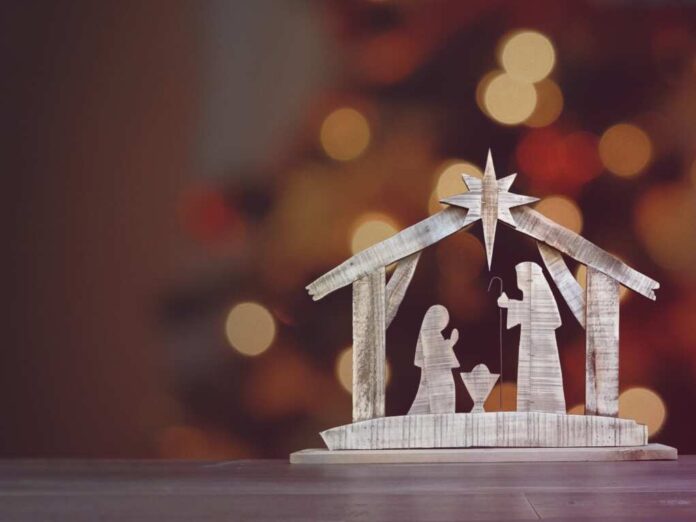
Christmas celebrations have returned to Bethlehem’s Manger Square after Hamas’s October 7th attacks devastated the birthplace of Jesus.
Story Overview
- Bethlehem held its first full Christmas tree-lighting ceremony since 2023 following Hamas’s deadly attacks
- Two years of war in Gaza decimated the city’s tourism-dependent economy, crippling local businesses
- Thousands of locals attended the celebrations, but foreign pilgrims remain largely absent
- A fragile ceasefire enabled the return of public festivities to Christianity’s most sacred Christmas site
Hamas Attacks Shattered Sacred Christmas Traditions
Hamas’s brutal October 7, 2023 attacks on Israeli civilians triggered a devastating chain reaction that silenced Christmas in the very place where Christ was born. Church leaders and municipal authorities in Bethlehem canceled or drastically scaled back all public Christmas festivities following the terrorist assault and subsequent Gaza war. The Church of the Nativity, revered as Jesus’s birthplace since the 4th century, stood eerily quiet during what should have been Christianity’s most joyous season. This represents an unconscionable attack on religious freedom and Christian heritage by Islamic terrorists whose violence rippled far beyond their immediate targets.
International pilgrims who typically flock to Bethlehem for Christmas stayed away from the Holy Land for more than two years, according to CBS reports. The absence of foreign visitors transformed the normally vibrant Manger Square into a shadow of its former glory. Travel advisories and security concerns kept Christian tourists from making their sacred pilgrimages, denying them access to their faith’s most meaningful site during Christmas. This economic and spiritual warfare against Christian communities demonstrates how radical Islamic terrorism extends its destructive reach far beyond immediate combat zones.
Tourism Industry Devastated by Islamic Extremism
Bethlehem’s tourism industry, the economic lifeline for thousands of Christian and Muslim families, suffered catastrophic losses that CBS described as “devastating” and “crippling the city’s entire” economy. Hotels shuttered, souvenir shops closed, restaurants emptied, and tour guides lost their livelihoods as Hamas’s violence destroyed the peaceful pilgrimage trade. Local businesses accumulated crushing debt during two lost tourism seasons, with many facing permanent closure. This economic destruction showcases how terrorist organizations like Hamas deliberately target innocent civilians and religious communities to achieve their radical political goals.
The impact extends beyond mere economics to threaten Bethlehem’s Christian demographic survival. Continued financial strain could accelerate Christian emigration from the birthplace of Jesus, fundamentally altering the character of Christianity’s holiest site. This pattern reflects broader Middle Eastern trends where Islamic extremism drives ancient Christian communities from their ancestral lands. The West Bank’s declining Christian population faces additional pressure from Israeli security restrictions and Palestinian Authority governance constraints, creating a perfect storm of challenges for maintaining Christian presence in biblical lands.
Fragile Recovery Amid Ongoing Security Threats
Mayor Mahar Kanawati cited a “fragile ceasefire” brokered by external mediators as enabling the 2025 Christmas celebrations, though thousands attending were overwhelmingly local residents rather than international pilgrims. The tree-lighting ceremony in Manger Square marked the first full celebration since 2023, offering residents a rare moment of normalcy after prolonged trauma and economic hardship. However, the mayor’s emphasis on the ceasefire’s fragility underscores how quickly Islamic terrorism could again silence Christmas in Bethlehem. Any renewed Hamas aggression or regional escalation threatens to plunge the city back into economic and spiritual darkness.
Watch:
While local celebrations have resumed, the broader recovery remains precarious and incomplete. Israeli security checkpoints and the separation barrier, necessary defenses against terrorist infiltration, continue affecting tourist access to Bethlehem. The Palestinian Authority’s limited governance capabilities and dependence on external ceasefire arrangements highlight the region’s structural instability. For Christian pilgrims and conservative Americans who value religious freedom, Bethlehem’s struggle represents a broader battle between civilized values and Islamic extremism that seeks to destroy Christianity’s sacred sites and communities throughout the Middle East.