
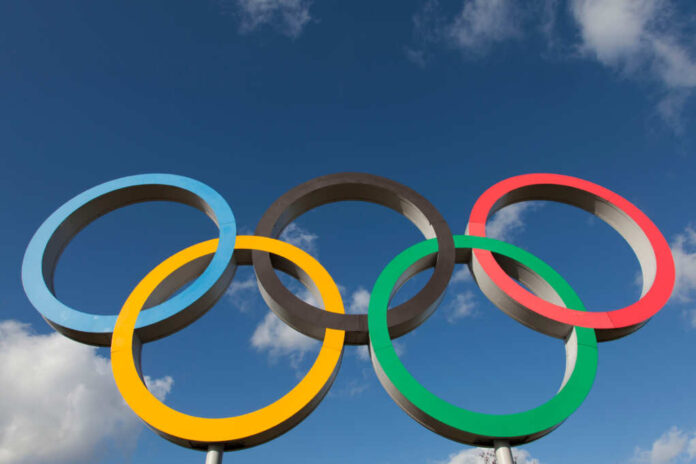
For the first time, the International Olympic Committee is positioned to defend women’s sports by considering a universal ban on biological males competing in female Olympic events.
Story Snapshot
- The IOC may soon implement a blanket ban on transgender women in female Olympic competitions after years of controversial “inclusion” policies.
- Scientific reviews confirm that male physiological advantages persist even after testosterone suppression, fueling the push for this policy.
- Mounting political pressure—especially from the United States under President Trump—has accelerated the IOC’s move to protect women’s sports.
- An official decision is expected in early 2026, with major implications for the future of women’s athletics and fairness in global competition.
IOC Grapples with Decades of Controversy Over Women’s Sports
The International Olympic Committee first permitted transgender women to compete in women’s events back in 2003, requiring surgery and hormone therapy. In 2015, the IOC relaxed these rules, shifting to a testosterone-based standard that allowed more biological males into women’s sports. This move sparked a wave of frustration among female athletes and advocates for fair competition who saw their hard-fought victories put at risk by policies that ignored basic biological realities.
Over the past decade, an ongoing scientific debate has exposed the inadequacy of testosterone suppression as a leveler, with studies showing that biological males retain significant performance advantages over females. This evidence has been amplified by high-profile cases where transgender athletes dominated women’s competitions, raising concerns about the erosion of women’s sports and the safety of female athletes.
Trump Administration’s Bold Intervention Changes the Game
In February 2025, President Trump issued an executive order banning transgender women from women’s sports at the federal level, a move immediately echoed by the US Olympic and Paralympic Committee and the NCAA. This directive, rooted in the defense of fairness, women’s rights, and common sense, directly challenged the international status quo, putting the IOC under intense pressure to adopt similar measures. The Trump administration’s policy signalls America’s renewed commitment to protecting women’s opportunities and rolling back ideologically driven rules that undermine the integrity of sport. Following the US lead, several state and national governing bodies adopted parallel bans, while major international federations like World Athletics and World Aquatics moved to exclude biological males from elite women’s competitions.
» Report: IOC Ready to Ban “Trans Women” From Women’s Events – The New American https://t.co/PsBVTtSg12
— Jerry Dean Bowers (@vipertoxin) November 11, 2025
Policy Shift: Toward a Blanket Ban on Trans Women in Women’s Olympic Events
For the first time, the IOC is considering a universal ban on transgender women in women’s events, moving away from its previous hands-off, sport-by-sport approach. This proposed policy, expected to be announced at the IOC session in Milan in early 2026, would set a global precedent for fairness in elite sports. The change responds not only to political and scientific pressures but also to mounting demands from women’s sports advocates who argue that anything less would betray the very purpose of separate female athletic categories. The IOC’s working group, led by President Kirsty Coventry and Dr. Jane Thornton, continues to review evidence and consult stakeholders.
Watch: Olympics may issue blanket ban on trans women competing in women’s sports
Implications for the Future of Women’s Sports and American Values
If finalized, the IOC’s policy will likely bar transgender women from the 2026 Winter Olympics and possibly the 2028 Summer Olympics in Los Angeles. This outcome marks a major victory for those defending women’s sports from ideological overreach and globalist social engineering. Legal and political challenges are expected, but the momentum has shifted: the tide is turning away from the radical policies of the past and toward restoring fairness, safety, and opportunity for female athletes everywhere. With the United States leading by example, the world is watching as the Olympic movement faces a defining test of its commitment to truth, merit, and the protection of women’s sports for generations to come.
Sources:
ESPN: International Olympic Committee: No decision yet on transgender ban
Ogletree: U.S. Olympic Committee’s New Transgender Athlete Ban Highlights Changing Policy Landscape
LA Times: International Olympic Committee Ban on Transgender Athletes Competing in Women’s Sports