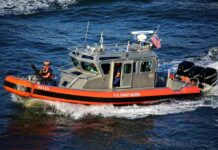
Iran’s deployment of explosive suicide skiffs disguised as fishing boats in the Strait of Hormuz represents a direct threat to American naval superiority and global energy security, exploiting cheap asymmetric warfare to hold hostage the chokepoint that carries 20% of the world’s oil.
Story Overview
- Iran deployed remote-controlled explosive boats disguised as fishing vessels to swarm U.S. Navy ships and commercial tankers in the Strait of Hormuz
- Since March 11, at least nine vessels have been attacked using suicide skiffs, aerial drones, and mines in retaliation for U.S. Operation Epic Fury
- Defense experts warn Iran’s low-cost swarm tactics exploit geographic advantages, overwhelming American air defenses designed for traditional threats
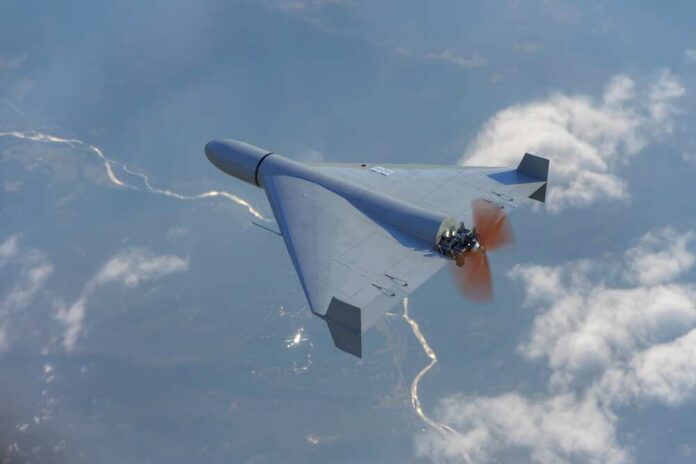
- Shipping traffic has stalled and oil prices are surging as Iran sustains daily attacks using Shahed drones and unmanned surface vehicles
Iran’s Swarm Strategy Exploits Maritime Geography
Iran’s Islamic Revolutionary Guard Corps Navy has transformed the 21-mile-wide Strait of Hormuz into a gauntlet of asymmetric threats. Defense analyst Behnam Chell warns that Iran can deploy swarms of 50 or more explosive boats using simple radio or GPS control within line-of-sight range. These 12-to-30-foot skiffs, disguised as wooden fishing vessels, cost a fraction of U.S. interceptor missiles while forcing American forces to expend millions defending against each attack. The strait’s narrow geography and Iran’s extensive shoreline control create ideal conditions for this cost-imposition warfare.
Timeline of Escalating Attacks Following Operation Epic Fury
The current crisis erupted after U.S. and Israeli forces launched Operation Epic Fury on February 28, killing Supreme Leader Ali Khamenei and targeting Iranian command infrastructure. Iran retaliated on March 1 with a massive wave of 1,206 strikes—867 drones and 339 missiles—against Gulf state targets. By March 11, the focus shifted to the Strait of Hormuz, with suspected Iranian drones hitting at least three ships and explosive boats striking two oil tankers. A fuel depot in Oman was also hit. March 12 saw six more vessel attacks and deployment of approximately 12 mines, demonstrating Iran’s layered approach combining aerial drones, surface boats, and traditional naval mines.
U.S. Response Struggles Against Low-Tech Threat
Secretary of Defense Pete Hegseth pledged to degrade Iran’s naval capabilities while Treasury Secretary Scott Bessent announced plans for convoy escorts to protect commercial shipping. However, experts highlight fundamental challenges in countering swarm tactics. U.S. aircraft prove inefficient against small, numerous boats scattered across congested shipping lanes filled with legitimate fishing vessels. The Center for Strategic and International Studies identified Iran’s two-phase campaign—initial shock followed by sustained attrition using Shahed-family drones—as designed to exhaust coalition defenses. Some analysts warn that boots on the ground may ultimately be required to secure the strait, a prospect that would dramatically escalate American involvement.
Economic and Strategic Implications for American Interests
The disruption threatens energy security for American allies and global markets dependent on Gulf oil transit. Shipping insurance rates have spiked as tanker crews evacuate and vessels remain stranded. Iran’s new Supreme Leader, Mojtaba Khamenei, has vowed continued targeting of U.S. bases and ships in the Hormuz region while officially denying plans to formally close the strait, instead asserting Iran’s “security rights.” This sustained campaign reshapes modern naval warfare, demonstrating how determined adversaries can challenge American power projection using inexpensive technology. The attacks expose vulnerabilities in defenses optimized for sophisticated threats rather than mass low-cost systems, forcing a reassessment of maritime security doctrine that protects vital American economic and strategic interests in the region.
‘Swarm’ the U.S. Navy: Iran’s Strategy to Use Cheap Drones to Hold the Strait of Hormuz Hostagehttps://t.co/1zDX2FfYON
— 19FortyFive (@19_forty_five) March 16, 2026
Defense officials continue coordinating with coalition partners including the UK and Gulf Cooperation Council states to restore freedom of navigation through the strait. Yet Iran’s geographic positioning along the entire northern shoreline, combined with ongoing fires at its Bandar Abbas naval headquarters from U.S. counterstikes, suggests this standoff will test American resolve and military capabilities for the foreseeable future. The challenge underscores the reality that technological superiority alone cannot guarantee security when adversaries exploit terrain, disguise, and sheer numbers to impose disproportionate costs on American forces defending international waters and the free flow of energy resources.
Sources:
Iran deploys explosive ‘suicide skiffs’ disguised as fishing boats in Strait of Hormuz
Unpacking Iran’s Drone Campaign in the Gulf: Early Lessons for Future Drone Warfare
Missile Attacks Define Strait of Hormuz Risks, Officials Say
Iran Denies Plans To Close Strait Of Hormuz But Asserts ‘Security Rights’