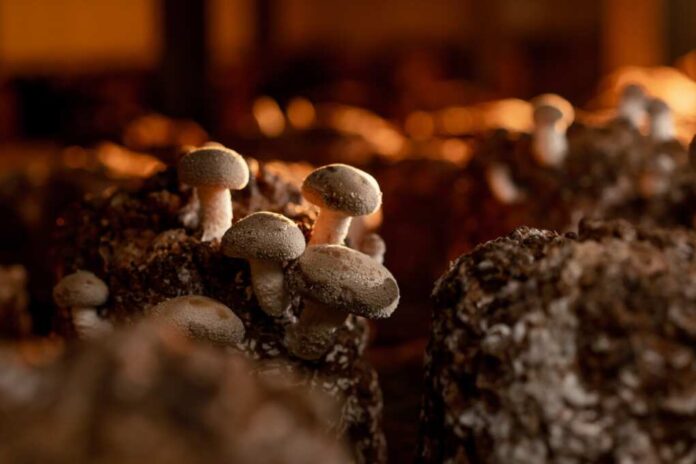
Scientists have successfully created functional computers using living mushroom tissue, transforming fungal networks into data-processing machines that could revolutionize how we think about computing forever.
Story Highlights
- Researchers built working computers powered by living mushroom mycelium that can process data and retain memory
- Ohio State University unveiled functional prototypes demonstrating basic logic operations and environmental responsiveness
- Shiitake-infused chips offer sustainable alternatives to rare-earth-based electronics with self-healing properties
- This breakthrough merges biology with technology, creating “wetware” computers that could replace silicon-based systems
The Underground Network Revolution
Deep beneath the forest floor, mushroom networks have been quietly demonstrating computational abilities that rival our most sophisticated processors. Professor Andy Adamatzky at the University of the West of England discovered that mycelium, the thread-like root structure of mushrooms, transmits electrical impulses with remarkable precision. These living networks don’t just grow and spread—they calculate, remember, and adapt to their environment in ways that challenge everything we thought we knew about computing.
The implications stretch far beyond laboratory curiosities. While tech giants pour billions into ever-smaller silicon chips, these researchers found computational gold in the organic world. Mycelium networks process environmental stimuli through electrical spikes, creating natural logic gates that respond to light, pressure, and chemical changes with startling sophistication.
Watch: Living Computers Powered by Mushrooms: The Future of Bioelectronics?
From Mushroom Farm to Computer Lab
The journey from fungi to functional computers began in 2001 when Adamatzky established his Unconventional Computing Laboratory. Initially exploring slime molds and chemical reactions, the research team pivoted to mushrooms after discovering their superior electrical signaling capabilities. Oyster and shiitake mushrooms emerged as the most promising candidates, their robust mycelial networks proving ideal for integration with electronic circuits.
Ohio State University researchers took the concept further, developing working prototypes that demonstrate memory retention and logic functions. Their mushroom-powered computers can store information, process basic calculations, and even heal themselves when damaged. This represents the first successful merger of living tissue with electronic hardware, creating what scientists call “wetware” computing systems.
Living computers powered by mushrooms https://t.co/rjTUuWbnOm
— Ythan (@Shroomery) October 26, 2025
The Silicon Alternative Nobody Saw Coming
Traditional computing faces mounting challenges: rare earth mining environmental costs, electronic waste accumulation, and the approaching limits of silicon miniaturization. Mushroom computers offer solutions to all three problems. These living systems are completely biodegradable, require no rare earth elements, and can literally grow their own replacement parts when components fail.
The self-healing aspect alone represents a paradigm shift. When a conventional computer chip breaks, you replace the entire component. When mycelium-based circuits sustain damage, they regenerate the damaged pathways naturally. This biological resilience could extend computer lifespans dramatically while reducing electronic waste to near zero levels.
Scaling the Living Machine
Current prototypes remain limited compared to silicon processors in speed and complexity. However, researchers emphasize that fungal computers excel in areas where traditional electronics struggle: adaptability, environmental sensing, and energy efficiency. These systems consume minimal power while maintaining constant connectivity to their surroundings, making them ideal for environmental monitoring and smart infrastructure applications.
Sources:
Fungal Future: Exploring the Potential of Mushroom Computing
Powered by mushrooms, living computers are on the rise
Fungal Electronics: Mushrooms could power next-gen computers
Shroom to Grow: Ohio State University Scientists Unveil Revolutionary Mushroom-Powered Living Computers
Shiitake-powered computer demonstrated by researchers