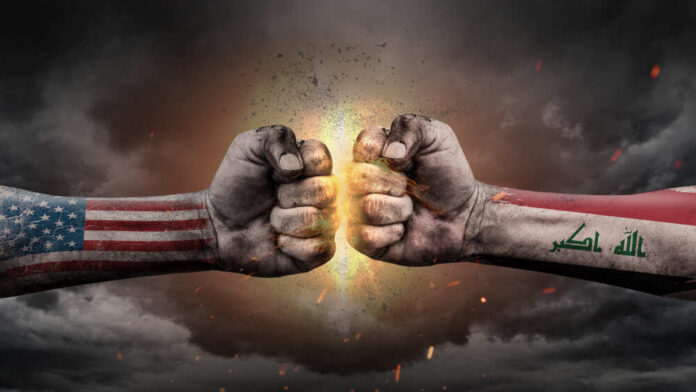
As President Trump welcomes Iraq’s new prime minister Ali al-Zaidi to the White House, the promise of big energy deals and militia crackdowns collides with deep worries that Washington is again trading American interests and Iraqi sovereignty for short-term headlines.
Story Snapshot
- Trump and Ali al-Zaidi are using this first White House meeting to shift the United States–Iraq relationship from mainly security to a wider economic and energy partnership.
- The agenda centers on more oil production, new roles for United States companies in Iraqi infrastructure, and talks on disarming armed groups outside government control.
- Media reports say Washington also wants Iraq to curb Iran-backed militias, tying energy and investment help to hard security and political concessions.
- Key details like signed agreements, money amounts, and even the prime minister’s full official name remain unclear, feeding public mistrust of both governments.
Trump’s Welcome And What Both Leaders Say They Want
President Donald Trump invited Ali al-Zaidi to the White House after backing him as Iraq’s new leader and promising a “fruitful” new chapter in relations. The Iraqi prime minister’s office says this visit aims to boost economic and development partnerships and expand the role of United States companies in major projects like roads, power, and communications. Ali al-Zaidi has told reporters his goal is to move ties “from a phase of security cooperation to a sustainable economic partnership,” putting investment at the center.
Officials in Baghdad and Washington describe this trip as Ali al-Zaidi’s first major foreign mission since taking office, showing he wants the United States high on Iraq’s priority list. His delegation includes Iraqi business leaders, another signal that money, jobs, and energy are the main focus of the talks. At the same time, Trump has made clear he sees the visit as a way to strengthen United States influence in Iraq and limit Iran’s reach there, blending economic promises with security pressure.
Oil, Energy Deals, And Who Really Benefits
Pre-meeting statements from Iraqi officials highlight plans for oil and gas memorandums of understanding that would increase Iraq’s oil production and bring in more United States energy companies. Names floated include Chevron and firms like HKN, Western Zagros, and Hunt, tied to big fields such as West Qurna-2 and Nasiriyah. One report describes a proposed fund where Iraq would deposit 500,000 barrels of oil per day in exchange for a boost in electricity supply, linking energy exports directly to power for Iraqi homes and businesses.
For many Americans and Iraqis, this raises familiar fears that well-connected companies and political elites will cash in while ordinary people see little change. Past United States–Iraq talks have often promised broad economic cooperation but delivered deals that mainly support oil production and corporate profits. Today’s meeting fits that pattern: the visit is sold as a step toward the “American Dream” for Iraqis, yet no official documents share clear dollar amounts, timelines, or firm job guarantees tied to these new negotiations.
Militias, Iranian Influence, And The Sovereignty Question
Joint statements before the visit say Trump’s team and Ali al-Zaidi will talk about disarming armed groups that operate outside state control, in the name of protecting Iraqi sovereignty. United States officials, including a State Department source quoted earlier this year, have pressed Ali al-Zaidi to cut off funding and salaries for Iran-backed militias if he wants full restoration of American aid and military support. Media outlets like LiveMint and Yahoo News frame the meeting as Washington “drawing a line” for Iraq’s new leader on Iranian influence.
‼️‼️🇺🇸🇮🇶 BIG | President Donald Trump welcomed Iraq’s newly elected Prime Minister, Ali al-Zaidi, to the White House.
The meeting represents a significant "reset" in U.S.-Iraq relations, as the two leaders discussed key security and economic priorities.
Prime Minister… pic.twitter.com/v9DB0Dd1lz
— Visioner (@visionergeo) July 14, 2026
Ali al-Zaidi has responded by saying he seeks a strong economic partnership with the United States while still keeping balanced ties with Iran, trying to walk a tightrope in a divided region. Reports from Iraqi outlets note that he is pushing energy deals and anti-corruption steps to please Washington but leaving the toughest militia issues to “the margins” of the talks. For Iraqis, that raises hard questions about how much real control their government has over armed factions; for Americans, it fuels doubts about whether United States pressure is about security or about using Iraq as another arena in a long struggle with Iran.
Missing Details, Mixed Messages, And Public Distrust
Even basic facts around this visit show how hard it is for citizens to get a clear picture. Some outlets and earlier embassy statements refer to the meeting as set for “mid-July” or “next month,” while newer reports name July 14 as the date, hinting at confused or outdated messaging between offices. One outlet even lists the prime minister as “Mohammed Al-Zaidi” instead of Ali, an error that has not yet been formally corrected by his office, adding to the perception of sloppy communication.
So far, neither the White House nor the Iraqi prime minister’s office has released full transcripts, video records, or signed copies of any oil or energy agreements from the talks. That silence leaves major questions open: How much oil is really on the table? What are United States companies promised? What exact steps must Iraq take on militias and Iranian ties? In a time when many Americans and Iraqis feel their governments mainly serve wealthy insiders and foreign interests, the lack of hard information around such a high-stakes meeting only deepens the sense that the public is being asked to trust deals they are not allowed to see.
Sources:
facebook.com, aljazeera.com, bostonglobe.com, arabnews.jp, timesofisrael.com, turkiyetoday.com, thepeninsulaqatar.com, english.aawsat.com, youtube.com, al-monitor.com, fdd.org, washingtoninstitute.org