A new NATO strategy aims to keep Russia and China out of Greenland, marking a shift in U.S. foreign policy under President Trump.
Story Highlights
- Trump shifts from unilateral Greenland acquisition to NATO-led security cooperation.
- Tariff threats on European allies are withdrawn following a new framework agreement.
- Greenland’s strategic importance highlighted in Arctic security discussions.
- NATO aims to counter Russian and Chinese influence in the Arctic region.
Trump’s Greenland Strategy Transforms into NATO Security Plan
President Donald Trump’s initial aggressive stance on acquiring Greenland has evolved into a structured NATO security strategy aimed at countering Russian and Chinese influence. During the World Economic Forum in Davos, NATO Secretary General Mark Rutte confirmed that negotiations would focus on preventing these adversaries from gaining access to Greenland’s economy and military infrastructure. This marks a significant shift from Trump’s earlier threats of imposing tariffs on European nations unless the U.S. could acquire Greenland.
Following discussions with Rutte, Trump announced a “framework” agreement that not only cancels planned tariffs but also aligns U.S. interests with NATO’s collective defense strategy in the Arctic. This move represents a de-escalation of tensions that had reached a critical point between Europe and Washington. Rutte’s mediation has reframed the dispute within a broader geopolitical context, focusing on Arctic security rather than territorial acquisition.
JUST IN – Greenland talks aim to prevent Russia, China 'access': NATO chief https://t.co/nIrAVt213g pic.twitter.com/jBuAZOJRjQ
— Insider Paper (@TheInsiderPaper) January 22, 2026
Denmark’s Sovereignty and Arctic Security
Denmark, which holds sovereign authority over Greenland, has consistently rejected any proposals to sell the territory. However, the Danish government remains open to discussions on security cooperation within the NATO framework. The new agreement respects Greenland’s status as part of Denmark while emphasizing collective security measures against Russian and Chinese expansion in the Arctic.
The rapid development of a framework agreement within 24 hours of Trump’s tariff threat highlights the diplomatic pressure and coordination involved. This pivot from confrontation to cooperation suggests existing diplomatic channels were leveraged effectively to address shared security interests.
NATO’s Arctic Strategy and Future Implications
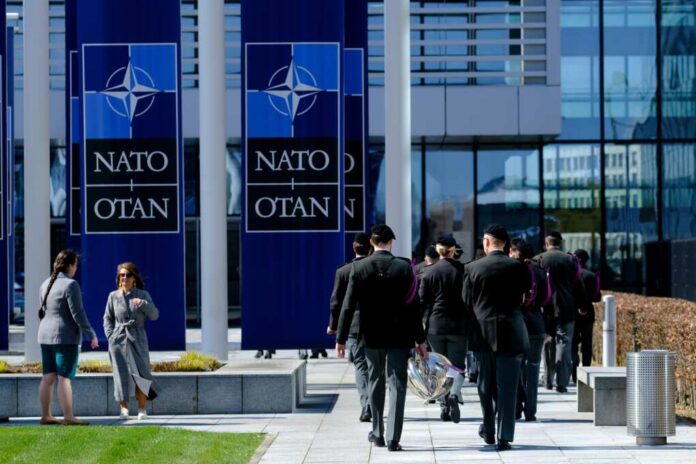
The newly established NATO framework is expected to formalize Arctic security protocols with its seven Arctic member nations. This includes the U.S., Canada, Denmark, Iceland, Sweden, Finland, and Norway. The alliance aims to enhance its operational presence in the Arctic, countering Russian military buildup and Chinese economic interests in the region. This multilateral approach reinforces NATO’s cohesion and commitment to collective defense, establishing a precedent for resolving future disputes.
The developments highlight Greenland’s critical role in Arctic geopolitics, with its resources and strategic location drawing increased attention. As NATO solidifies its Arctic strategy, the U.S. shift from unilateral rhetoric to collaborative security efforts marks a significant policy transformation, ensuring that Greenland remains a key asset within NATO structures.
Watch:
Sources:
Greenland: NATO Chief Says Talks to Focus on Keeping Russia, China Out
NATO Chief Says Russia, China Must Not Gain Access to Greenland’s Economy, Military Infrastructure
Davos 2026: Trump Arrives in Switzerland Where Quest to Own Greenland Could Overshadow Other Goals