
A woman charged with a $29 million COVID-relief fraud scheme in Georgia was rearrested after allegedly driving a stolen luxury van to her court hearing, highlighting the widespread fraud and the challenges in enforcing pretrial conditions.
Story Highlights
- A Georgia woman involved in a $29M COVID fraud case was caught driving a stolen van to court.
- This incident underscores the persistence of pandemic-related fraud and the enforcement challenges.
- Federal authorities continue to crack down on COVID-relief fraud with over 2,000 investigations.
- Such cases pressure lawmakers to tighten controls on future emergency aid programs.
Georgia Woman Arrested in $29M COVID Fraud
Federal authorities have charged a Georgia woman with orchestrating a COVID-19 relief fraud scheme amounting to approximately $29 million. This scheme involved fraudulent applications for pandemic business-relief programs, such as the Paycheck Protection Program (PPP) and Economic Injury Disaster Loans (EIDL) under the CARES Act. While on pretrial release, she allegedly attended a court hearing in a stolen luxury van, leading to her arrest on additional charges of auto theft.
The case has drawn significant attention due to the unusual circumstances and the apparent irony of committing another crime while attending a hearing for the initial fraud. This story is part of a broader narrative highlighting the rampant COVID-relief fraud that exploited government programs meant to aid struggling businesses during the pandemic.
Woman charged in $29M COVID-19 fraud arrested for driving stolen van to court https://t.co/7paYJmm0k0 pic.twitter.com/Ek9V2xHUN6
— The Smoking Gun (@tsgnews) December 16, 2025
COVID-Relief Fraud: A Widespread Issue
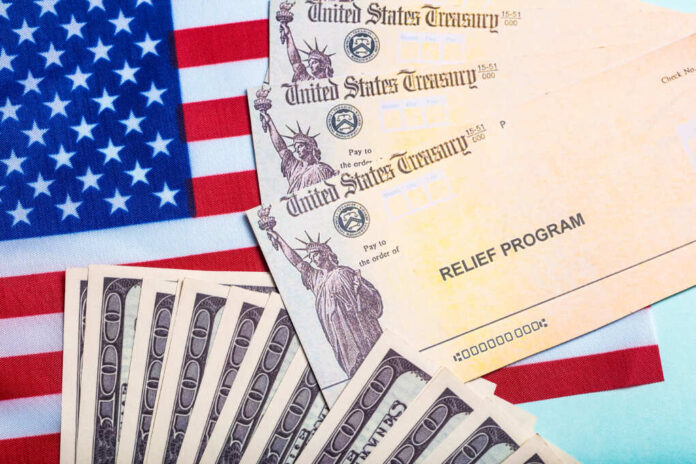
The CARES Act, enacted in March 2020, aimed to support businesses and workers impacted by the pandemic through programs like PPP and EIDL. However, these programs faced vulnerabilities due to relaxed controls that were easily exploited by fraudsters. By 2025, IRS Criminal Investigation had launched over 2,039 COVID-fraud investigations, uncovering $10 billion in attempted fraud. This case in Georgia is part of a larger pattern of fraud schemes across the nation, particularly in the Southern states.
Investigative agencies, including the DOJ and IRS-CI, emphasize that COVID-relief fraud remains a priority. Defendants in such cases are typically prosecuted in federal court, facing severe penalties such as up to 20 years per wire-fraud count. This enforcement effort is crucial to deter fraud and recover misappropriated funds.
Impact and Legislative Response
This high-profile case serves as a stark reminder of the need for tighter controls on emergency aid distribution. Lawmakers are under pressure to implement stricter identity verification and cross-checks against IRS records to prevent future fraud. The sheer scale of COVID-relief fraud, estimated at $200 billion across SBA programs, showcases the significant misallocation of resources that could have supported legitimate businesses.
The media attention surrounding such cases also affects public trust in aid programs and the justice system. Sensational stories of brazen fraud and bizarre conduct can undermine confidence that relief efforts were administered fairly. As the enforcement landscape evolves, both banks and tax-preparer industries are strengthening their fraud-detection systems to mitigate risks associated with pandemic relief programs.
Sources:
Eleven Individuals Indicted for Stealing More Than Two Million Dollars in COVID Relief Funds
11 Indicted in $2.2M COVID Relief Fraud Scheme in Tampa
Public Servants Sentenced for COVID-19 Relief Fraud
Five Years Post-CARES Act, IRS-CI Has Launched 2039 COVID Fraud Investigations Totaling $10B in Attempted Fraud