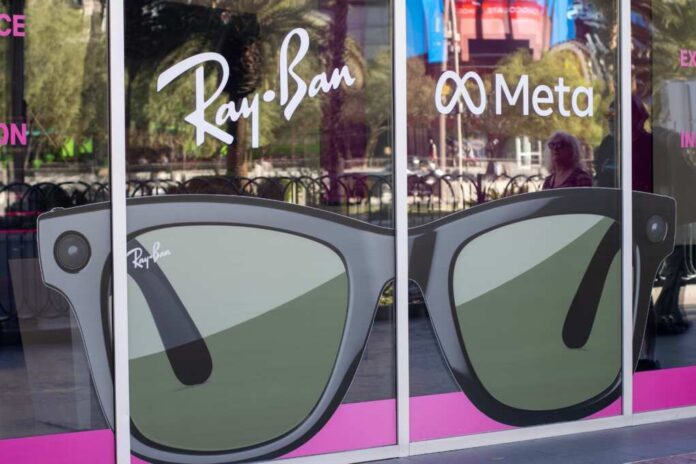
Mark Zuckerberg’s live demonstration of Meta’s AI-powered smart glasses descended into tech chaos as the devices repeatedly malfunctioned on stage, exposing the gap between Silicon Valley hype and actual innovation.
Story Highlights
- Meta’s AI glasses demo failed twice during Zuckerberg’s live presentation
- CEO blamed Wi-Fi connectivity issues for the embarrassing technical failures
- Public humiliation highlights Big Tech’s pattern of overpromising on AI capabilities
- Incident raises questions about rushing unfinished products to market
Tech Demo Disaster Unfolds
Mark Zuckerberg faced a public relations nightmare when Meta’s new AI-powered Ray-Ban smart glasses failed to function properly during a highly anticipated live demonstration. The glasses, designed to respond to gestures and voice commands, experienced multiple malfunctions that left the Meta CEO scrambling for explanations. Zuckerberg attributed the failures to Wi-Fi connectivity problems, but the repeated glitches exposed fundamental issues with the technology’s readiness for public deployment.
The demonstration was intended to showcase Meta’s advancement in artificial intelligence and wearable technology, positioning the company as a leader in the next generation of consumer devices. Instead, the event became a cautionary tale about the dangers of presenting unfinished technology to investors and consumers. The failures occurred during basic functionality tests, raising serious concerns about the product’s reliability and market readiness.
Mark Zuckerberg's Meta Ray-Ban Display glasses demo failed twice during a live presentation, with cooking assistant and video call features. https://t.co/5c3pNocxMM
— FOX 11 Los Angeles (@FOXLA) September 19, 2025
Pattern of Silicon Valley Overpromising
This latest debacle represents a broader problem in the tech industry where companies rush to market with half-baked artificial intelligence solutions. Meta’s embarrassing display mirrors similar failures by other Big Tech companies that prioritize flashy presentations over proven functionality. The incident particularly stings given Meta’s massive investments in AI research and development, calling into question the company’s technical competency and project management.
Conservative observers note this failure exemplifies Silicon Valley’s disconnect from practical problem-solving that benefits ordinary Americans. While tech giants pour billions into futuristic gadgets that don’t work, real issues facing families and communities remain unaddressed. The spectacle reinforces concerns about Big Tech’s priorities and their ability to deliver on grandiose promises.
Market Confidence and Investor Concerns
The public failure raises legitimate questions about Meta’s ability to execute on its ambitious AI strategy and compete effectively in the emerging wearable technology market. Investors have poured substantial resources into the company’s metaverse and AI initiatives, expecting tangible returns on these massive investments. Technical failures during crucial demonstrations undermine confidence in leadership and strategic direction.
The embarrassing display also highlights the risks of over-reliance on artificial intelligence before the technology reaches sufficient maturity. Companies rushing AI-powered products to market without adequate testing create potential safety and reliability issues for consumers. This incident serves as a reminder that innovation requires patience, thorough development, and honest assessment of technological limitations rather than premature marketing campaigns.
Sources:
https://africa.businessinsider.com/news/mark-zuckerbergs-meta-ai-glasses-demo-went-wrong-live-onstage-twice/zmz5r5x
https://techcrunch.com/2025/09/19/meta-cto-explains-why-the-smart-glasses-demos-failed-at-meta-connect-and-it-wasnt-the-wi-fi/?utm