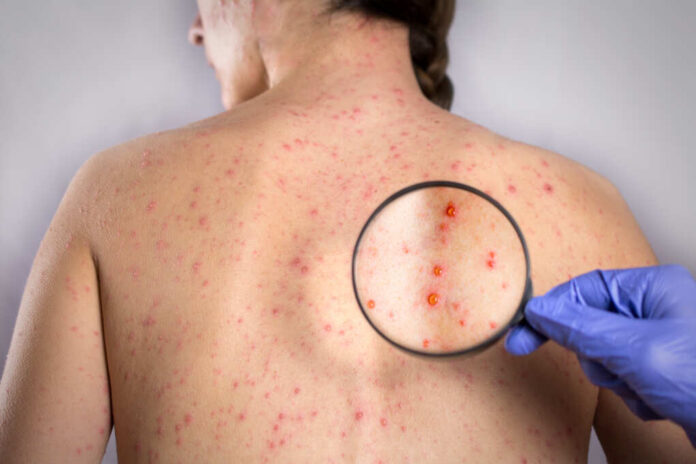
Texas emerges as the epicenter of the largest measles outbreak since 2000, raising alarms over declining vaccination rates.
Story Overview
- Texas declared the outbreak over on August 18, 2025, after 42 days without new cases.
- The outbreak resulted in 762 confirmed cases, 99 hospitalizations, and two child deaths.
- Declining vaccination rates and vaccine hesitancy are major concerns.
- Public health efforts credited with controlling the outbreak, but risks remain.
Texas Becomes Measles Epicenter
In early 2025, Texas found itself at the heart of the largest measles outbreak in decades, affecting over 762 individuals. This surge, the most significant since the disease was declared eliminated in the U.S. in 2000, expanded into neighboring states like New Mexico and Oklahoma. Rooted in low vaccination rates within specific communities, the outbreak led to 99 hospitalizations and tragically included the first U.S. measles deaths since 2015.
TEXAS becomes measles HOTSPOT @SenBillCassidy
The state with the highest number of measles cases as data shows unprecedented surge across UShttps://t.co/xZ8cPtI40m
— Mike Ditkas Bad Hip (@LaBeets50) October 22, 2025
The outbreak began in January 2025, with initial cases pinpointed to Houston and Lubbock. These were linked to international travel, a common vector in such outbreaks. By February, the disease had spread to multiple counties in West Texas and crossed into New Mexico. By March, it had reached as far as Oklahoma and Chihuahua, Mexico, highlighting the infectious nature of measles and emphasizing the challenges faced by health authorities.
Watch: Texas measles outbreak grows to 159 cases
Challenges of Low Vaccination Rates
One of the primary factors exacerbating the situation was the declining MMR vaccination coverage. Herd immunity, typically achieved at a 95% vaccination rate, was compromised in several Texas communities, particularly rural and close-knit ones. Vaccine hesitancy, fueled by misinformation and opt-out policies requiring explicit consent for immunization registry inclusion, further complicated containment efforts. These pockets of low vaccination allowed the virus to spread rapidly, undermining public health measures.
Despite the outbreak’s containment, public health officials warn that vaccination rates remain below optimal levels in several regions, posing a potential risk for future outbreaks. The Texas Department of State Health Services, alongside the CDC, emphasized the urgent need to increase MMR vaccination coverage to fend off similar crises.
Public Health Response and Future Implications
The successful containment of the outbreak by mid-August 2025 was attributed to comprehensive public health responses, including mass vaccination campaigns, rigorous testing, and intensive public education efforts. These initiatives were crucial in restoring control and protecting vulnerable populations. However, the outbreak has reignited debates over vaccine mandates and the role of government in public health.
Looking forward, if vaccination rates do not improve, the region may face recurring outbreaks, leading to increased healthcare costs and disruptions in communities. The events in Texas serve as a stark reminder of the delicate balance required between individual rights and community health responsibilities, particularly in light of the global resurgence of measles.
Sources:
CDC MMWR on Measles Data
Wikipedia: 2025 Southwest U.S. Measles Outbreak
Texas Declares Measles Outbreak Over
DSHS News Alerts: Measles Outbreak 2025
The Texas Tribune: Texas Measles Outbreak