
While the nation grapples with a mysterious death at sea, the FBI’s involvement raises major concerns about the security and transparency Americans can expect—even in international waters.
Story Snapshot
- The FBI is investigating the sudden death of 18-year-old Anna Kepner aboard the Carnival Horizon cruise ship after its return to PortMiami.
- The incident occurred in international waters, invoking complex legal protections under the Death on the High Seas Act.
- Federal authorities have not released details, fueling public speculation and frustration about transparency and passenger safety.
- The case has spotlighted longstanding concerns about jurisdiction, accountability, and the rights of American citizens aboard cruise ships.
Federal Investigation Launches After Cruise Ship Tragedy
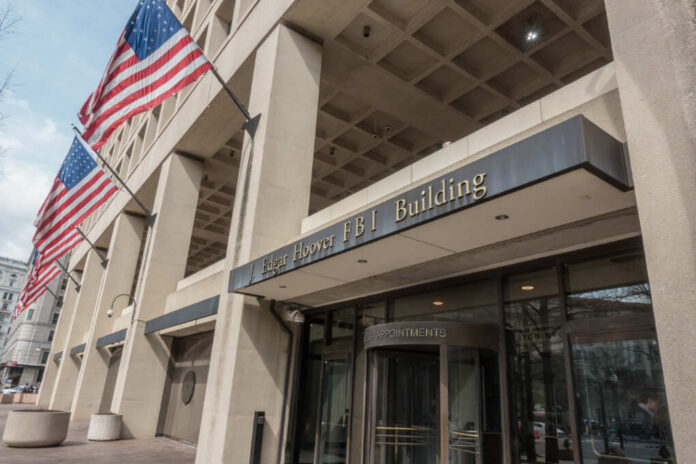
On November 8, 2025, the Carnival Horizon returned to Miami after a six-night Caribbean voyage that ended in tragedy for one family. Anna Kepner, an 18-year-old recent high school graduate with military aspirations, died under undisclosed circumstances while at sea. As the ship docked, the FBI boarded and launched an official investigation, immediately capturing the attention of travelers and families nationwide. The agency’s rare involvement signals suspicion of unusual circumstances or potential foul play, as routine deaths at sea typically fall under other authorities.
Carnival Cruise Line, operator of the Horizon, issued public condolences and assured cooperation, but has provided few details, citing the ongoing investigation. The FBI’s Miami Field Office has similarly withheld specifics, confirming only that an active investigation is underway and refusing to elaborate on the cause or circumstances of Anna’s death. This lack of transparency has left both the Kepner family and the broader public frustrated and searching for answers, especially as high-profile deaths at sea often generate concern about passenger safety and corporate accountability.
🇺🇸 Anna Kepner, 18, died aboard the Carnival Horizon cruise ship on Saturday, November 8, 2025, during a voyage from Miami to the Caribbean.
The FBI is investigating, and hasn't released any information regarding her death.Her family described her as a bubbly, straight-A… pic.twitter.com/Rx3RL8aN4Q
— Info Connect (@infoconnectnow) November 10, 2025
Legal Complexities and the Death on the High Seas Act
The incident occurred in international waters, placing it under the Death on the High Seas Act (DOHSA), a federal statute designed to govern legal proceedings for deaths occurring beyond three nautical miles from U.S. shores. This law creates a complicated legal environment for families seeking justice, as it sets specific parameters for compensation and often requires federal involvement when foul play is suspected. Maritime law experts note that FBI investigations of deaths at sea are relatively rare and typically indicate suspicion of criminal activity, not natural causes or accidents.
Past cases have shown that cruise ship deaths frequently trigger confusion about legal jurisdiction, with multiple authorities—including federal agencies and international entities—potentially involved. The Kepner case, with its invocation of DOHSA and direct federal investigation, underscores the challenges faced by American families in seeking transparency, accountability, and justice when tragedies occur far from home.
Stakeholders and Industry Implications
Anna Kepner’s family has become central to the public narrative, sharing her background and aspirations as they demand answers and accountability. Carnival Cruise Line, for its part, is walking a tightrope: balancing crisis response, cooperation with law enforcement, and the preservation of its reputation as a safe provider of leisure travel. The FBI, as lead investigator, holds considerable authority but also faces pressure to conduct a thorough and transparent probe that reassures both the family and the public.
Other passengers and crew have been identified as potential witnesses, and their cooperation could prove crucial in determining what happened. Meanwhile, the entire cruise industry is watching closely, as the outcome may drive policy changes regarding passenger safety, reporting protocols, and legal cooperation between cruise lines and federal authorities.
Ongoing Uncertainty and Demands for Transparency
As of November 11, 2025, the FBI investigation remains open, with no new details released about Anna Kepner’s cause of death or the events leading up to the tragedy. The lack of information has fueled speculation and concern among not only the victim’s family but also the wider public, who expect clear answers and accountability when an American citizen dies under mysterious circumstances abroad. The case has reignited debate about the adequacy of safety and legal protections for U.S. travelers on international cruises, and whether current laws and industry practices do enough to safeguard their rights and lives. Until authorities provide concrete answers, frustration and skepticism will likely persist, along with calls for stronger oversight and transparency in both the cruise industry and federal investigations.
The investigation into Anna Kepner’s death serves as a stark reminder of the jurisdictional gaps and legal hurdles Americans face when tragedy strikes far from U.S. soil. It underscores the ongoing need for vigilance, reform, and accountability to protect the safety, rights, and constitutional guarantees of American citizens—no matter where they travel.
Sources:
Carnival Horizon death: FBI investigating passenger’s death aboard Carnival cruise ship
FBI investigating passenger death aboard Carnival cruise ship after return to Miami
FBI Investigates Death of 18 Year Old Anna Kepner Aboard Carnival Horizon
Passenger who died on Carnival cruise ship identified as 18-year-old Florida woman
Titusville teen dies aboard Carnival ship, FBI handling investigation