
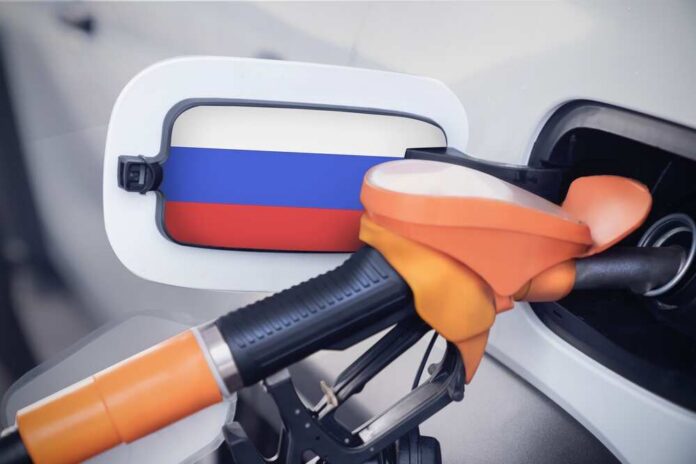
Russian governors are insisting “everything is fine” at the pump while ration cards, closed stations, and long gas lines tell a very different story.
Story Snapshot
- Russian regional leaders deny any “fuel crisis” even as rationing and purchase limits spread.
- Gasoline shortages now hit multiple Russian regions and occupied Crimea, with some stations running dry.
- Drone strikes on refineries and supply routes expose how fragile big energy systems are in wartime.
- The gap between what people see and what officials say echoes deeper fears about distant, unaccountable elites.
Russian officials insist there is no nationwide fuel crisis
Russian governors are moving fast to calm public fears, saying talk of a fuel crisis is overblown and limited to a few problem spots.[1] Leningrad region governor Alexander Drozdenko told reporters that fuel deliveries are “according to plan” and that complaints do not match the “overall situation.”[1] Moscow officials also stress that the domestic market is well supplied and the fuel industry is “fully prepared” for seasonal demand, even as media outlets track growing limits on gasoline sales in different regions.[4]
Russian state-aligned newspapers echo this line, blaming any local problems on “unscheduled repairs” at refineries rather than a deeper shortage.[4] Officials also point to export bans and other controls as proof they are protecting supplies at home.[7] On paper, refinery output nationwide has dropped only a small amount compared to last year, which the government uses to argue there is no structural collapse. Instead, leaders frame the trouble as a temporary logistics issue that can be fixed with rail shipments and backup capacity.[3][7]
Rationing, closed stations, and price spikes paint a harsher reality
Independent reporting from Russian regions and occupied Ukrainian territories shows something people on the ground can feel: rationing and shortages are spreading.[1][3] In Crimea and the city of Sevastopol, Kremlin‑installed leaders capped drivers at 30 liters of gasoline per fill‑up because many stations were running out.[3] Business outlets say about half of the peninsula’s stations stopped selling gasoline at one point, while prices jumped 40 to 50 percent since the start of the year.[3] Local social media shows long lines, frustration, and drivers sleeping in cars to keep their place.
Russian and exile journalists report similar stories far from Crimea. A review of Russian newspapers notes “the number of Russian regions with restrictions on the sale of fuel is multiplying,” with limits on popular AI‑95 gasoline in areas like Kostroma and Tver, and problems in the Murmansk and Magadan regions.[4] A separate report from the independent outlet Meduza quotes managers of private gas station chains, which handle about 40 percent of Russia’s fuel sales, saying they can no longer restock at all after refinery outages and market changes.[6] One described the situation bluntly: “There’s no fuel — none at all.”[6]
Drone strikes and “unscheduled repairs” strain Russia’s wartime energy system
Russian and Western sources tie much of the disruption to Ukrainian drone attacks on oil refineries and key transport routes.[1][7] A detailed account of the 2025 Russian fuel crisis says strikes on refineries cut output of refined products across the industry and forced the government to ban or restrict gasoline exports several times.[7] Reports say that on some days, attacks reduced refining by about one‑fifth and cut exports from major ports, pushing more stress onto the domestic market as well. Russian papers, in turn, talk about “unscheduled repairs” that sidestep who caused the damage.[4]
Government responses show how serious the problem has become, even if officials avoid the word “crisis.” Russia’s Energy Ministry set up an emergency task force as fuel problems jumped from 15 regions to 25, plus six occupied Ukrainian regions, within about a week.[2] In Crimea, occupation officials limited sales to 20 or 30 liters per customer and imposed price caps, while federal authorities ordered oil companies to activate reserve capacity and delay maintenance.[3][7] Moscow also extended its gasoline export ban, a move that protects domestic supply but cuts into hard‑currency earnings from foreign sales.[3][7]
What this means for ordinary Russians — and why Americans should care
Everyday Russians now face the same mix of fear and anger many Americans know from past fuel spikes: long lines, “out of gas” signs, and leaders on television claiming there is no real problem.[1][3] In some regions, people report driving from station to station hunting for fuel or paying far above official prices to resellers.[2][3] That experience widens the trust gap between citizens and officials who seem more focused on saving face than on admitting the scale of the breakdown and fixing it fast.[2][4][6]
🚨 Russia's fuel crisis deepens, rationing spreads across regions.
This threatens Russia's war effort and global oil markets.
🧵👇──────────────────
🛑 **Action & Reality**
──────────────────Governors deny widespread fuel shortages.
Reports…— Rage Against the Piggy banks (@RageBanks) June 13, 2026
For Americans watching from afar, this story is not only about Russia or the war in Ukraine. It is a warning about how fragile complex systems become when they are run from the top down by a small circle of insiders. In Russia, leaders long boasted that energy was their strength. Now, when stress hits, those same leaders rush to control the narrative while drivers sit in gas lines. Many people here feel something similar about our own “experts” and elites, who deny problems like inflation or energy costs until pain at the pump makes the truth impossible to ignore.
Sources:
[1] Web – Russian Governors Rush To Deny Fuel Crisis As Rationing Spreads
[2] Web – Russian Governors Rush to Deny Fuel Crisis as Rationing Spreads
[3] Web – In less than a week, Russia’s gasoline crisis jumped from 15 of its …
[4] Web – Russian-Controlled Crimea Rations Gasoline as Fuel Crisis Deepens
[6] Web – The governor of Sevastopol in Russian-held Crimea said that plans …
[7] Web – ‘No fuel — none at all.’ Independent gas stations in Russia face …