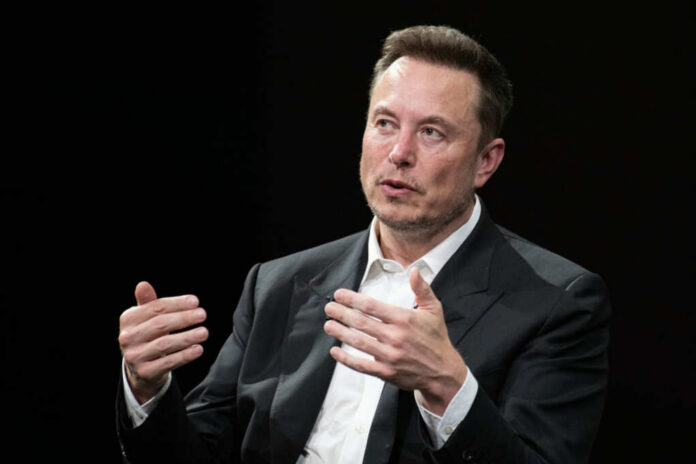
Elon Musk says death is a “human programming issue” and claims longer lives are “not particularly hard” to achieve — a promise that collides with thin public evidence and big social trade-offs.
Story Snapshot
- Musk frames aging as a fixable “program,” with rapid gains ahead.
- He predicts lifespans could nearly double within a decade, aided by artificial intelligence.
- He warns extreme longevity could bring serious social downsides and risks.
- Public proof is scarce; critics point to missed timelines and vague mechanisms.
Musk’s Core Claim: Aging Is a Programmable Problem
Elon Musk argued that aging is more like a programming problem than an unavoidable biological limit. He said people are “programmed to die,” and that longevity or even semi-immortality is “extremely solvable” and “not particularly hard.” He tied that view to using artificial intelligence and new biological tools to rewrite how our bodies age. These comments came in a January interview and spread widely on social media clips and recaps.
Musk also backed a bold timeline for change. He said a significant increase in human lifespan over the coming decade is plausible and expressed agreement with forecasts that lifespans could nearly double. He linked those gains to rapid progress in artificial intelligence. He has predicted that artificial general intelligence could arrive as early as 2026. Supporters see that as the engine to decode aging’s root cause.
Promises Meet Risks: What Happens If People Live Much Longer
While promoting big gains, Musk also warned about social costs. He said reversing aging looks likely in the long run but flagged “serious downsides.” He did not map out how problems might show up or how to manage them. Longer lives could stress pensions, widen wealth gaps, and slow leadership turnover. These concerns match fears on both left and right that elites will benefit first while costs land on working families.
Readers across the spectrum worry about fairness and control. Longer lifespans could raise questions about pension systems, health-care costs, retirement policy, and intergenerational equity. Liberals see risks for equality and access. Both sides fear that a small elite could lock in advantages for decades. If breakthroughs land without a plan for access and safety, faith in public institutions will sink further. Musk’s own warning of “downsides” opens the door to that debate, but concrete policies are missing.
Show Me the Data: Evidence Gaps and Timeline Baggage
Musk has not offered peer-reviewed data to prove that aging is a single “program” that engineers can simply rewrite. He has not named a clear pathway, target gene, or a tested protocol that shifts aging markers in people. Media reports also note Musk’s history of optimistic timelines for technologies such as autonomous driving and robotics, leading critics to caution against treating his longevity forecasts as near-term expectations.
Critics also note confusion between biological longevity and “digital immortality” pitches. Separate stories tie Musk to projects that aim to preserve memories online. That is not the same as living longer in a healthy body. Mixing those ideas muddies the public view and makes hard science sound like hype. For now, the claim that lifespans will “nearly double” stands on statements and interviews, not clinical trials.
What Matters Next: Proof, Partnerships, and Guardrails
Three steps could turn talk into trust. First, release peer-reviewed results that show clear gains in animals or people, like improved aging biomarkers or extended healthy years. Second, launch a formal program with major research centers and set public milestones. Third, publish a policy plan to handle who gets access, how safety is tracked, and how to prevent stagnation at the top. These moves would test the theory and address broad public concerns.
Bottom Line for Citizens and Lawmakers
Leaders should demand transparency on methods, trials, and safety. Policymakers could establish clear standards for testing, transparency, safety monitoring, and equitable access if effective longevity therapies emerge. Voters should watch for real evidence, not just confident timelines. If aging is “programmable,” proof should arrive in labs and clinics. If not, the country should not tilt policy or public money based on celebrity claims alone.
Sources:
zerohedge.com, fortune.com, indiatoday.in, instagram.com, startuparchive.org, facebook.com