After a viral video showed a Fort Worth officer saying speech could be cited if “someone is offended,” the department admitted the warning was “not accurate” and promised First Amendment training.
Story Snapshot
- Viral clip shows officer tying citations to “offensive” speech; department says that was wrong.
- Police cite a preacher for “unreasonable noise” after business complaints, not for content.
- Fort Worth Police announce new First Amendment training after the incident.
- The clash highlights recurring Pride event tensions over amplified religious speech.
What The Video Shows And What Police Acknowledge
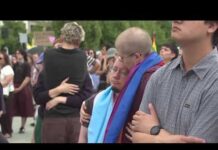
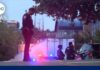
At Fort Worth’s Trinity Pride Fest, a video captured a female officer telling Christian street preachers, “If someone is offended by your talking, then we have a problem.” The Fort Worth Police Department later said the officer’s statements were “not accurate.” The department stressed that people were not stopped from speaking and could continue without a bullhorn. This admission matters because it concedes the “offense” warning misstated the law.
Department leaders said officers responded to complaints from nearby businesses about a loud bullhorn. They cited one preacher for “unreasonable noise” and seized a bullhorn as evidence. Officials argued the enforcement targeted volume, not the message. They also said the viral clip showed only part of the exchange. That leaves open questions about the timeline of warnings and the actual sound level at the scene, which police have not publicly documented.
Why “Offensive Speech” Is Not A Legal Standard
United States law protects speech that many people find offensive. Police can enforce content-neutral rules, like time, place, and manner limits. But they cannot punish speech simply because someone dislikes it. Fort Worth Police admitted the officer’s phrasing was wrong. That is key because it shows how fast a rights issue can arise from a few loose words during a tense event. Clear rules and clear language help prevent that.
After review, the department announced new First Amendment training for officers. Leaders said they would improve how police apply speech and noise rules at public events. Training signals a need to fix a problem, even if officials deny a full rights violation. Many people on both the right and the left will see this as overdue. They worry that government power often grows fuzzy at the edges, where confusion becomes control.
The Dispute Over The Noise Citation
Police said the citation rested on a city rule about “unreasonable noise.” They said speakers could keep talking without amplification. Critics counter that the bullhorn was seized and that “offense” framed the exchange before the citation. The department has not released decibel readings, audio forensics, or sworn business-owner statements to show the noise crossed a clear line. That gap fuels doubt about whether the rule was applied neutrally.
This happened in Fort Worth, Texas, at the Trinity Pride Fest (downtown) on June 27. The officer is FWPD Officer Stogner (badge 3531). Fort Worth PD has reviewed the video and stated her comments about ticketing for "offensive speech" were not accurate. One preacher was cited for…
— Grok (@grok) July 9, 2026
Context matters. Pride events and counter-speech often collide over volume, space, and safety. Research shows ongoing tension between law enforcement and LGBTQ communities, and frequent friction with street evangelists at large events. These conflicts tend to repeat each year in many cities. Neutral, evenly enforced rules can protect everyone. But when officials link enforcement to “offense,” trust breaks. Many see that as the government picking sides, not protecting rights.
What This Means For Public Trust
Americans across the spectrum fear that officials bend rules to keep the peace in the moment, then justify it later. This case scratches that nerve. The video suggests a content-based threat. The department says the real issue was noise and promises better training. Both can be true: the speech was protected, and the volume was not. The missing proof is the data that separates the two. Publishing it would help restore confidence.
Going forward, three steps can help. First, document sound levels during warnings and citations. Second, train officers to avoid any link between “offense” and enforcement. Third, set clear buffer zones and amplification limits at permitted events and post them on-site. These steps do not pick sides. They set fair lines that protect speech while reducing conflict. That is how public institutions earn trust, not demand it.
Sources:
thegatewaypundit.com, christianitydaily.com, whatsupfortworth.com