New York City approved new protest-planning rules for K–12 schools and houses of worship while intentionally excluding colleges and universities from the law’s coverage.
Story Snapshot
- NYC passed a new law ordering police protest plans for K–12 schools and houses of worship, but it explicitly leaves colleges out.
- The first version was vetoed over fears it could curb free speech and cover almost any “educational” site in the city.
- Supporters say the focus must be on protecting children and fighting rising antisemitism in public schools.
- Critics question whether excluding colleges leaves some high-profile protest locations outside the law’s new planning framework.
What the new NYC protest law actually does
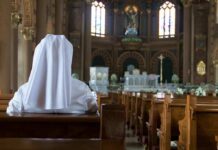
The New York City Council approved the Schools and Houses of Worship Access and Safety Act as part of a larger push to fight hate crimes and keep vulnerable sites safe. The law tells the New York Police Department to create and publicly post response plans for protests that risk blocking entrances, causing injury, or intimidating people at K–12 schools and houses of worship. Police can set security perimeters when needed, but they are also told to preserve the rights to free speech, assembly, and protest. Supporters say the law is intended to balance public safety with constitutional protections for free speech and peaceful assembly.
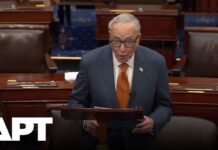
A key change in the revised school bill is what counts as an “educational facility.” In a recent local news segment, Council Speaker Julie Menin said the new version will more clearly define educational facilities as early childhood sites and most K–12 schools, and that colleges, universities, libraries, and teaching hospitals will be “explicitly excluded.” That means the law’s protest planning and possible security perimeters stop at the edge of the school system. Colleges and universities will continue operating under existing laws, campus policies, and standard NYPD procedures rather than the new planning requirements established by this ordinance.
Why the original bill was vetoed
The first version of the school protest bill never became law because Mayor Zohran Mamdani vetoed it in April. He said he was worried about the broad definition of “educational institutions” and the impact on the right to protest. Critics, including civil liberties groups and college unions, warned that early drafts used strict buffer zones and could cover almost any building where teaching happens, from campuses to hospitals and libraries. They feared workers protesting immigration enforcement or college students demanding divestment could be pushed back far from their targets.
Supporters of the original veto argued the proposal’s broad language could unintentionally affect demonstrations at a wide range of educational institutions beyond K–12 schools. In New York, the debate lands in a city already tense over policing, hate crimes, and deep anger about Israel and Palestine. Many residents on both the right and left feel government officials mostly protect themselves and their careers, not the people caught between protest groups and police lines. The veto forced the council to narrow the bill and claim it was now focused only on young students and clear security risks.
Children’s safety, antisemitism, and K–12 protest rights
Supporters of the new law say the clearest need is at K–12 schools, where children cannot simply walk away from conflict. The New York City Bar Association has urged the city to treat rising antisemitism in K–12 schools as a “primary, systemwide priority,” arguing that school leaders and agencies must act together to prevent harassment and threats. At the same time, the New York Civil Liberties Union reminds families that public school students still have free speech rights and can protest as long as they do not substantially disrupt school operations, like blocking entrances or stopping classes.
Existing school safety plans already cover emergencies such as intruders, bomb threats, and evacuations. The new protest law adds another layer: police planning for demonstrations that could intimidate students or turn violent near school doors. Supporters argue that younger students deserve additional protections because they have less ability to avoid disruptive demonstrations than adults on college campuses. For many teachers and civil liberties advocates, it raises a hard question the law does not fully answer: when does “intimidation” become the catch-all excuse to push any loud dissent out of sight?
The college campus gap and why it worries people
While the law tightens rules around K–12 schools, it leaves colleges and universities to handle protests on their own. Federal guidance already tells higher education leaders to build emergency plans and “civil unrest” annexes for campus demonstrations, focusing on safety without shutting down speech. Many campuses use internal policies, drills, and communication plans to manage protests and keep classes running. Recent demonstrations related to the Israel–Hamas conflict have drawn significant attention at universities nationwide, contributing to debate over whether higher education should have been included in the legislation.
The research so far does not include firm data proving that universities are “ground zero” for anti-Israel rallies or that their exclusion from the law has already led to specific security failures. There are no cited New York Police Department incident reports, court filings, or formal testimonies in this record that show clear gaps tied to the law. That missing evidence weakens claims that city leaders deliberately ignored campus safety. Critics argue the exclusion creates different protest-planning standards for K–12 schools and higher education without fully explaining why the distinction was chosen.
Free speech fears, deep distrust, and what comes next
Civil liberties groups like the New York Civil Liberties Union warn that protest buffer zone laws often start narrow and then grow, slowly pushing everyday people further from powerful institutions they want to challenge. Many conservatives and liberals agree on at least one thing here: they worry the government cares more about managing optics than fixing root problems like hate, division, and unequal treatment. Supporters view the law as a targeted public-safety measure, while opponents worry it reflects inconsistent policymaking rather than a comprehensive approach to managing demonstrations.
New York’s approach reflects a wider national struggle over protest, public safety, and trust. Parents want their children safe walking into school, worshipers want to attend services without harassment, and protesters want to be seen and heard near the very institutions they blame. The new law gives the police more formal power near K–12 schools and houses of worship, but it leaves colleges out and leaves big questions hanging. The law’s effectiveness will likely be judged by whether it improves safety around schools while preserving lawful protest rights—and whether similar questions eventually arise about demonstrations on college campuses.
Sources:
nypost.com, council.nyc.gov, nyclu.org, thenation.com, uft.org, governor.ny.gov, nysed.gov, nea.org, nycbar.org, facebook.com, instagram.com, ue.org