
Iran is dragging out peace talks on purpose, betting that rising gas prices will hurt President Trump at the ballot box before Americans vote in two weeks.
Quick Take
- Senior officials say Iran is deliberately stalling negotiations to weaken President Trump before the November 3 midterm elections.
- The war, launched in late February without congressional authorization, has already cost more than $25 billion.
- Iran offered to reopen the Strait of Hormuz within seven days if the United States lifts its blockade and sanctions first.
- Washington wants Hormuz open and nuclear concessions before easing economic pressure, leaving both sides locked in a standoff.
- Trump’s approval rating has dropped to a career low as fuel costs climb heading into the election.
A War Without a Vote, Seven Months On
The conflict began in late February after American and Israeli strikes on Iran, something Trump initially called a four-to-six-week mission. No vote in Congress ever authorized it. Seven months later, the fighting continues with no clear end. The price tag has already topped $25 billion, and the financial and political toll is now spilling directly into the upcoming midterm elections.
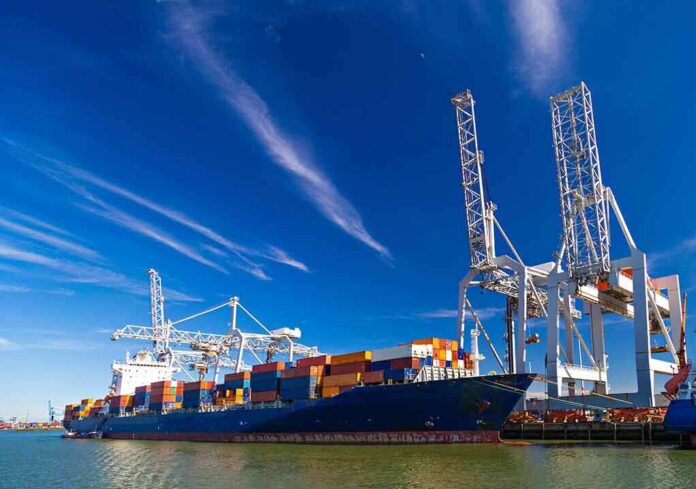
Iran has blockaded key shipping routes since the war started, squeezing global oil supplies and pushing gas prices higher at American pumps. Senior officials tell reporters Tehran is intentionally stretching out negotiations, calculating that pain at the pump will cost Trump politically before voters head to the polls on November 3.
Tehran’s Calculation: Pressure Pays Off Before the Vote
Iran’s leaders reportedly believe higher energy costs make another American military campaign too expensive for Trump to consider politically. Reporting from Tehran suggests officials there “relish” the damage already done to Trump’s standing, even as sanctions and a U.S. naval blockade push Iran’s own economy into severe distress.
Trump’s approval rating has fallen to a career low as the standoff drags on, according to polling cited by international outlets covering the conflict’s political fallout. Rising fuel prices tied to the Strait of Hormuz disruptions are a central driver of that slide, giving Tehran’s strategy of delay real traction among American voters frustrated by costs at home.
Competing Demands Keep the Strait Closed
Iranian Foreign Minister Abbas Araqchi says Tehran will reopen the Strait of Hormuz within seven days if Washington first lifts its port blockade, drops oil sanctions, and ends hostilities on every regional front, including Lebanon. Araqchi insists “not a single gram” of enriched uranium will leave the country under any deal.
Trump has rejected that framing, saying the United States wants substantial limits on Iran’s uranium enrichment and insists Hormuz open before sanctions ease. He has also ruled out allowing Iran to build a nuclear weapon. Washington wants concessions first; Tehran wants relief first. Neither side has moved, leaving talks in the same deadlock officials describe as deliberate on Iran’s part.
A Pattern Decades in the Making
This standoff echoes a playbook both countries have used for decades. Washington leans on sanctions and military signals to build leverage, while Tehran delays and links nuclear issues to broader security demands. That pattern produced the 2015 nuclear deal after years of sanctions, but it has just as often led to confrontation without a lasting settlement, including during the “maximum pressure” campaign after the United States left that deal in 2018.
The State Department confirmed in September that the United States disrupted Iranian proliferation efforts as part of enforcement tied to restored United Nations sanctions, underscoring that economic pressure remains active even as diplomats search for an opening. Qatar has said peace talks continue, though neither Washington nor Tehran has confirmed a breakthrough is near.
What Voters Are Left Weighing
Americans head into the midterms watching a war most never voted to authorize, paying higher prices at the pump because of it, and hearing that a foreign government may be timing its own moves to influence a U.S. election. For voters already skeptical of Washington’s judgment, that combination feeds a deeper worry: that decisions affecting their wallets and safety are being shaped by political calendars on both sides of the ocean, not by a clear plan to end the fighting.
Sources:
foxnews.com, state.gov, nextcenturyfoundation.org, time.com, chathamhouse.org, reuters.com