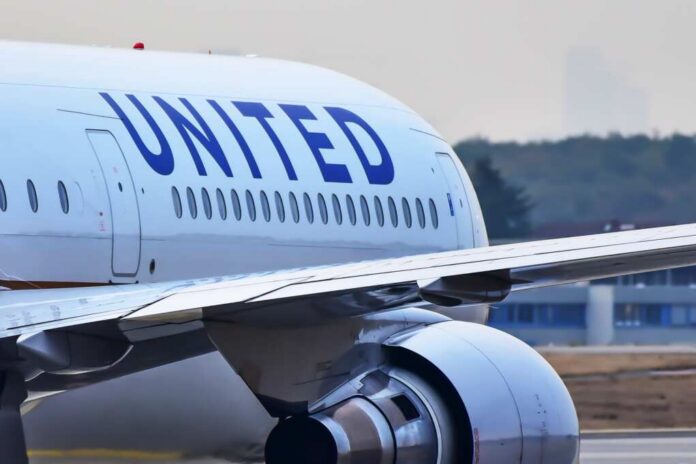
Middle East conflict fallout is forcing United Airlines to slash your flight options while jet fuel costs surge to levels that threaten the entire airline industry’s survival.
Story Snapshot
- United Airlines cutting 5% of flights in Q2-Q3 2026 as Iran War drives jet fuel costs up 58% in just days
- CEO projects oil at $175 per barrel with fuel expenses adding $11 billion annually—more than double United’s best-year profit
- Industry-wide crisis hits Delta, American, and Lufthansa with identical cuts while smaller carriers face potential collapse
- Passengers lose red-eye flights and mid-week service while ticket prices climb despite no employee furloughs
Iran War Triggers Fuel Cost Crisis
United Airlines CEO Scott Kirby announced March 20, 2026, that the carrier will eliminate approximately 5% of scheduled flights during the second and third quarters of 2026 in response to skyrocketing jet fuel prices caused by escalating Middle East conflict. Jet fuel costs more than doubled in three weeks following the Iran War’s onset in early March 2026. Filling a Boeing 737-800 jumped from $17,000 the day before hostilities began to $27,000 by March 5—a 58% surge that devastated airline operating margins across the industry.
Tactical Cuts Target Low-Profit Routes
United’s reductions will eliminate red-eye flights and services on low-traffic weekdays, with a 3% cut specifically targeting off-peak flights. The airline plans to reduce Chicago O’Hare operations by approximately 1% while maintaining its long-term expansion strategy. Kirby explicitly committed to taking delivery of approximately 120 new aircraft in 2026, including 20 new 787s, plus an additional 130 aircraft by April 2028. The carrier expects to restore full scheduling by fall 2026, distinguishing this response from permanent capacity reductions during previous economic downturns.
Oil Price Projections Threaten Industry Viability
Kirby’s planning assumptions project oil reaching $175 per barrel, with prices staying above $100 per barrel through the end of 2027. At current elevated fuel prices, United faces an additional $11 billion in annual jet fuel expenses—a staggering figure that exceeds the airline’s best-year profit of less than $5 billion. This arithmetic exposes how geopolitical instability in distant regions translates directly into economic pressure on American businesses and consumers. The 10 biggest booked revenue weeks in United’s history occurred in the 10 weeks before the announcement, demonstrating strong underlying travel demand that cannot offset the fuel cost explosion.
Smaller Airlines Face Existential Threat
The Association of Flight Attendants warned that carriers with the thinnest profit margins and least flexible supply chains will suffer disproportionately, specifically identifying Spirit and Frontier as most vulnerable. Southwest Airlines abandoned its decades-long fuel hedging practice that would have locked in predetermined fuel prices, leaving it dangerously exposed to market volatility. Scandinavian airline SAS announced plans to cancel 1,000 flights in April alone due to identical fuel cost pressures. This crisis reveals how previous administration’s energy policies and current geopolitical failures create cascading economic consequences for working Americans who depend on affordable air travel.
Industry-Wide Capacity Reductions Spread
Delta, American, and Lufthansa simultaneously implemented identical 5% flight reductions, signaling industry-wide consensus that current fuel economics cannot support existing capacity levels. Passengers face reduced flight options particularly for red-eye and mid-week travel, with constrained supply likely driving ticket price increases despite strong demand. United employees received assurances of no furloughs, though tourism and hospitality sectors brace for potential declines as flight availability contracts. The differential impact across airline segments demonstrates how geopolitical instability and energy market chaos hurt smaller competitors hardest while forcing even major carriers into defensive postures that limit consumer choice and economic growth.
Sources:
United Airlines to Slash Flights by 5% as Soaring Fuel Costs Force Cuts – Business Today Malaysia
United Airlines to Slash 5% of Flights Amid Rising Jet Fuel Costs – Free Malaysia Today