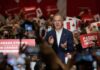
A surprise call from Bill Belichick interrupts ESPN’s live broadcast, challenging media speculation and igniting a debate on media ethics.
Story Highlights
- Bill Belichick allegedly calls into ESPN to address rumors about his future at UNC.
- The call highlights tensions between media narratives and coaching staff.
- Belichick refutes rumors of his dissatisfaction and potential exit from UNC.
- The incident raises questions about media influence and coach-media interactions.
Belichick’s Direct Intervention on ESPN
During a live ESPN broadcast discussing the University of North Carolina’s (UNC) football struggles, a caller identifying as Bill Belichick surprised the hosts by calling in directly. This alleged intervention allowed Belichick to address speculation regarding his role and future with the program, challenging the panel to justify their narrative. This bold move quickly circulated across social media and sports news, sparking a broader conversation about the relationship between media and high-profile figures.
Belichick’s unexpected call highlights the tensions between media narratives and coaching staff, especially amid UNC’s recent performance struggles. The former New England Patriots coach transitioned to UNC to revive its football program, but the team’s underwhelming results have led to increased scrutiny and speculation about his commitment. This incident underscores the pressure faced by coaches and the influence of media narratives on public perception.
"Categorically False."
Bill Belichick firmly denied the rumors of his potential departure from UNC during his Monday morning press conference. ⬇️ pic.twitter.com/byPRf9mdzw
— Keeping It Heel (@KeepingItHeel) October 13, 2025
Unverified Caller Identity Sparks Debate
Despite the widespread reporting of the call as authentic, ESPN has not officially confirmed the caller’s identity. This lack of verification has fueled discussions about the responsibilities of media outlets in managing live broadcasts and the protocols for verifying callers. The incident has also prompted questions about the ethics of media speculation, with some analysts viewing Belichick’s direct intervention as a necessary step to ensure transparency and correct misinformation.
In response to the ongoing speculation, Belichick held a North Carolina press conference where he categorically denied rumors of his dissatisfaction and potential exit. He reaffirmed his commitment to UNC, labeling the reports as false. This public statement aimed to stabilize the program and reassure stakeholders, including fans, alumni, and donors, of his dedication to the team’s future.
Implications for Future Coach-Media Interactions
The implications of Belichick’s call extend beyond the immediate media coverage. This incident sets a precedent for how coaches might address rumors and speculation in the future. By engaging directly with media narratives, coaches could adopt a more proactive approach to managing their public image and protecting their teams’ morale. However, this approach also raises questions about the potential erosion of traditional media processes and the challenges of maintaining journalistic integrity.
The broader industry may witness shifts in how media handles live broadcasts, emphasizing the need for clear verification processes to prevent misinformation. As the story continues to unfold, the UNC administration remains silent, standing behind Belichick’s statements as the primary source of information.
Sources:
ESPN report on Belichick’s press conference and denial of exit rumors