Mexico’s public denial of a US-DEA border enforcement partnership exposes a deep diplomatic rift just as the Trump administration pushes for unprecedented crackdowns on illegal immigration and border security.
Story Snapshot
- The DEA announced “Project Portero,” claiming a new U.S.-Mexico anti-cartel partnership.
- Mexico’s president publicly denied any such agreement, stating that only a police workshop had occurred.
- The contradiction highlights persistent mistrust and confusion in U.S.-Mexico security cooperation.
- Diplomatic friction threatens operational effectiveness and could impact efforts to restore order at the border.
DEA’s Project Portero Announcement Sparks Diplomatic Contradiction
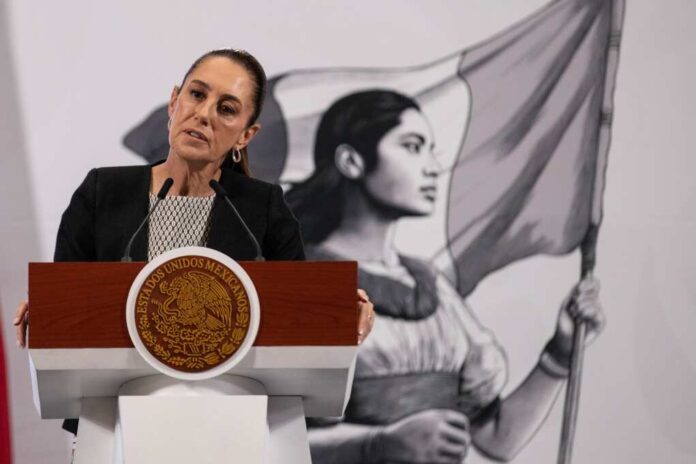
On August 18, 2025, the U.S. Drug Enforcement Administration (DEA) announced “Project Portero,” describing it as a major new bilateral initiative with Mexico to target cartel “gatekeepers” controlling illicit trafficking routes at the border. The DEA framed this as a breakthrough in cross-border cooperation, aiming to dismantle cartel command-and-control structures responsible for the ongoing synthetic drug crisis. However, only hours later, Mexican President Claudia Sheinbaum categorically denied the existence of any agreement, stating Mexico had not entered into any formal arrangement with the DEA and that its police merely attended a workshop in Texas. This immediate contradiction between Washington and Mexico City has brought to light ongoing tensions and miscommunication that have long plagued joint security efforts at the border.
🚨 La DEA lanza el “Proyecto Portero”
Busca desmantelar a los “guardianes” de los cárteles que controlan el contrabando en la frontera.
México niega que exista una operación conjunta, solo un programa de capacitación en Texas.
La información en #HechosMeridiano con @BravoLucy pic.twitter.com/nqqFifwDhh
— Fuerza Informativa Azteca (@AztecaNoticias) August 19, 2025
Such conflicting public statements from the U.S. and Mexican governments have become a recurring theme in cross-border security operations. While the DEA and U.S. officials seek expanded cooperation to combat the surge in fentanyl and other synthetic drugs—supplied primarily by Mexican cartels—Mexico’s leadership remains protective of national sovereignty. Sheinbaum’s insistence that “no agreement” exists is not just a diplomatic nuance; it stems from a history of mistrust, with Mexican administrations historically wary of U.S. federal agencies operating on their soil. This stance resonates with Mexican voters but raises serious concerns for American communities suffering from cartel-driven crime and the drug epidemic.
Border Security and the Struggle for Control
The timing of this dispute is critical. It comes just months after President Trump’s return to office and his administration’s renewed focus on border security and restoring law and order. With the border crisis and cartel violence still a fresh topic of discussion for many Americans, the lack of a united front between the U.S. and Mexico threatens to erode hard-won gains. The DEA’s strategy to target cartel “gatekeepers”—those who manage vital trafficking corridors—makes operational sense. Yet, without genuine Mexican collaboration, these efforts are likely to be stymied by legal barriers, limited intelligence sharing, and the ever-present risk of political fallout. Cartels, sensing discord between the two governments, may exploit these gaps to strengthen their grip on border regions, putting American families and border communities at further risk.
Recent history compounds the challenge. The extradition of 26 cartel suspects from Mexico to the U.S. in the days leading up to the DEA announcement signaled some cooperation, but the immediate public denial from Mexico’s top leader suggests that these gestures may be more transactional than strategic. Both countries face intense domestic pressures: the U.S. over the opioid and crime crises, Mexico over the defense of sovereignty and public safety.
Implications for U.S. Policy and Conservative Priorities
This episode brings into sharp focus the ongoing battle over the U.S. government’s ability to secure its own border and protect its citizens from foreign criminal organizations. For conservatives who have long warned of the dangers of globalism, government overreach, and foreign entanglements, the mixed messages from both capitals are deeply troubling. The failure to achieve genuine, enforceable cooperation with Mexico not only emboldens cartels but also undermines public confidence in Washington’s promises to restore border security and uphold the rule of law.
The broader impact is likely to be felt in border communities, law enforcement circles, and among the millions of Americans alarmed by the continued flow of drugs and crime. Unless both governments can align their priorities and speak with one voice, operational chaos and political friction will persist. For those who demand real results and accountability, this latest episode serves as a stark reminder: border security cannot be outsourced, and America must remain vigilant against any agenda that weakens its constitutional rights or threatens its families.
Sources:
Mexico’s president denies DEA announcement of new US-Mexico border enforcement collaboration
DEA press release: Project Portero anti-cartel initiative
DEA on Instagram: Announcement of Project Portero
DEA: Bilateral operations and anti-trafficking efforts
WLRN: Mexico’s president denies new DEA partnership against cartels