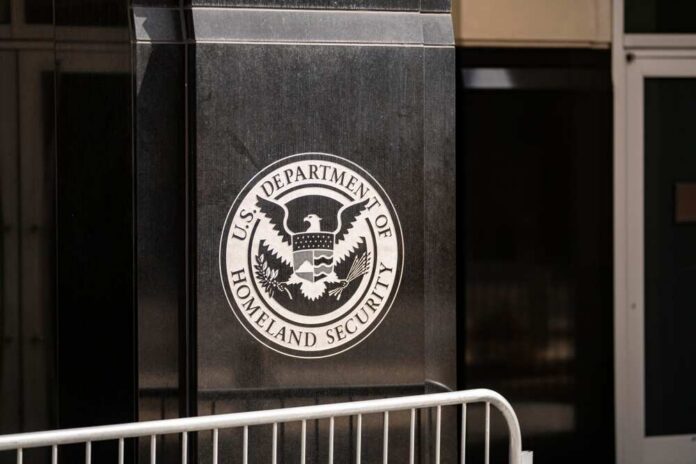
A Department of Homeland Security watchdog probe is examining claims that Corey Lewandowski steered contracts and sought payments from vendors tied to those deals.
Story Snapshot
- The Department of Homeland Security inspector general is investigating contract handling tied to Corey Lewandowski and former secretary Kristi Noem.
- Contractors told White House officials they were asked to pay Lewandowski to protect or expand their deals, according to prior reporting.
- Lawmakers have demanded records and disclosures as questions mount about Lewandowski’s role and influence.
- The case highlights long-running risks in federal contracting when unofficial advisers wield power without clear oversight.
What Investigators Are Probing
The Department of Homeland Security inspector general opened a broad review of how contracts were solicited and managed when Kristi Noem served as secretary, and how Corey Lewandowski influenced those actions. Investigators are looking at whether vendors faced pressure to make payments and whether any awards or renewals broke rules. The review could lead to administrative action or a criminal referral if they find evidence of fraud, bribery, or false statements. The inspector general has not issued final findings.
Earlier reporting said several Department of Homeland Security contractors told senior White House officials that they were asked to pay Corey Lewandowski to protect or expand their contracts. One account described a discussion with a major detention contractor during the transition period. Lewandowski and allies have denied having approval power over contracts in public statements. Those denials, and any written guidance on his status, are likely to factor into investigators’ interviews and document requests.
Why Lewandowski’s Status Matters
Public records and press statements have described Lewandowski as a close adviser to the secretary and, at times, as a special government employee, which is a limited, temporary role subject to strict conflict rules. If he acted as a decision-maker or a gatekeeper while outside the formal chain, that would raise red flags. Federal Acquisition Regulation rules bar gratuities, kickbacks, and conflicts of interest in procurement and require officials to report suspected violations to contracting officers. Clear titles and disclosures help prevent shadow influence.
Lawmakers from the minority on the House Oversight Committee have pressed for Lewandowski’s financial disclosures and communications to clarify whether he had outside income, potential conflicts, or exceeded special government employee limits. A separate press push targeted records about large media and detention contracts questioned during Noem’s tenure. These efforts do not prove wrongdoing, but they show sustained concern about opaque roles, contractor access, and whether normal procurement checks worked as designed.
What Is at Stake for Taxpayers and Contractors
Federal contracting runs on open competition, written rules, and documented evaluations so taxpayers get fair value and vendors know the process is not rigged. When an unofficial adviser can signal who wins or loses, both sides lose trust. If investigators confirm pay-to-play behavior, companies could face suspension or debarment, and officials could face discipline or prosecution. If they do not, the department will still need to show how it will prevent informal power from shaping billion-dollar decisions next time.
People across the political spectrum worry that insiders bend rules while regular citizens and small firms get shut out. Conservatives see unaccountable figures gaming the system. Liberals see favoritism that widens the gap between the well-connected and everyone else. Both views point to the same problem: a system that often protects titles and careers more than results. Strong documentation, transparent roles, and fast action on credible tips are basic steps that can rebuild trust.
What to Watch Next
Watch for whether the inspector general refers any findings to the Department of Justice, issues management alerts, or recommends suspensions. Look for whether the department tightens who can meet vendors, logs adviser contacts, and posts more contract data in real time. Track whether Congress, even in the minority, secures key records. Prior cases show that reforms often follow headlines. The test now is whether leaders choose sunlight over spin and fix the incentives that failed.
Sources:
nypost.com, nbcnews.com, cnn.com, clearinghouse.net, facebook.com