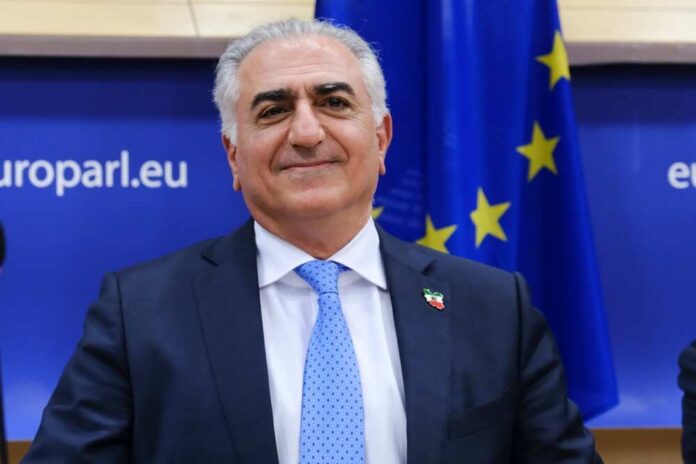
Reza Pahlavi, the exiled son of Iran’s last Shah, has declared President Trump’s military strikes against the Islamic Republic a form of “humanitarian intervention” aimed at liberating the Iranian people from decades of brutal oppression.
Story Snapshot
- Exiled Iranian Crown Prince Reza Pahlavi praises Trump’s strikes as humanitarian aid targeting regime apparatus, not Iranian civilians
- U.S. military operations have degraded Iranian nuclear facilities and IRGC infrastructure following coordinated strikes with Israel
- Trump frames mission as supporting Iranian freedom movement amid regime crackdown that allegedly killed 32,000 protesters
- Iranian regime retaliates with strikes on civilian targets while dismissing international calls for regime change
Pahlavi Frames Strikes as Liberation Effort
Reza Pahlavi issued a statement distinguishing Trump’s military operations from attacks on Iran itself, characterizing them as targeted assistance against the regime’s “repressive apparatus” and “machinery of slaughter.” The exiled opposition leader urged Iranian civilians to “return to the streets” for what he described as a final push toward victory over the Islamic Republic. Pahlavi’s framing presents a stark contrast to the regime’s narrative, positioning American military action as support for Iranian freedom rather than aggression against the nation. This perspective aligns with conservative principles of supporting liberation movements against authoritarian regimes that threaten regional stability and American interests.
Military Campaign Targets Nuclear Infrastructure
U.S. airstrikes beginning in June 2025 targeted critical Iranian nuclear facilities at Fordow, Natanz, and Isfahan, following Israeli operations that commenced June 13. The coordinated campaign aimed to degrade Iran’s nuclear weapons development capabilities and neutralize missile threats. President Trump credited these operations with enabling the Gaza peace deal reached in October 2025, arguing the strikes removed a destabilizing force from regional negotiations. Israeli Prime Minister Benjamin Netanyahu reinforced this assessment, stating the operations prevented Iran from developing atomic weapons. The military action represents a decisive shift from previous administrations’ reliance on diplomatic negotiations that consistently failed to curb Iran’s nuclear ambitions.
Trump Backs Iranian Freedom Movement
President Trump characterized the military campaign as supporting Iranian protesters facing deadly regime crackdowns, with administration claims citing 32,000 deaths from government suppression. Trump declared this the “hour of freedom” for Iranians, acknowledging potential U.S. casualties in what he termed a “noble mission” for future security. The administration deployed substantial military assets including the USS Ford carrier group to the Mediterranean, positioning forces for Tomahawk missile strikes against IRGC installations. Trump’s direct support for regime change marks a return to American leadership willing to confront tyrannical governments, contrasting sharply with prior weak-kneed approaches that emboldened Iranian aggression through appeasement and cash payments.
Regime Responds With Civilian Targeting
Iranian forces retaliated by allegedly bombing a girls’ school in Minab, killing 53 students according to regime claims, though independent verification remains unavailable. Iranian Foreign Minister Abbas Araghchi dismissed international regime change efforts, claiming widespread domestic support despite visible protests. The regime’s willingness to target children exposes the brutality Pahlavi referenced in his humanitarian intervention comments. Meanwhile, UN Secretary-General António Guterres called for de-escalation, and EU personnel evacuated the region amid escalating tensions. The contrasting responses highlight the fundamental divide between those supporting Iranian freedom and international bureaucrats more concerned with stability than liberty.
Military analysts from CSIS assessed that current U.S. force positioning supports punitive strikes against IRGC and nuclear targets but lacks sufficient special operations and ground units for comprehensive regime change operations. The deployment enables cruise missile strikes with estimates ranging from 150 to 250 Tomahawk missiles targeting regime infrastructure. This strategic limitation underscores the campaign’s focus on degrading regime capabilities while empowering internal opposition movements rather than direct American overthrow of the government. The approach respects constitutional constraints on military engagement while supporting those fighting for freedom, a balance reflecting conservative principles of limited but decisive intervention when American interests and human liberty align against totalitarian threats.
Sources:
CBS News: Live Updates – Israel, U.S. Attack Iran; Trump Says Major Combat Operations
Iran International: Trump Credits Iran Strikes with Gaza Peace Deal
CSIS: U.S. Military in the Middle East – Numbers Behind Trump’s Threats Against Iran