

The enduring effort to identify 9/11 victims’ remains continues to challenge forensic science and test the patience of grieving families.
Story Overview
- Over 1,100 victims remain unidentified, nearly 25 years after 9/11.
- Advanced DNA technology aids ongoing identification efforts.
- The World Trade Center Repository serves as a dignified resting place.
- OCME continues outreach and technological advancement.
Ongoing Identification Efforts
Since the September 11, 2001 attacks, the New York City Office of Chief Medical Examiner (OCME) has been working to identify victims using evolving DNA technology. Despite considerable efforts, over 1,100 victims—about 40% of those killed at the World Trade Center—remain unidentified. The OCME has achieved 1,653 identifications so far, with the most recent advancements occurring in August 2025.
Nearly 24 years after 9/11, three more 9/11 victims have been identified through the tireless efforts of New York City's Office of Chief Medical Examiner. As the anniversary of the attacks nears, we extend our deepest gratitude to the OCME for this enduring commitment to all the… pic.twitter.com/uFkXHEXZh1
— 9/11 Memorial & Museum (@Sept11Memorial) August 7, 2025
The process is rooted in scientific and ethical commitments, with the OCME employing cutting-edge methods to analyze highly degraded remains. The task is monumental, involving the recovery of nearly 20,000 human remains from Ground Zero, many of which were severely fragmented. Advances in DNA extraction and amplification have facilitated identifications from smaller samples.
Watch;
The Role of the World Trade Center Repository
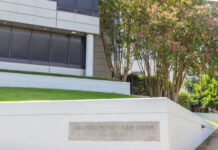
The World Trade Center Repository, managed by the OCME, is a unique facility located at the bedrock beneath the Memorial. It serves as a dignified resting place for unidentified remains and is accessible only to staff and families. This repository not only honors the memory of those lost but also provides a focal point for ongoing identification efforts. Families can request remains at any time, reinforcing the compassionate approach of the OCME.
Mayor Eric Adams and Chief Medical Examiner Dr. Jason Graham have reiterated the city’s dedication to this process. The OCME’s work is a profound intersection of science, ethics, and public memory, with significant implications for the families involved and for the broader field of forensic science.
Advancements and Implications
In August 2025, OCME announced the identification of three additional victims, made possible by improvements in DNA technology and continued outreach for DNA reference samples. This effort highlights the OCME’s commitment to providing closure for families and advancing forensic science. The ongoing identification process serves as a model for disaster victim identification worldwide, setting new standards and offering valuable lessons for future mass casualty events.
The forensic and scientific communities continue to gain invaluable experience from this ongoing process. As each new identification is made, it reopens public discussions about the legacy of 9/11 and underscores the importance of sustained scientific effort in the face of adversity.
Sources:
ABC News: 3 Additional 9/11 Victims Identified by New York Chief
CBS News: NYC Medical Examiner Still Identifying September 11 Victims’ Remains
PubMed: Identifying Remains: Lessons Learned from 9/11
NYC.gov: World Trade Center Repository
National Institute of Justice: Identifying Remains: Lessons Learned from 9/11