When a sitting lieutenant governor calls to ban Muslim prayer broadcasts, it turns a local noise gripe into a national test of religious freedom and who really controls public life in America.
Story Snapshot
- Indiana Lieutenant Governor Micah Beckwith is urging a ban on mosques broadcasting the Muslim call to prayer over loudspeakers.
- His comments build on earlier statements saying he “hates Islam” and calling it a “demonic death cult,” sparking civil rights backlash.
- Muslim and interfaith groups say a ban would violate the First Amendment and target one faith while leaving church bells untouched.
- The fight highlights a wider struggle over public religion, minority rights, and whether leaders use culture wars to dodge real problems.
What Beckwith Said And Why It Matters
Indiana Lieutenant Governor Micah Beckwith has moved from harsh words about Islam to a concrete policy demand. In a June 2026 interview on a conservative podcast, he argued that mosques should not be allowed to broadcast the Muslim call to prayer over loudspeakers. Soon after, he backed that up with social media posts calling to ban mosque loudspeaker broadcasts in Indiana and across America. This is not a stray remark. It fits a pattern of statements in which he has framed Islam as dangerous and unwelcome in public life.
Beckwith’s earlier comments set the stage for this latest call. In May 2026, during a Christian political program, he said, “I hate Islam. It’s a demonic death cult,” and urged that Americans be given “permission to hate again.” He later claimed he “loves Muslims” and hopes they convert to Christianity, but he did not withdraw his words about Islam itself. National Muslim advocacy groups and interfaith leaders condemned his remarks, saying they spread hate and fear against a minority faith.
Backlash From Muslim And Interfaith Leaders
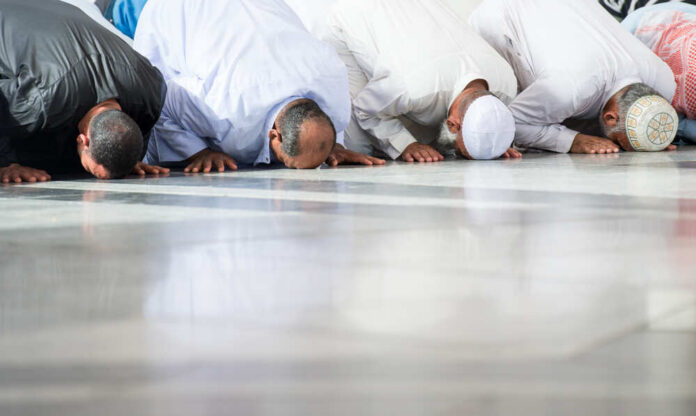
Muslim leaders in Indiana responded quickly, warning that Beckwith’s proposed ban would push their communities further to the margins. A national Muslim advocacy organization criticized his “I hate Islam” comments and linked them to a wider rise in anti-Muslim hate. Local Muslim groups invited Beckwith to visit a mosque and learn about their faith, pointing out that the call to prayer is a short, fixed ritual and not constant blaring noise. They argue his focus on mosques, rather than all amplified religious sound, shows this is about targeting Islam, not protecting neighborhoods.
Interfaith leaders, including some Jewish community figures, also pushed back. They issued a joint statement rejecting his call to “hate” Islam and warning that normalizing hatred toward one faith endangers all faiths. When Beckwith attacked those Jewish leaders for defending Muslims, the dispute grew beyond one policy idea into a deeper question: should top state officials use their platforms to divide faith communities? Civil rights advocates say this kind of rhetoric from someone holding statewide power adds pressure and fear for ordinary worshippers who just want to practice their religion in peace.
What The Law Says About Religious Sound
The legal debate around Beckwith’s proposal is simple on paper but tense in practice. The First Amendment to the United States Constitution bars government from banning the free exercise of religion or unfairly limiting speech. Courts usually treat religious sounds—like church bells or calls to prayer—as protected speech, though cities can set neutral noise rules that apply to everyone. That means a town can limit volume or hours for all loud sounds, but it cannot single out one faith for extra limits.
Recent city moves show how this can work without a ban. In Minneapolis, leaders changed the local noise rules in 2022 to allow amplified Muslim calls to prayer at set times, under the same basic limits that apply to other loud sounds. Hamtramck, Michigan, passed a similar rule allowing amplified calls to prayer and church bells between certain hours, balancing worship needs with neighbor concerns. These examples show one path: regulate noise fairly, instead of banning one group’s worship practice. Legal experts say a direct ban on mosque loudspeakers, especially when church bells remain allowed, would face serious constitutional challenges.
A Bigger Fight Over Who Owns Public Space
Arguments about religious noise are not new, and they rarely are only about sound. Scholars of American religion note that complaints about “religion as noise” often become tools to push unpopular or minority groups out of public space. Across history, officials have used noise rules to limit dissenting faiths, while more familiar Christian practices like Sunday bells pass without much question. The current push in Indiana fits this pattern: the call to prayer becomes a symbol in a larger fight over whether Islam belongs openly in American towns.
For many regular Americans, both conservative and liberal, this story taps into a wider frustration. People see leaders on all sides fighting over culture war topics, while big problems—like wages, health costs, and public safety—remain unsolved. When a lieutenant governor spends time trying to ban a specific religious sound, voters who are tired of elite games may see it as more proof that the system is focused on division, not solutions. At the same time, Muslim families hearing top officials say their worship should be banned may wonder whether the promise of equal freedom still applies to them.
Shared Concerns Across The Political Spectrum
Some conservatives may agree with Beckwith’s criticism of Islam or worry about changing culture, yet still question using state power to ban public worship. Many on the right say they are tired of government overreach and selective enforcement that targets some groups while shielding others. A ban aimed only at mosques would look a lot like the unequal treatment they have long opposed. For them, a fair approach would mean one noise standard that applies to every faith and to non-religious loud sounds too.
Many liberals, meanwhile, view Beckwith’s push as part of a broader attack on minority rights and pluralism. They argue that America’s promise rests on equal protection, even for groups some majority may dislike. Yet here, left and right can find rare common ground. Both worry about a political class that stokes fear and anger rather than tackling core issues. Both see a system where “elites” talk about defending values, but everyday people still struggle. This mosque loudspeaker fight is not only about Islam. It is a fresh reminder that when leaders choose division, it is the people—of every faith and party—who bear the cost.
Sources:
twitchy.com, wfyi.org, indianacitizen.org, instagram.com, facebook.com, acluaz.org, youtube.com, themarginaliareview.com, religioussounds.osu.edu