Congressional investigators allege the Navy’s secrecy and neglect may be risking the lives and mental health of America’s carrier-based aviators, raising urgent questions about transparency, military accountability, and constitutional duty.
Story Snapshot
- House Oversight Committee demands the Navy reveal data on brain injuries and mental health crises among fighter pilots.
- Allegations of suicides and psychological decline linked to risky carrier operations and Navy’s secret research project.
- Congressional scrutiny targets lack of formal oversight and medical investigation for affected aviators.
- Military culture and secrecy are seen as barriers to proper diagnosis, care, and constitutional protections for service members.
Congress Probes Navy’s Handling of Pilot Brain Injuries
In August 2025, the House Oversight Committee, led by Chairman James Comer and Rep. William Timmons, issued a formal letter to Navy Secretary John Phelan demanding all records concerning traumatic brain injuries (TBIs), suicides, and mental health issues among naval aviators since January 2023. Congressional leaders accuse the Navy of failing to understand or address the physical and psychological toll of carrier-based flight operations, including high G-forces, catapult launches, and arrested landings. This probe follows alarming reports of multiple suicides among F/A-18 Super Hornet pilots and the emergence of a covert Navy study, Project Odin/Odin’s Eye, which allegedly launched without formal medical oversight.
Lawmakers are challenging the Navy’s transparency and adequacy in protecting pilots, citing direct testimony from affected aviators and families. These testimonies reveal symptoms consistent with subconcussive brain injuries—insomnia, memory loss, anxiety, and depression—often unreported due to the military’s culture of stoicism and fear of career repercussions. Advocacy groups, including No Fallen Heroes founded by former aviator Matthew “Whiz” Buckley, highlight a pattern of neglect and insist the military’s “mission-first” mentality leaves invisible wounds untreated. Congressional oversight aims to ensure the Navy upholds its constitutional duty to safeguard all service members, not just operational readiness.
We continue to look out for our men and women in uniform who risk their lives for our freedom. 🛫🪖@RepJamesComer and @RepTimmons sent a letter to @SECNAV requesting info to aid our ongoing investigation into brain injuries in Navy F-18 aviators.
Read the letter 👇🏻 pic.twitter.com/AXgYokK4HE
— Oversight Committee (@GOPoversight) August 28, 2025
Risks Unique to Carrier-Based Naval Aviation
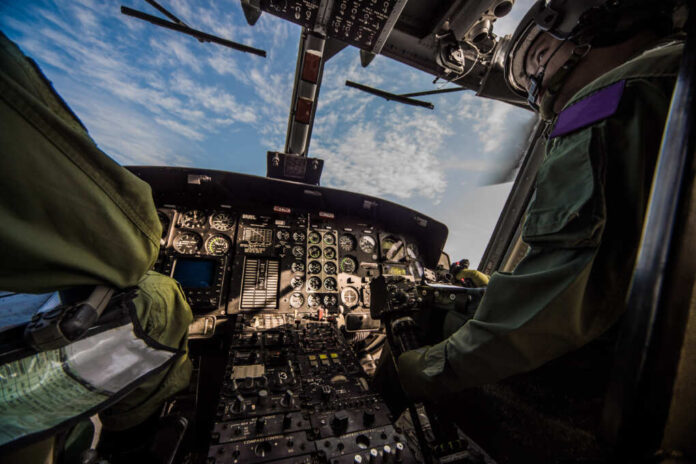
Carrier-based aviators face extreme and repeated physical forces. Rapid acceleration during catapult launches and abrupt deceleration in arrested landings expose pilots to high G-forces and subconcussive impacts not typically encountered in other military branches. Medical experts now warn that such exposures can cause cumulative brain injuries, leading to cognitive dysfunction and mental health decline. While TBIs from combat blasts have received attention in the past, the Navy’s risks—unique to its operational environment—have only recently become a focus, partly due to increased suicides and public testimony. The military’s ingrained reluctance to report symptoms further complicates accurate diagnosis and treatment.
Historical congressional investigations have previously addressed TBIs and PTSD in ground combat veterans, but this new probe targets the Navy’s internal handling, secrecy, and lack of medical oversight in aviation-specific cases. The existence of Project Odin/Odin’s Eye, a secret Navy initiative, raises concerns about transparency and whether affected pilots are receiving appropriate medical care or recognition for service-related injuries.
Stakeholders, Transparency, and Constitutional Accountability
Key stakeholders include the House Oversight Committee, Navy leadership, current and former aviators, and advocacy organizations. Congressional leaders possess oversight authority and are pressing the Navy to disclose all documents related to pilot health, suicides, and the secret research project. The Navy, under scrutiny for balancing operational demands with its duty of care, faces mounting pressure from both lawmakers and advocacy groups. Families of affected pilots and veteran support organizations demand recognition and proper post-service care, framing the issue as a constitutional responsibility to protect those who serve.
Congressional oversight seeks not only documentation and transparency but also reforms ensuring that invisible injuries are neither ignored nor minimized. Advocacy groups argue that military secrecy and reluctance to acknowledge brain injuries erode trust, undermine constitutional protections, and may leave service members vulnerable to preventable harm. The investigation’s outcome could set new standards for medical protocols, reporting, and accountability in the armed forces.
The Navy has not publicly commented on the investigation. Meanwhile, the ongoing congressional inquiry and media coverage increase public awareness and pressure for reform. Long-term, these developments could lead to policy changes, improved health care standards, and a cultural shift within military aviation—ensuring that constitutional values of transparency, duty, and care are upheld for all who serve.
Sources:
House Oversight Committee press release
Fox News reporting
Stars and Stripes, New York Times coverage
Medical/academic analysis of TBIs in military aviation
Congressional investigation into TOPGUN and Project Odin/Odin’s Eye