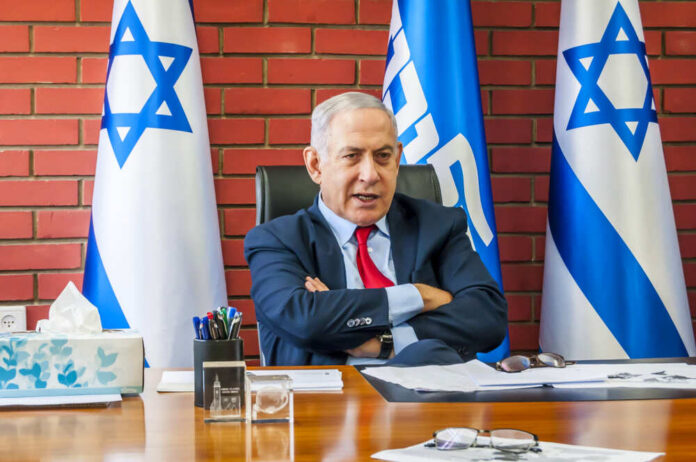
Israeli Prime Minister Benjamin Netanyahu has publicly called for Israel to eliminate its dependence on $3.8 billion in annual U.S. military aid within a decade, signaling a historic shift in the decades-long alliance and raising questions about America’s role in Middle Eastern security.
Quick Take
- Netanyahu proposes phasing out all U.S. military aid to Israel over the next ten years, beginning immediately.
- The proposal aligns with Trump’s “America First” philosophy and could redirect billions in federal spending to domestic priorities.
- Israel’s robust economy and defense industry suggest financial viability, but the move risks weakening deterrence against Iran during an ongoing military conflict.
- The announcement reflects declining American public support for foreign aid and signals Israel’s confidence in achieving strategic independence.
Netanyahu’s Bold Pivot on American Support
During a 60 Minutes interview aired on May 10, 2026, Netanyahu stated that Israel should “draw down to zero” its reliance on U.S. financial support, proposing an immediate start to the phase-out process over the next decade. He framed this independence as essential to Israel’s sovereignty and long-term security strategy. Netanyahu indicated he had already discussed the proposal with President Trump and key Israeli officials, though the announcement appeared to surprise many observers both in Washington and Jerusalem.
The timing of Netanyahu’s statement reflects broader shifts in American politics and public sentiment. With declining U.S. support for foreign aid across both political parties and growing domestic fiscal pressures, Netanyahu’s proposal strategically positions Israel as self-reliant rather than dependent. The move aligns with Trump’s longstanding skepticism toward foreign assistance commitments and his emphasis on prioritizing American interests and resources at home.
Economic Viability and Defense Industry Strength
Israel’s economy, with a per capita GDP exceeding $55,000 and a thriving defense export sector generating approximately $13 billion annually, provides a credible foundation for the proposed transition. Israeli defense firms such as Rafael and Israel Aerospace Industries have demonstrated capacity to sustain and expand domestic production. The country’s technological innovation ecosystem positions it to offset reduced American military assistance through indigenous weapons development and enhanced export capabilities.
The financial mechanics of the transition would require Israel to reallocate approximately $38 billion over the ten-year phase-out period, likely through increased defense budgets funded by taxation, debt instruments, or reallocation of existing government spending. While substantial, this burden remains manageable for an economy generating over $500 billion in annual GDP, particularly given Israel’s demonstrated commitment to defense spending during periods of heightened regional tension.
Strategic Risks and Regional Implications
The proposal carries significant strategic risks amid the ongoing U.S.-Israel military offensive against Iran, now in its tenth week. Reducing American military support during active conflict could signal weakness to adversaries and complicate joint operational capabilities. Iran and other regional actors might interpret reduced American commitment as an opportunity to escalate pressure, potentially destabilizing the region and undermining the effectiveness of current military operations.
"Netanyahu Tells 60 Minutes He Wants Israel to Have ‘Zero’ US Financial Support: ‘It’s Time’" – Mediaite #SmartNews https://t.co/hEMH2qO0g3
— Fact Checker (@Justthefacts007) May 11, 2026
Additionally, the phase-out could establish a precedent affecting other U.S. allies, including Ukraine and Taiwan, who depend on American military assistance. A successful Israeli transition to complete independence might embolden other nations to demand reduced commitments from Washington, fundamentally reshaping America’s alliance structure and global strategic posture. The long-term consequences for American influence in the Middle East and beyond remain uncertain.
Convergence of American Political Interests
Netanyahu’s proposal resonates with both conservative and progressive frustrations regarding American foreign policy priorities. Conservatives, particularly those supporting Trump’s “America First” agenda, view the reallocation of $3.8 billion annually as a victory for domestic resource management. Progressives, concerned about declining American public support for Israeli policies following the Gaza conflict, see potential merit in reducing financial entanglement with Israeli military operations.
The convergence reflects a broader consensus that the federal government often prioritizes international commitments over domestic needs. By framing aid reduction as Israeli-initiated rather than American abandonment, Netanyahu navigates these cross-cutting political pressures while preserving the strategic alliance. The proposal demonstrates sophisticated political awareness of shifting American public opinion and budgetary constraints affecting foreign assistance commitments across the board.
Sources:
Netanyahu U.S. Israel Iran 60 Minutes Transcript – CBS News
Netanyahu Wants to Stop Israel’s Reliance on U.S. Military Aid – CBS News Video