New York City’s catastrophic flooding exposes decades of infrastructure neglect that left America’s largest city defenseless against record-breaking rainfall.
Story Snapshot
- Record rainfall on October 30, 2025 caused deadly flooding across all five NYC boroughs
- Multiple fatalities occurred as aging infrastructure failed to handle the deluge
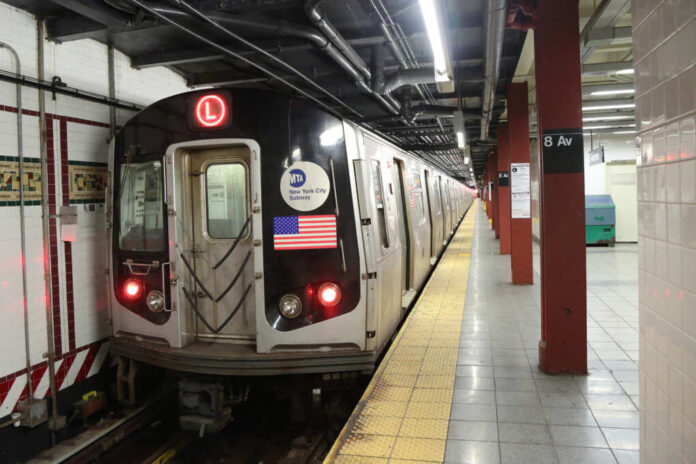
- Subway systems and critical transit networks shut down citywide
- Emergency shelters established for displaced residents as power outages persist
Emergency Response in New York City Highlights System Vulnerabilities
The Metropolitan Transportation Authority’s complete subway shutdown demonstrates how urban density creates catastrophic single points of failure. Emergency services conducted numerous water rescues as streets transformed into rivers, overwhelming the NYPD and FDNY response capabilities. The city’s Office of Emergency Management coordinated disaster response while the Mayor declared a state of emergency, urging residents to avoid non-essential travel. These measures underscore how progressive urban planning has created dangerous dependencies on systems ill-equipped for natural disasters.
Deadly flooding overwhelms New York City with record-breaking rainfall https://t.co/mHKMAFnxjm #usa #feedly
— Music World 360 (@MusicWorld360x) October 31, 2025
Economic Impact Reveals Taxpayer Burden
Property damage estimates reach into the millions while insurance claims surge across affected areas. Small businesses face devastating losses from both property damage and lost revenue, highlighting how government failure directly impacts working Americans. Low-income communities suffered disproportionate harm, often located in flood-prone areas with limited recovery resources. The economic fallout demonstrates how infrastructure neglect becomes a hidden tax on citizens who bear the costs of government mismanagement through higher insurance premiums and reduced property values.
Watch: Deadly flooding overwhelms New York City with record-breaking rainfall
Pattern of Preventable Disasters
This flooding mirrors previous disasters like Hurricane Ida in 2021, which killed 13 New Yorkers and exposed identical infrastructure weaknesses. Despite warnings from Columbia University and CUNY experts about inadequate drainage systems, city leadership failed to implement meaningful upgrades. Federal disaster assistance requests now burden taxpayers nationwide for problems that proper local management could have prevented through responsible infrastructure investment.
Recovery operations continue as floodwaters recede, but the underlying problems persist. Without fundamental changes in spending priorities and government accountability, New York residents will face similar disasters repeatedly while footing the bill for both prevention failures and cleanup costs.
Sources:
https://www.nytimes.com/2025/10/30/nyregion/nyc-floods-brooklyn-basement-death.html
https://www.bbc.com/news/videos/cly9dy9ngeeo