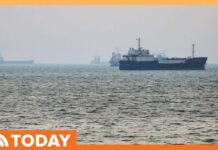
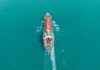
Two U.S. Navy aircraft from the USS Nimitz crashed into the South China Sea within 30 minutes, raising alarming questions about operational readiness.
Story Overview
- MH-60R Sea Hawk helicopter and F/A-18F Super Hornet both crashed within 30 minutes on October 26, 2025
- President Trump suggests “bad fuel” as potential cause, highlighting possible supply chain vulnerabilities
- All crew members safely recovered, but incident exposes concerning operational anomalies
- Navy launches formal investigation into USS Nimitz fuel supply and maintenance protocols
Unprecedented Dual Aircraft Losses Raise Red Flags
The USS Nimitz experienced an extraordinary operational failure when two aircraft crashed independently within a 30-minute window while conducting routine operations. The MH-60R Sea Hawk helicopter from HSM-73 went down first around 2:45 p.m. local time, followed by an F/A-18F Super Hornet on a separate mission. Aviation experts emphasize that such clustered incidents are extremely rare, suggesting potential systemic issues rather than isolated mechanical failures or pilot error.
A fighter jet and a helicopter based off the aircraft carrier USS Nimitz both crashed into the South China Sea within 30 minutes of each other, the Navy’s Pacific Fleet said. https://t.co/zq5he745FE
— FOX16 News (@FOX16News) October 27, 2025
Trump Points to Fuel Contamination Concerns
President Trump publicly speculated that “bad fuel” may have caused both crashes, bringing immediate high-level attention to potential supply chain vulnerabilities. The President dismissed foul play while highlighting the need for thorough investigation into fuel quality controls. This represents a significant departure from typical presidential restraint regarding ongoing military investigations, demonstrating the administration’s commitment to transparency and rapid response to threats against military readiness.
Watch: Navy loses two aircraft from USS Nimitz aircraft carrier within 30 minutes
Navy Launches Comprehensive Investigation
The U.S. Pacific Fleet confirmed both incidents and announced a formal investigation focusing on the Nimitz’s fuel supply and maintenance records. Navy officials have not publicly endorsed President Trump’s fuel contamination theory, referring media inquiries to the White House while conducting their independent analysis. The investigation will examine fuel quality assurance procedures, maintenance protocols, and potential systemic vulnerabilities that could affect other carrier operations across the fleet.
Strategic Implications for Naval Operations
These incidents occurred in the strategically vital South China Sea, where U.S. naval presence serves as a critical deterrent against regional aggression. The timing and location amplify concerns about operational reliability when America needs maximum military readiness. Defense analysts warn that any systemic issues affecting carrier aviation could have far-reaching consequences for power projection and regional security, potentially emboldening adversaries who monitor U.S. military capabilities for signs of weakness.
The investigation’s findings will likely prompt comprehensive reviews of fuel supply chains and maintenance standards across the entire carrier fleet. Patriots should demand full accountability and swift corrective action to ensure such operational anomalies never compromise America’s military superiority again.
Sources:
Bad Fuel May Have Caused Back-to-Back Nimitz Aircraft Crashes: Trump – The War Zone
Navy Probes USS Nimitz Fuel Supply After Crashes, Trump Points to Bad Fuel – USNI News