
Terrorist fronts masquerading as Gaza charities funneled cash to Hamas killers, while North Korean scammers stole American jobs to fund nukes—until President Trump’s Treasury slammed the door shut with crippling sanctions.
Story Snapshot
- U.S. Treasury’s OFAC sanctioned 4-6 sham Hamas-linked charities like Al Weam and Waed Societies, plus individuals tied to military wings.
- North Korean IT fraud networks, generating $800 million in 2024 for WMD programs, hit with sanctions on six individuals and two entities.
- Trump administration officials vow to shield U.S. businesses and legitimate aid from terrorist infiltration and foreign scams.
- Actions expose vulnerabilities from open borders and cheap foreign IT labor that let enemies exploit American companies.
Treasury Targets Hamas Charity Fronts
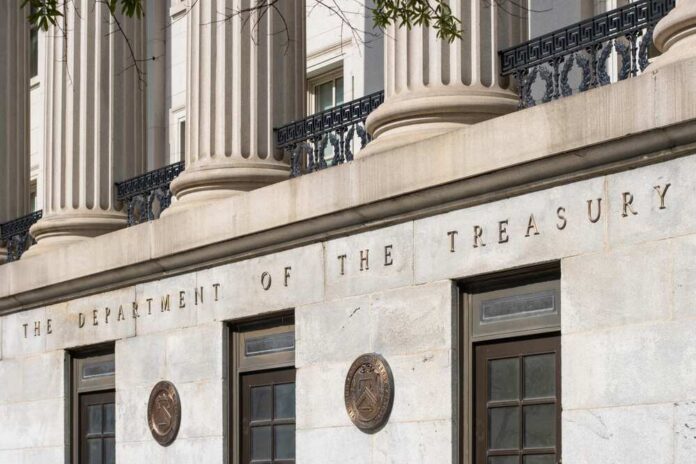
On March 12, 2026, the U.S. Department of the Treasury’s Office of Foreign Assets Control designated four to six Gaza-based organizations as sham charities funding Hamas’s Izz al-Din al-Qassam Brigades and the Popular Front for the Liberation of Palestine. Entities including Al Weam Charitable Society, Waed Society, Al Nur Society, Qawafil Society, and Al Falah Society operated under humanitarian covers. Hamas operative Muhammad Sami Muhammad Abu Marei controlled Al Weam, using seized documents from the October 7, 2023 attack to reveal these ties. These sanctions block U.S. assets and any 50%+ owned entities, disrupting terrorist cash flows that exploited donor sympathy for Palestinian causes. This move safeguards legitimate aid channels long abused by designated terrorist groups.
North Korean IT Scammers Infiltrate U.S. Firms
OFAC simultaneously sanctioned six individuals and two entities in North Korea’s IT worker fraud schemes, which placed DPRK operatives in U.S. and global companies using stolen identities and malware. These operations generated nearly $800 million in 2024, directly funding Pyongyang’s weapons of mass destruction and ballistic missile programs. North Korean actors posed as remote workers, stealing data and funneling earnings back to the regime. Treasury highlighted risks to American businesses from such infiltration, often enabled by demands for cheap foreign labor amid U.S. youth unemployment. Sanctions aim to alert firms and cut off this revenue stream exploiting domestic hiring vulnerabilities.
Trump Administration Officials Speak Out
Treasury Secretary Scott Bessent declared Treasury will not allow Hamas to misuse the charitable sector while protecting U.S. businesses from DPRK malicious activities. Deputy Secretary Michael Faulkender emphasized safeguarding the charitable sector from terrorists like Hamas and PFLP. Under Secretary John K. Hurley stated Hamas shows callous disregard for civilians, and the Trump Administration will not look away. These leaders, driving policy under President Trump, coordinate with allies like the UK and Australia. Prior actions since 2023, including joint designations, built momentum for this dual strike against terror financing.
Impacts on Security and Economy
Immediate asset freezes halt funding to Hamas military wings and DPRK WMD efforts, pressuring operations amid the Gaza conflict and hostage crisis involving U.S. citizens. Long-term, sanctions reduce nonprofit abuse, inform wary donors, and heighten scrutiny on IT hiring practices that undercut American workers. Palestinian civilians face aid disruptions from tainted channels, while U.S. firms avoid fraud and malware risks. Politically, these steps bolster counter-terrorism resolve, expose open border threats allowing terrorist agents, and promote economic security through limited government action against globalist exploitation.
Broader Ramifications for American Priorities
These sanctions underscore Trump administration priorities: defending individual liberty by starving terror networks and upholding family values against groups like Hamas that target innocents. They counter government overreach abroad while addressing domestic issues like illegal immigration enabling infiltrators. By targeting deceptive charities and corporate scams, Treasury protects conservative principles of secure borders and fair labor markets. Unwitting donors and businesses gain clarity, reducing risks from fiscal mismanagement under prior regimes. Ongoing vigilance ensures humanitarian integrity without funding enemies of freedom.
Sources:
U.S. Treasury Sanctions Hamas ‘Charities,’ North Korean Scammers
FDD Analysis: US Treasury Sanctions Entities for Supporting Hamas