
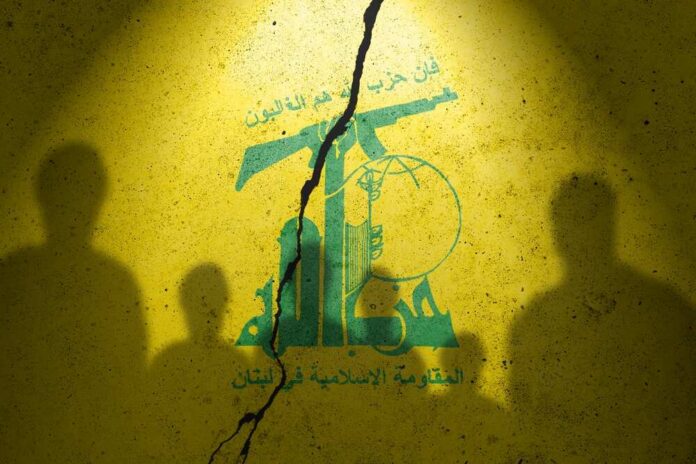
Hezbollah is cheering a deal that may not actually deliver the Lebanese gains it wants, and that gap could shape the next phase of the war.
Quick Take
- Hezbollah chief Naim Qassem said he hoped a United States-Iran agreement would include Lebanon and bring a full halt to fighting.
- Hezbollah also linked the deal to Israeli withdrawal, prisoner returns, and rebuilding in southern Lebanon.
- Public reporting says the agreement’s text was still not fully clear, and one United States official said it did not require an Israeli withdrawal.
- The dispute shows how both sides use vague deal language to claim victory before the final terms are settled.
Hezbollah Frames the Deal as a Win
Hezbollah chief Naim Qassem said he hoped an agreement between Iran and the United States would include Lebanon and end hostilities. He told Hezbollah’s Al-Manar television channel that he expected “a full cessation of hostilities” and said Lebanon should be part of the package[1]. Hezbollah later welcomed the framework as a broad cease-fire across fronts, including Lebanon, while praising Iran for reaching the understanding[2].
That message matters because Hezbollah is trying to turn a regional bargain into local gains. The group said the deal should lead to the liberation of Lebanese land, the return of prisoners, and the rebuilding of damaged areas in the south[2]. In other words, Hezbollah is not just reacting to the Iran talks. It is pushing for the talks to shape the border war with Israel and the future of southern Lebanon.
The Deal Still Leaves Key Questions Unanswered
Public reporting shows the agreement was still incomplete and disputed in important ways. The Associated Press said the proposal remained undisclosed and that officials were offering conflicting readings of what it covered[10]. The same report quoted a United States official saying the deal did not require Israel to withdraw from Lebanon[10]. That cuts against Hezbollah’s hope that the talks would force a full Israeli pullback from occupied areas.
This is where the story becomes bigger than Hezbollah’s celebration. If the text does not clearly bind Israel, then the group’s expected gains may be far less certain than its leaders suggest. Reuters and other outlets reported that Iran was pressing for Lebanon to be included, but they also said the wording was still being finalized[4][6]. That leaves room for all sides to claim progress while the hardest issues stay unresolved.
Why the Ambiguity Matters Beyond Lebanon
The reported deal sits at the center of a wider regional fight over leverage, not just a cease-fire. Analysts in the supplied research say Lebanon has become a test case for whether a United States-Iran understanding can limit Israel’s operations against Hezbollah[19][20]. Israeli officials have already signaled that they do not consider themselves bound by any Lebanon-related clause, which raises the chance of more conflict even if the broader Iran track moves ahead[7][19].
Critiques and Risks
– Economic windfall for the regime: Immediate waivers for oil exports + associated services (banking, insurance, transport). Release of frozen assets/funds usable by Iran's Central Bank. Full sanctions termination (US unilateral, secondary, UNSC/IAEA-related)…
— Lip 🇺🇸 (@Lip_OnX) June 17, 2026
That uncertainty helps explain why the same draft can be sold as a breakthrough and criticized as a trap. Hezbollah sees an opening to claim that Iran forced Lebanon onto the agenda. Israel sees a possible attempt to restrain its freedom of action without clear security guarantees[7][20]. For readers on both sides of the political divide, the deeper lesson is simple: when major powers negotiate behind closed doors, public language often moves faster than real peace.
Sources:
[1] Web – Hezbollah chief hails Iran’s ‘great victory’ after deal with US
[2] Web – Hezbollah chief says hopes for Iran-US deal – The New Arab
[4] Web – US-Iran peace deal on track despite Hezbollah-Israel strikes – The …
[6] Web – US and Iran have agreed to wording of a deal to end their war …
[7] YouTube – US-Iran Talks at a Standstill as Hezbollah Rejects Truce
[10] Web – Hezbollah leader hopes Iran–US deal includes Lebanon – Facebook
[19] YouTube – Expert says structure of U.S.-Iran deal is “fishy”
[20] Web – Lebanon may become first test of emerging Iran-US deal, experts say