
Nine people were shot across Raleigh on the Fourth of July as crowds of thousands of teens overwhelmed popular entertainment districts — and now city leaders are debating whether a curfew is the answer.
Story Snapshot
- Raleigh police reported 9 people shot and dozens arrested during “teen takeover” events at three locations on July 4th weekend.
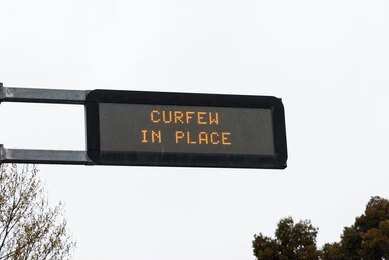
- Mayor Janet Cowell is considering a curfew for those 17 and under, a step other North Carolina cities have already taken.
- Research on curfew effectiveness is mixed — some studies show little impact on crime, while others point to modest reductions in certain offenses.
- Civil rights groups warn curfews are often enforced unevenly and may push crime to different hours rather than stopping it.
What Happened in Raleigh on July 4th
Raleigh police say roughly 3,000 teens gathered at Brier Creek and about 5,000 more flooded the Glenwood South entertainment district on the night of July 4th. Officers called the events “teen takeovers.” By the time the night was over, nine people had been shot across three locations — Brier Creek, Glenwood South, and Capital Boulevard. Dozens of people were arrested. Business owners in both areas say the chaos left them shaken and frustrated.
Mayor Janet Cowell released a written statement calling the violence “heartbreaking” and said Raleigh is “not exempt from the incidents of youth violence that are occurring across the country.” She said city leaders are exploring several responses, including a possible curfew for anyone 17 and under. Raleigh City Manager Marchell Adams-David and Police Chief Rico Boyce joined Cowell for a press conference Tuesday, ahead of a City Council meeting to discuss next steps.
The Curfew Debate: What the Research Actually Shows
North Carolina law allows cities to set curfews for anyone under 18. Fayetteville voted on June 23 to bring back its youth curfew, which bans teens 16 and under from being out between 11 p.m. and 6 a.m. Parents can be fined up to $500 if their child is cited during those hours. The Raleigh Police Department already has a 2026 Summer Action Plan running through August 31, which targets violent offenders and juvenile crime while also funding youth programs like summer camps and mentoring.
The evidence on whether curfews actually work is complicated. A 2024 review by the U.S. Department of Justice’s Office of Juvenile Justice and Delinquency Prevention found “mixed evidence on the effectiveness” of curfews on youth crime. A major review by the Campbell Collaboration looked at over 7,000 studies and found that curfews are largely ineffective at cutting crime during curfew hours — and in some cases, crime went up slightly. In 2017, the Austin Police Department repealed its curfew after finding it had no impact on reducing youth victimization.
Rights Concerns and the Political Reality
Civil rights and youth organizations say curfews punish all young people for the actions of a few. The National Youth Rights Association has called curfews a violation of young people’s rights and says they are “often applied in a discriminatory fashion.” Research from California supports that concern — higher curfew enforcement was tied to more misdemeanor arrests across racial groups, with no consistent drop in actual youth crime. Some also warn that curfews can simply push criminal activity to hours not covered by the law.
Raleigh mayor considers youth curfew following teen takeover, violent July 4th weekend.
Yeah, that'll work….I'm SURE they'll make sure to be in on time.👍🙄https://t.co/YkCvLGg13o— Jannine.. #MagaMemeQueen ™️ 👑🇺🇸 (@janninereid1) July 7, 2026
Despite the research doubts, public support for curfews remains strong — surveys show 80 to 90 percent of Americans back them, including many teens and minority community members. That gap between public opinion and academic findings puts elected officials in a tough spot. They face real pressure to act fast after violent events, even when the tools available have a spotty track record. Raleigh’s leaders will need to weigh short-term reassurance against long-term results — and decide whether a curfew is a real fix or just a visible response to a problem that runs much deeper.
Sources:
nypost.com, wral.com, newsobserver.com, facebook.com, aclu.org, juvjustice.org, abc11.com, pmc.ncbi.nlm.nih.gov