As Japanese World Cup fans quietly cleaned an American stadium, social media turned their respect into a weapon in our own culture war.
Story Snapshot
- Japanese fans again stayed late after a World Cup match in Texas to clean the stands, filling bags with trash and winning praise worldwide.[4]
- This cleanup tradition has appeared at every World Cup since 1998 and comes from lessons Japanese kids learn in elementary school.[2][3]
- Commentary in the United States is turning this simple act into a moral club against “NYC rioters” and other Americans, even though the record here focuses only on Japanese behavior.[1]
- The real story is less about shaming one city and more about how a basic civic habit exposes how far our leaders and culture have slipped on shared responsibility.
What Japanese Fans Did in Dallas, and Why It Matters
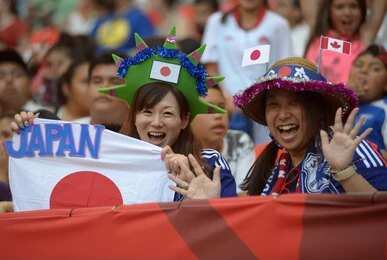
After Japan’s 2–2 World Cup draw with the Netherlands at Dallas Stadium in Texas, Japanese fans did not rush to the exits or start a wild party.[4] Instead, many stayed behind, pulled out blue trash bags, and walked row by row, picking up bottles, food wrappers, and other litter in their section.[4] A local reporter on the scene said they filled several bags even though the stadium did not look very dirty to start.[4] Video of the cleanup quickly spread online, with viewers around the world praising the fans for their calm, steady work.[4]
Reports from past tournaments show this was not a one-time stunt for the cameras.[1] ESPN and the Associated Press say Japanese supporters have cleaned stadium sections at every World Cup going back to 1998.[1][2] They have done it after big wins, tough losses, and even matches where Japan was not playing at all.[1] For them, this is part of what it means to be a fan: you cheer, you suffer, you celebrate, and then you leave the place as clean as you found it.
The Cultural Roots: Respect, “Meiwaku,” and Everyday Training
Japanese scholars say the cleanup tradition is not about public relations, but about a deep cultural rule: do not cause trouble for others.[2] The word often used is “meiwaku,” which means you should avoid creating a mess that someone else has to deal with.[2] There is also a common saying, “Tatsu tori ato wo nigosazu,” often translated as “a bird leaves no trace,” or “return it the way you found it.”[1] These ideas are not limited to sports; they shape everyday life.
According to reporting that quotes Japanese teachers and experts, children in Japan start learning this in grade school.[2][4] Students help clean their classrooms, hallways, and even bathrooms as part of the school day.[2][4] They do not wait for janitors to fix everything at night. Over time, this builds a habit: when you use a space, you also help care for it. By the time these children become adult soccer fans, picking up trash after a match feels normal. It is simply what decent people do in a shared space.[2]
How Viral Clips Become Culture-War Ammunition
Videos of the Dallas cleanup joined many other clips from World Cups in Qatar, Russia, and Brazil that show Japanese fans doing the same thing.[3][5] Social media users responded with praise and amazement, calling them “the cleanest fans in football” and holding them up as a model for the world.[6] But the story did not stop there. Some posts and articles turned the praise into a harsh comparison, saying these polite visitors put “NYC rioters” and messy American fans to shame, even though the available reporting here only documents what Japanese fans did, not what New Yorkers did.[1]
Japanese Fans Earn Global Praise After Cleaning Dallas Stadium Following 2–2 Draw With Netherlands
Japanese football fans once again captured the admiration of the world after their team's thrilling 2–2 draw against the Netherlands at Dallas Stadium on June 14, 2026.
While many… pic.twitter.com/2PZmOOLEr7— torchlightnews (@torchlightnews_) June 15, 2026
This move will feel familiar to many readers on both the right and the left. A simple good deed becomes proof that “our” side cares about order and respect, while “their” side is selfish and destructive. That framing plays into anger about crime, protests, and public disorder in big cities. It also matches the growing belief that ordinary citizens still have a moral core, while the elite class and political media would rather keep people divided than talk about shared standards everyone should meet.
What This Says About America’s Leadership and Civic Standards
The Japanese cleanup tradition hits a nerve in the United States because it highlights something most Americans feel they are not getting from their own leaders: a clear, simple standard of shared responsibility. Many conservatives look at trash-filled streets, vandalized statues, and broken store windows and see proof that past “woke” policies and soft-on-crime attitudes have failed. Many liberals see homeless camps, underfunded services, and unchecked corporate greed and blame a system that protects the rich while letting everything else decay.
Both groups, however, can look at a clean stadium and agree on this much: people should take care of what they use, whether or not the government tells them to. The Japanese example reminds us that respect for public space does not need another federal program, another press conference, or another campaign ad. It starts with what children are taught and what adults model. When leaders in both parties treat public order as just another talking point, they send the message that standards are for photo ops, not real life.
Beyond Shaming New York: A Lesson We Could All Use
The danger in the current coverage is that it turns Japanese fans into a prop in an American argument about “good” and “bad” cities. Some social media comments even drag in British fans or other groups, using crude stereotypes instead of real facts about crowd behavior.[6] That shift lets our own leaders off the hook. They can point to “rioters” or “deplorables” and avoid asking why we do not teach our children to treat parks, trains, and stadiums as shared property that deserves care.
If there is a warning here, it is not that New Yorkers are worse than Japanese fans, or that one party loves trash more than the other. It is that a basic act of cleaning a few rows of seats now looks heroic to the rest of the world. That should trouble anyone who still believes in the old American ideal of neighbors looking out for each other without waiting for orders from Washington. The Japanese fans are not lecturing us. They are simply living by a standard our own leaders stopped defending long ago.
Sources:
[1] Web – Japanese World Cup Fans Showed Respect for America. New Yorkers Showed …
[2] Web – World Cup 2026: Why do Japan fans clean up the stadium?
[3] Web – Why you may see Japanese soccer fans cleaning up the …
[4] YouTube – Japanese fans clean up after World Cup match in Dallas …
[5] YouTube – Japanese fans clean trash at Dallas Stadium
[6] Web – Japan fans clean up stadium at World Cup 🙏 | GOAL