New SNAP restrictions targeting sugary and junk foods ignite a nationwide debate on health versus access.
Story Highlights
- SNAP bans on soda, candy, and junk foods start January 1, 2026, in five states.
- Supporters claim health benefits, while critics worry about stigma and financial strain.
- State-specific restrictions vary, impacting millions of SNAP recipients.
- The Trump Administration’s USDA waivers fuel policy shift, with more states in line for 2026.
SNAP Restrictions Roll Out in Five States
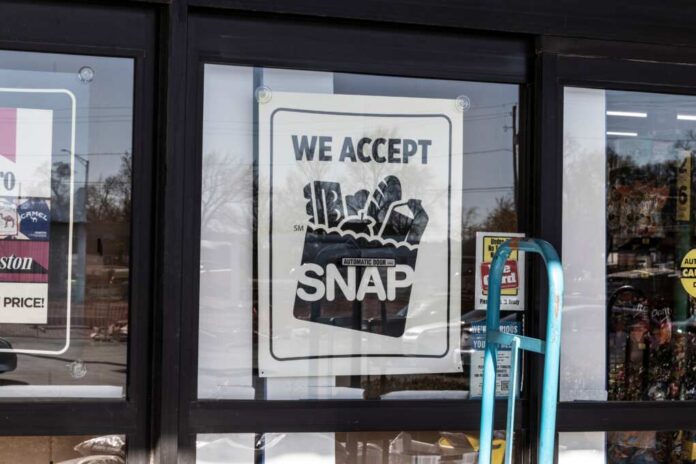
On January 1, 2026, new SNAP restrictions took effect in Indiana, Iowa, Nebraska, Utah, and West Virginia. These states have implemented bans on purchasing soda, candy, and various junk foods using SNAP benefits. Proponents, including the USDA under the Trump Administration, argue these measures will promote healthier choices and reduce obesity rates among low-income families. Critics, however, voice concerns over the potential stigma and added financial strain on SNAP recipients.
The move is part of a broader effort to prioritize nutritional value in taxpayer-funded assistance. The Trump Administration has granted states the flexibility to impose these restrictions through USDA-approved waivers. This initiative follows previous unsuccessful attempts to introduce a national soda ban, underscoring a commitment to reforming SNAP to enhance its nutritional integrity.
Watch:
Diverse State-Specific Implementations
Each state has tailored its restrictions to address local needs. For instance, Indiana targets soft drinks and candy, while Iowa imposes a broader ban on all taxable foods except seeds and plants. Nebraska’s restrictions focus on soda and energy drinks, Utah limits soft drinks, and West Virginia targets soda. These varied approaches reflect the states’ efforts to address specific health concerns within their populations.
The policy shift, while primarily health-driven, poses challenges for retailers who must update their electronic benefit transfer (EBT) systems. This requirement has sparked opposition from grocery chains, which foresee confusion at checkout counters and potential costs for system modifications.
SNAP bans on soda, candy and other foods take effect in five states Jan. 1 @WashTimes https://t.co/u3TtyIwO0O
— Washington Times Local (@WashTimesLocal) January 2, 2026
Future Implications and Reception
As these restrictions take hold, the broader implications remain to be seen. Initially, some SNAP households may experience financial strain if healthier alternatives are more costly. Retailers could face operational challenges, although the long-term goal is to foster a healthier population and reduce healthcare costs associated with obesity.
While the USDA and health advocates champion the initiative, critics argue it could deepen perceptions of food insecurity. The policy’s success and acceptance will likely hinge on public opinion, stakeholder collaboration, and the ability to effectively address any unintended consequences that arise from these restrictions.
Sources:
USDA’s SNAP Food Restriction Waivers