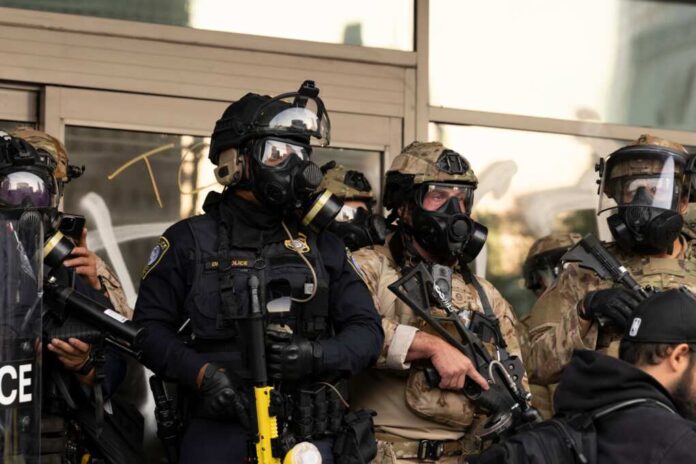
The fatal shooting of Renee Nicole Good by an ICE agent raises serious questions about the erosion of constitutional rights and the potential misuse of force in immigration enforcement.
Story Snapshot
- Renee Good, a Minneapolis mother, was fatally shot by an ICE agent during an immigration operation.
- The incident has sparked protests and a national debate over ICE’s tactics and the use of force.
- The government claims self-defense, while family and community describe Good as a compassionate mother.
- Video of the incident has fueled public outcry and demands for accountability.
Controversial Shooting Sparks National Debate
On January 7, 2026, Renee Nicole Good was fatally shot by an ICE agent in Minneapolis during a federal immigration enforcement operation. The incident has sparked widespread protests and intense public scrutiny. According to the Department of Homeland Security (DHS), the shooting occurred in self-defense after Good’s vehicle allegedly moved toward agents. However, family members and supporters dispute this claim, describing Good as a compassionate mother and community-minded individual.
The shooting has reignited discussions about ICE’s use of force and the role of civilian observers during immigration operations. Viral video footage of the incident has intensified public outrage, with many calling for a thorough investigation into the actions of the ICE agents involved. The video shows an officer attempting to open Good’s car door while another agent stands in front, firing multiple shots when the vehicle moves forward.
Watch:
Competing Narratives and Public Response
There are two dominant narratives surrounding the event. The federal law enforcement perspective, supported by DHS and some media outlets, frames the incident as a lawful act of self-defense against a perceived lethal threat. On the other hand, family members, local leaders, and immigrant-rights advocates question the justification for the use of lethal force on an unarmed civilian. They emphasize Good’s role as a mother, writer, and observer rather than a violent agitator.
The incident has also highlighted the broader issue of ICE’s presence and tactics in U.S. cities. Many community members and activists argue that the case underscores the need for increased oversight and accountability in immigration enforcement operations. Public vigils and protests in Minneapolis have drawn hundreds, despite freezing temperatures, reflecting the community’s demand for justice and transparency.
The Truth Comes Out About 'Minneapolis Mom' Renee Nicole Good – and It Confirms Everything You Suspected https://t.co/hBGuuJ1AyF
— JohnSchlos (@JohnSchloss) January 9, 2026
Impact and Future Implications
The fallout from the shooting could have significant implications for ICE and DHS. There may be increased scrutiny and potential changes in guidelines regarding the use of force and the interaction with civilian observers during operations. In Minneapolis and similar cities, the incident might accelerate policies that limit cooperation with ICE or require notification and coordination when federal raids occur. The case also raises concerns about the chilling effect on civilian observation and activist tactics, potentially prompting formalization of observer programs to ensure safety and accountability.
As investigations continue, the case remains a focal point for debates on immigration enforcement and police accountability. Advocates are calling for clear rules and protections for civilian observers to prevent future tragedies. Meanwhile, Good’s family and supporters are left grappling with the emotional and financial fallout of her death, highlighting the ongoing personal impact of such incidents.
Sources:
Renee Good’s Wife Claimed Minneapolis Shooting ‘My Fault’ – Video Amid Anti-ICE Fury