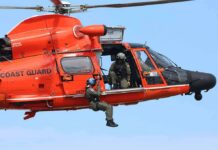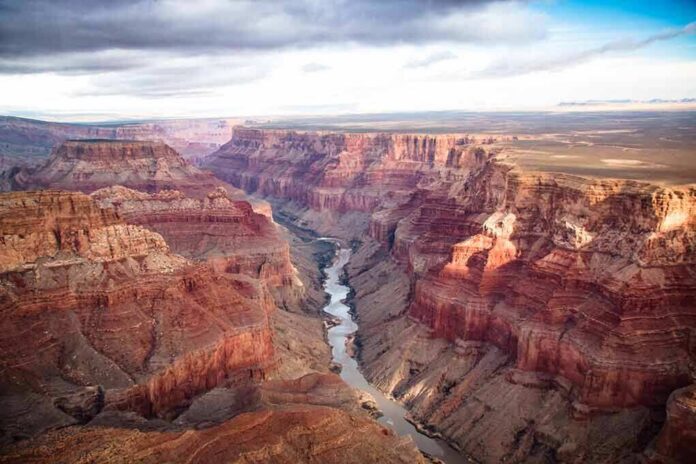
Dozens of people were flown out of the Grand Canyon after sudden flash floods swept through Bright Angel Canyon and the Phantom Ranch area.
Story Snapshot
- National Park Service launched helicopter evacuations after floodwaters rose near Phantom Ranch.
- Officials reported no injuries at first; closures hit Phantom Ranch and the North Kaibab Trail.
- Later counts said at least 62 people were airlifted from the hardest-hit inner canyon zones.
- Rescues followed a Saturday afternoon storm that triggered fast, dangerous runoff.
Flash Flood Triggers Rapid Air Evacuations
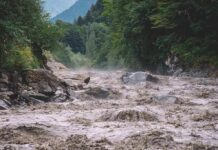
National Park Service officials said flash flooding began in Bright Angel Canyon at about 2:30 p.m. on Saturday. Rangers moved quickly to start air evacuations near Phantom Ranch. The agency said it was flying out about 50 people as floodwaters rose through the inner canyon. At that time, officials reported no injuries. They also closed Phantom Ranch and the entire North Kaibab Trail until further notice to keep people out of harm’s way.
Local and national outlets reported the same core timeline. Reporters tied the flooding to a fast-moving afternoon storm and showed helicopters lifting hikers and other visitors to safety. By Sunday morning, counts rose as crews continued to pull people out of low-lying areas. Coverage showed floodwater rushing through camps and on trail segments, underscoring how quickly conditions changed in the narrow canyon.
Updated Headcounts and Areas Affected
By the next morning, later reports said at least 62 people had been evacuated from Phantom Ranch and the lower North Kaibab Trail. Those numbers came as crews reached more stranded visitors and cleared additional pick-up zones. Some accounts credited National Park Service aircraft and state partners with the airlifts. The shift from “about 50” to “62” reflects an evolving rescue tally across multiple flights, not a dispute over whether evacuations happened.
Arizona media also described an air evacuation of about 50 people from the Phantom Ranch area in the first wave. They linked the operation to flash flooding from the Saturday storm and showed blocked trails and debris. That reporting lined up with the park’s initial alert and explained why rangers moved to close key inner canyon corridors. The closures aimed to stop foot traffic into flood-prone stretches while crews focused on extractions and safety checks.
Safety Guidance During Monsoon Season
The Grand Canyon’s backcountry guidance warns that flash floods can strike with little or no warning, especially during monsoon season. Visitors are told to move to higher ground at the first sign of rising or muddy water. Rangers stress that washes, slot canyons, and low crossings can turn deadly in minutes. That advice matches what unfolded here, as people in low areas needed quick lifts when runoff surged down Bright Angel Canyon after the storm.
⚠️ 🇺🇸 Grand Canyon Flash Flood Leaves More Than 20 Unaccounted For After Dozens Are Airlifted Out
A sudden Saturday afternoon flash flood tore through Bright Angel Canyon in Grand Canyon National Park, destroying footbridges, altering the creek bed, forcing the airlift of 62…
— Joe (@LTSmash420) August 30, 2026
Officials and outlets emphasized the same plain message: stay alert, study routes, and avoid low spots when storms build. On Saturday, that playbook shaped the response. Aircrews focused on extraction while ground teams enforced closures. Helicopters cycled evacuees out of Phantom Ranch and the lower North Kaibab Trail. Those steps likely prevented more harm by getting people off the canyon floor before nightfall and more weather could add new risks.
Sources:
youtube.com, cbsnews.com, bbc.com