President Trump’s push to have Washington’s new $3.7 billion NFL stadium named in his honor has set off a storm of debate over legacy, political power, and the future of American public venues.
Story Snapshot
- President Trump is reportedly lobbying the Washington Commanders’ ownership to name their new D.C. stadium after him as a non-commercial tribute.
- The effort is viewed as leveraging the President’s political influence over critical stadium approvals, raising questions about ethical conduct.
- The action coincides with a broader public campaign to rename other public venues in his honor.
- The controversy exemplifies the intersection of political power and American sports culture regarding public recognition.
Trump’s Campaign for Stadium Naming Rights: A New Kind of Legacy
Reports from mid-2025 confirmed that President Donald Trump directly lobbied the Washington Commanders’ ownership regarding the naming of the team’s new $3.7 billion stadium in the nation’s capital. Trump’s request is not for a standard commercial sponsorship deal, but for a non-commercial tribute recognizing what he asserts is his vital role in facilitating the necessary regulatory and political approvals for the stadium. This request highlights an assertive use of political influence in a traditionally commercial sector.
This approach diverges from standard practice, where lucrative naming rights are typically negotiated and sold to corporations. Trump’s focus is positioned as a legacy move, seeking a lasting mark on a prominent public and sports landscape. His history of branding private properties provides context for his strategy of securing public recognition through landmark projects.
Complex Stakeholder Dynamics and the Politics of Influence
The Washington Commanders’ ownership faces a complex decision, weighing the significant revenue potential of a corporate naming deal against the political implications of disregarding a request from a sitting president who holds sway over federal and District approvals. Federal and D.C. officials involved in land-use permits are implicated in the negotiations, with reports suggesting that the President possesses considerable leverage over the final outcome. The NFL is also a key stakeholder, responsible for maintaining league image and commercial interests.
The negotiations are highly sensitive and have not resulted in any official public statements from the team, the President, or the NFL. The absence of traditional sponsorship negotiations, coupled with the direct involvement of political authority, adds complexity to the decision-making process.
Broader Implications: Precedents and Controversy
If successful, the effort to name the stadium after a living president as a tribute would set a notable precedent in U.S. sports and public commemoration. Critics argue that this politicization of public venues risks blurring the line between government influence and private enterprise, potentially fueling division among fans and residents.
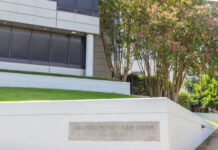
The economic implications are significant: choosing a tribute name would mean forgoing hundreds of millions of dollars in potential sponsorship revenue, a factor that affects both the team’s ownership and municipal revenue streams. The social debate centers on whether such prominent public venues should be named for political figures rather than through transparent commercial or civic processes. The situation is further complicated by separate, ongoing efforts to rename other public venues, such as the Kennedy Center, in the President’s honor.
Sources:
Trump wants Commanders’ new D.C. stadium named for him – ESPN
Trump wants Commanders’ new $3.7B stadium named in his honor: Report – TurnTo10 News