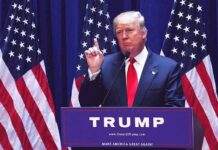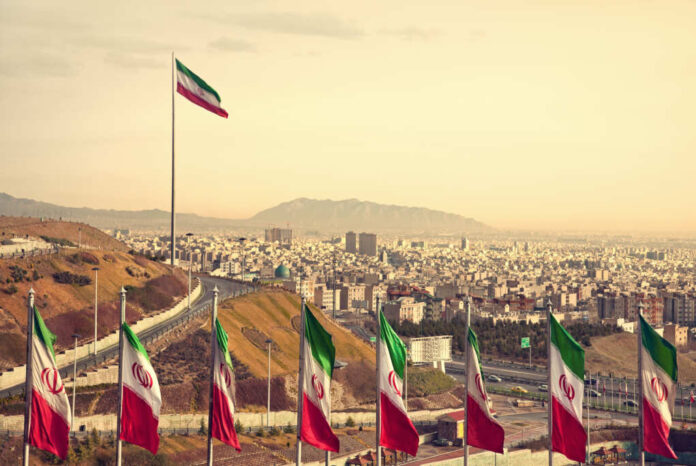
A new development in Iran threatens to escalate tensions, as President Trump vows to “act accordingly” following alarming death tolls amid the ongoing protests.
Quick Take
- President Trump imposes 25% tariffs on nations trading with Iran.
- Human Rights Activists report over 2,000 deaths in Iran protests.
- Trump urges Americans to evacuate Iran, signaling potential escalation.
- Military and economic actions under consideration by the U.S. administration.
Trump’s Economic Pressure on Iran
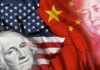
On January 12, 2026, President Donald Trump announced a 25% tariff on countries engaging in trade with Iran. This move aims to intensify economic pressure on the Iranian regime, already isolated due to its contentious policies. These tariffs are seen as a strategic effort to weaken the regime further, potentially aiding the protest movement that calls for change. The economic strain is expected to deepen Iran’s ongoing financial woes, affecting its ability to suppress internal dissent.
The tariffs are part of a broader strategy by the Trump administration to encourage regime change through economic hardship. This approach aligns with conservative values that emphasize strong measures against regimes that undermine individual liberties and threaten global stability. By leveraging economic tools, the U.S. hopes to sway the Iranian government toward reform or facilitate a transition in power.
Protests and Humanitarian Crisis
The protests in Iran, now extending across 187 cities, have resulted in over 2,000 deaths according to the Human Rights Activists News Agency. These figures highlight the severity of the unrest and the Iranian government’s brutal response. The protests began in late December 2025, fueled by longstanding grievances over economic mismanagement and political repression. Demonstrators demand sweeping changes, including the end of authoritarian rule and the establishment of a government that respects human rights.
Despite the regime’s attempts to control the narrative by accusing foreign entities of orchestrating the unrest, the protests persist, driven by genuine domestic discontent. The partial restoration of internet services on January 13 allowed new footage to emerge, showing the scale and intensity of the demonstrations. This has drawn international attention and heightened calls for action from world leaders, including President Trump.
U.S. Response and Military Options
President Trump has instructed Americans to evacuate Iran, suggesting a potentially imminent escalation. The administration is weighing military and additional economic measures, including targeted sanctions on Iran’s energy and banking sectors. These actions are intended to limit the regime’s capacity to fund its oppressive apparatus and encourage defections within its ranks.
While the administration prefers diplomatic solutions, it has not ruled out military interventions should the situation worsen. This stance reflects a commitment to protecting American interests and supporting the Iranian people’s aspirations for freedom and democracy. However, the potential for conflict remains a concern, as military actions could further destabilize the region and provoke retaliatory measures from Iran.
Sources:
Iran protests: Trump suggests Americans should leave; over 2,400 killed, group says