
President Trump is flying into South Carolina himself to save a Senate seat he helped create just weeks ago, betting his personal brand can drag Darline Graham across the finish line in a runoff many Republicans thought would be easy.
Quick Take
- Trump publicly endorsed Darline Graham on July 17, 2026, saying he personally asked her to run for the U.S. Senate seat.
- Graham thanked Trump on social media a week later, calling the endorsement an honor.
- Trump traveled to Myrtle Beach on August 21, 2026, to campaign with Graham days before her runoff against Ralph Norman.
- Republican Congressman Russell Fry endorsed Graham after what reporting describes as direct pressure from Trump.
- Research on past Trump endorsements shows mixed results, working better in low-profile races than high-visibility ones.
Trump Calls Graham Into the Race
Trump announced his support for Darline Graham on Truth Social on July 17, 2026. He wrote that he asked her “for the Good of our Nation” to run in the special Republican primary for South Carolina’s Senate seat. He gave her his “Complete and Total Endorsement”. Graham is the sister of former Senator Lindsey Graham and had recently been appointed to the seat before Trump urged her to seek a full term.
Graham responded publicly a week later. On July 24, 2026, she posted on social media that she was “deeply honored” to have Trump’s backing. News outlets reported that Trump’s call helped push Graham into the race in the first place, and that his support helped her consolidate backing from other Republicans as the primary field narrowed.
Rally Timed to the Final Stretch
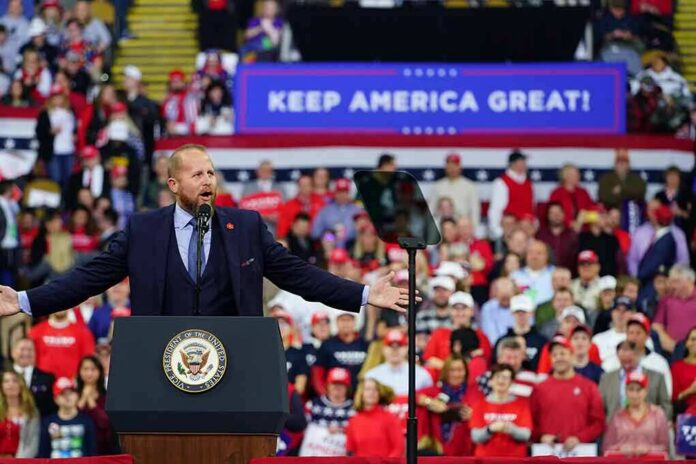
Trump scheduled a trip to Myrtle Beach for Friday, August 21, 2026, specifically to boost Graham before Tuesday’s runoff. Reporters described it as a “last-minute appeal” rather than a routine presidential visit. The Hill reported Trump would “hit the campaign trail” for Graham directly, making clear the stop was built around her candidacy, not a broader tour. Full details of what Trump said at the rally were not available at the time this reporting was compiled.
Trump’s involvement went beyond one endorsement post. The New York Times reported that Congressman Russell Fry endorsed Graham only after facing pressure from Trump. Fry said, “President Trump needs fighters and allies in the Senate who will show up every day and get results”. That kind of arm-twisting shows Trump treating the race less like a simple stamp of approval and more like a project he is actively managing.
A Republican Race Turned Into a Trump Referendum
Not every Republican fell in line. CNN reported that Trump’s entry into the race caught many in South Carolina off guard, with one description calling it a “curveball” for the state’s political class. Graham’s opponent in the runoff, Ralph Norman, has publicly questioned why Trump backed her at all, based on Associated Press reporting. That pushback shows the endorsement did not simply end the contest — it reshaped it into a fight over who truly speaks for Trump’s base.
Academic research on Trump’s past endorsements suggests the effect is not automatic. Studies of earlier campaigns found that name recognition, fundraising, and media coverage all move alongside a Trump endorsement, making it hard to isolate exactly how much his backing alone shifts votes. One survey-based study even found Trump endorsements sometimes hurt candidates in general-election settings, though effects in low-profile primary races have looked more favorable.
Why the Outcome Matters Beyond South Carolina
This runoff has become a test case for how far Trump’s influence stretches inside his own party, not just in a general election against Democrats. When a sitting president personally recruits a candidate, campaigns for her days before voting, and pressures fellow Republicans to fall in line, it raises a bigger question. Are South Carolina voters picking their next senator, or ratifying a decision Trump already made for them months earlier?
President Donald Trump is scheduled to travel to South Carolina on Friday to make a last-minute appeal for Sen. Darline Graham, his chosen candidate to replace her brother, the late Sen. Lindsey Graham, ahead of a Republican runoff next week. https://t.co/ne8nzHn8qu
— ABC Columbia (@abc_columbia) August 21, 2026
Voters across the political spectrum have grown weary of feeling like bystanders in their own elections, watching party insiders and national figures decide outcomes before ballots are even cast. Whether Graham wins or loses Tuesday, the race shows how much modern primaries now hinge on a single endorsement, rather than on the kind of grassroots debate voters say they want but rarely get from either party.
Sources:
pjmedia.com, theguardian.com, wtoc.com, nytimes.com, rollcall.com, washingtontimes.com, apnews.com