
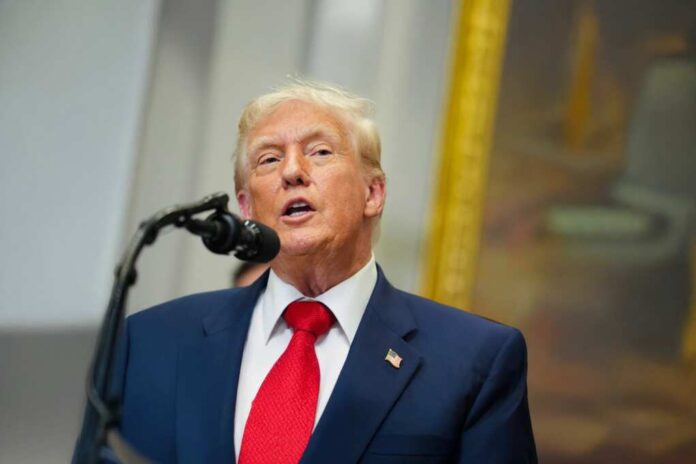
A full, unedited interview with President Trump reveals unfiltered moments omitted from the “60 Minutes” broadcast, shedding light on media transparency issues.
Story Snapshot
- The White House released a 73-minute unedited interview with Trump, exposing omitted segments.
- Trump’s demeanor in the unaired portions highlights his triumph over recent political victories.
- The release bypassed traditional media edits, prompting debates over journalistic transparency.
- The interview comes after a legal settlement between Trump and CBS/Paramount over editing disputes.
White House Releases Unedited Interview
Following a high-profile interview at Mar-a-Lago, the White House opted to release a 73-minute unedited version of President Trump’s conversation with CBS’s Norah O’Donnell, bypassing the network’s editorial gatekeeping. The interview, originally condensed to 27 minutes by CBS’s “60 Minutes,” has sparked discussions about transparency and journalistic practices. Trump’s direct communication style was evident, especially in segments where he expressed triumph over recent political and legal victories.
This move comes after a legal settlement between Trump and CBS/Paramount, emphasizing the need for full disclosure of interviews to counter perceived media biases. The release of the entire footage allows viewers to independently assess Trump’s remarks and demeanor, providing a transparent view that traditional edits might obscure.
The White House is promoting the FULL 73 interview instead of the carefully cut 27 minute interview by CBS.
The truth doesn’t need editing. Most transparent President ever.
Could Biden or Harris do that??? 👀🇺🇸 https://t.co/VbjHeUkGrM
— Ashley Hayek (@ashleyhayek) November 3, 2025
Media Scrutiny and Public Reaction
The release of the full interview has intensified scrutiny of media editing practices, with critics and supporters weighing in on the implications. Trump’s supporters view the move as a victory for transparency, reinforcing their concerns about media bias. On the other hand, CBS defended its editorial decisions, citing the need for clarity and time constraints in their broadcasts.
Historically, Trump has accused mainstream media of unfair editing, and this latest development continues that narrative. By releasing the complete footage, the White House aims to undermine traditional media’s perceived gatekeeping role, resonating with those frustrated by past media practices.
Implications for Media and Politics
The long-term implications of such releases could lead to a shift in media practices, with more politicians opting to release unedited interviews to ensure transparency. This trend could erode the traditional role of media as a gatekeeper, prompting a reevaluation of journalistic ethics and editorial judgment. For Trump, this strategy aligns with his consistent emphasis on transparency and control over his narrative, appealing to his base’s desire for unfiltered communication.
This event underscores broader trends in political media, including legal disputes over editing and the increasing role of direct-to-public content distribution. As media organizations face pressure to adapt, the public’s access to unedited content may shape future political discourse.
Sources:
jcpost.com: Trump Interview Unedited Release
CBS News: Full Transcript of Trump’s 60 Minutes Interview