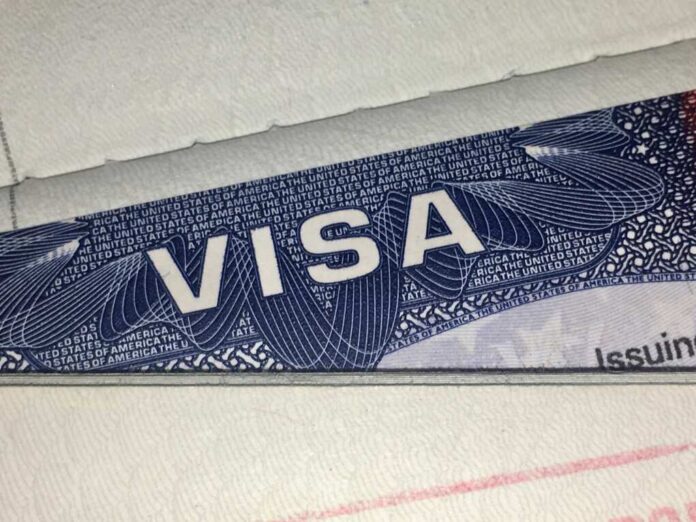
President Trump’s H1B visa fee hike faces a significant legal battle, sparking concerns over its impact on American businesses.
Story Snapshot
- The Trump administration is imposing a $100,000 fee on H1B visa applications.
- The US Chamber of Commerce has filed a lawsuit against the administration.
- The lawsuit claims the fee is unlawful and disrupts immigration law.
- The administration defends the fee as a measure to protect American jobs.
Trump Administration’s Visa Fee Hike Under Fire
The Trump administration’s decision to impose a $100,000 fee on H1B visa applications has prompted a lawsuit from the US Chamber of Commerce. This fee, seen as a significant increase, is argued to be unlawful and detrimental to American businesses that depend on global talent. The Chamber of Commerce, representing the largest business lobby, claims the fee undermines existing immigration laws and disrupts the system established by Congress.
The lawsuit highlights the economic burden this fee would place on businesses, forcing them to either absorb astronomical costs or reduce their hiring of skilled foreign workers. The administration, however, defends this move as a necessary step to prioritize American jobs for American citizens. The White House has not yet responded to the lawsuit, but the administration has previously justified the fee as an effort to curb foreign worker dependency.
Watch: US: Trump’s H-1B Visa Fee Hike Order Faces Lawsuit Amid Immigration Crackdown | Firstpost Live |N18G
Impact on American Businesses
American businesses, especially in the tech industry, rely heavily on H1B visas to recruit skilled foreign talent. The new fee could significantly impact their operational costs. Companies now face a tough decision: either pay the hefty fee or potentially lose out on valuable talent. This policy is seen as a direct challenge to their ability to compete globally, as it increases the financial burden on hiring highly-skilled employees from abroad.
Critics argue that this fee will not only deter foreign talent but also hinder innovation and growth within the US economy. By making it financially prohibitive to hire foreign experts, the policy could inadvertently stifle the competitive edge of American companies in the global market.
Constitutional Concerns and Economic Implications
The lawsuit filed by the US Chamber of Commerce raises concerns about the constitutionality of the fee hike. It argues that President Trump exceeded his authority by implementing such a drastic measure without congressional approval, thereby overriding immigration laws. This raises questions about the balance of power between the executive branch and Congress in shaping immigration policy.
The economic implications of this fee are vast, potentially affecting not only businesses but also the broader economy. By discouraging foreign talent, the policy could lead to a shortage of skilled workers, impacting various industries reliant on specialized expertise. Businesses may face increased operational costs, leading to higher prices for consumers and potentially slowing economic growth.
Sources:
https://www.bbc.com/news/articles/cm270lj46eyo
https://www.cnbc.com/2025/10/16/us-chamber-of-commerce-sues-trump-administration-over-100000-h-1b-visa-fees.html