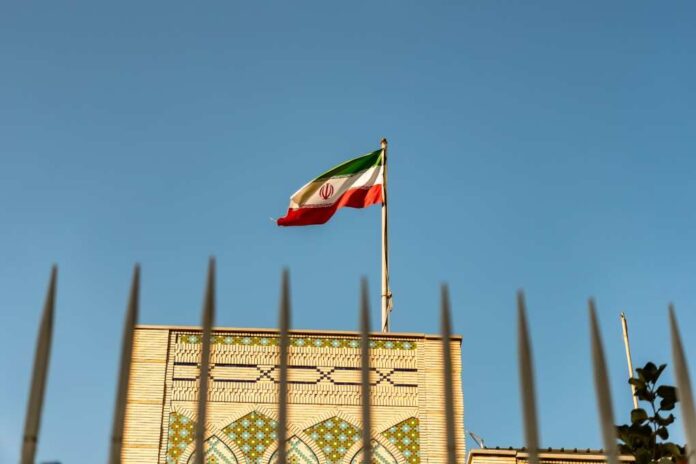
An ominous fleet of Iran-linked tankers looms ominously off the US coast, threatening national security and sparking alarm among officials.
Story Highlights
- Iran-linked tankers are operating unusually close to US waters, raising concerns of sanctions evasion.
- These tankers, often part of the “shadow fleet,” are poorly insured and pose safety risks.
- The presence of these tankers is part of a broader pattern of maritime confrontation between Iran and the US.
- Experts warn that the shadow fleet is expanding, challenging existing sanctions frameworks.
Iranian Tankers Near US Shores: A Growing Concern
In a concerning development, a cluster of oil tankers linked to Iran has been observed operating near the US coastline, particularly in the Gulf of Mexico and off the East Coast. These tankers, beneficially owned or controlled by Iranian interests, have raised alarms due to their potential role in evading US sanctions. Many of these vessels are part of what is known as the “shadow fleet,” a group of older, poorly insured tankers that operate under opaque ownership structures, often evading traditional regulatory frameworks.
The presence of Iran-linked tankers so close to US shores is part of a broader pattern of maritime confrontation that has intensified in recent years. This pattern includes tit-for-tat ship seizures and a series of geopolitical maneuvers tied to Iran’s strategic interests. Analysts suggest that these vessels may be involved in transporting Venezuelan or Russian crude, using Iranian networks to bypass US restrictions. This not only undermines the effectiveness of the sanctions but also poses a significant policy risk.
'SHADOW FLEET'
STALKS AMERICA
EXCLUSIVE
Ominous fleet of Iranian-linked tankers off US coast sparks alarm about Trump's widening war pic.twitter.com/w4GwCOtG4X— Simo Saadi🇺🇸🇲🇦 (@Simo7809957085) December 12, 2025
Risks from the Shadow Fleet
The shadow fleet, characterized by its clandestine operations and regulatory evasion, presents several risks. These include potential environmental hazards from older, poorly maintained tankers operating near sensitive US coastal waters. The risk of spills or accidents is heightened, raising concerns for maritime safety agencies and the US Coast Guard. Additionally, the presence of such tankers near US shores could be a strategic move by Iran to leverage political influence or retaliate against US policies.
US officials have repeatedly expressed concerns about these sanctions evasion networks moving closer to American shores. The incremental regulatory response, including new vessel designations and guidance to insurers, has so far failed to provide a comprehensive solution to this evolving threat. The ongoing expansion of the shadow fleet across the Atlantic basin, including near American waters, continues to test enforcement mechanisms and regulatory frameworks.
Implications for US Policy and Security
The effective movement of Iranian oil via near-US routes erodes the deterrence value of existing sanctions, potentially emboldening other actors to exploit similar loopholes. This situation complicates the US’s ability to enforce its sanctions regime effectively and maintain maritime security. The presence of these tankers also poses a risk of tactical escalation, where any US interdiction near its waters or retaliatory Iranian action could escalate into broader maritime confrontation.
In the long term, the entrenchment of the shadow fleet could lead to the normalization of a parallel shipping system. This dual maritime system would consist of compliant, insured tankers and a large gray network that transports sanctioned oil with minimal oversight. Such a development would diminish the leverage of unilateral sanctions and pressure the US to seek broader coalitions or alternative tools to maintain its foreign policy objectives.
Sources:
Ominous fleet of Iran-linked tankers off US coast spark alarm